
 Open
Never built
Palace of Soviets
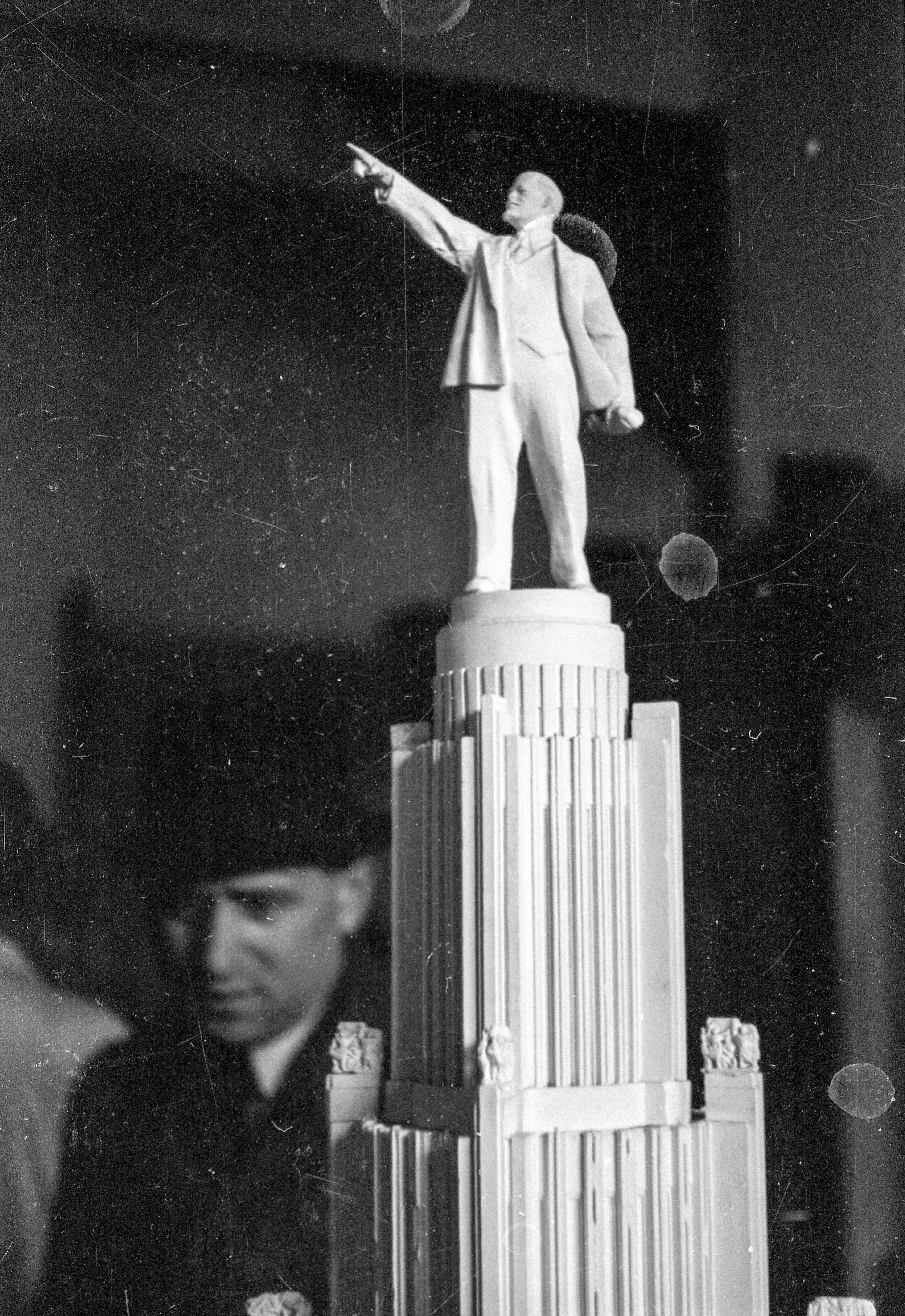
The tallest building in the world as designed in the 1930s, with a 100 metre Lenin on top. Construction began on the site of the Cathedral of Christ the Saviour but was never finished. The skyscrapers became its younger sisters.
Then and now
Model of the Palace of Soviets © Fortepan, Berkó Pál, CC BY-SA 3.0
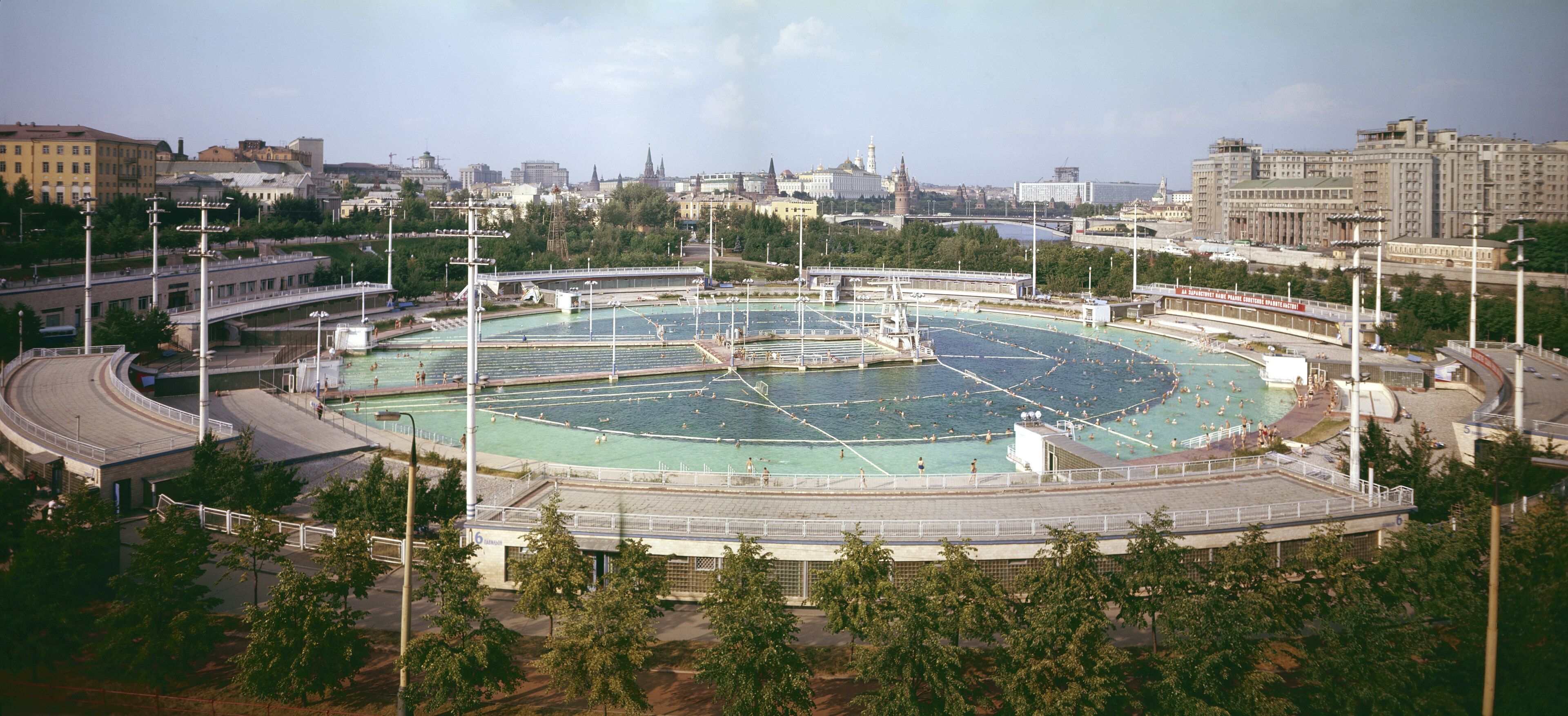
The Moskva pool on the site of the Palace of Soviets © РИА Новости / Лев Устинов, CC BY 4.0
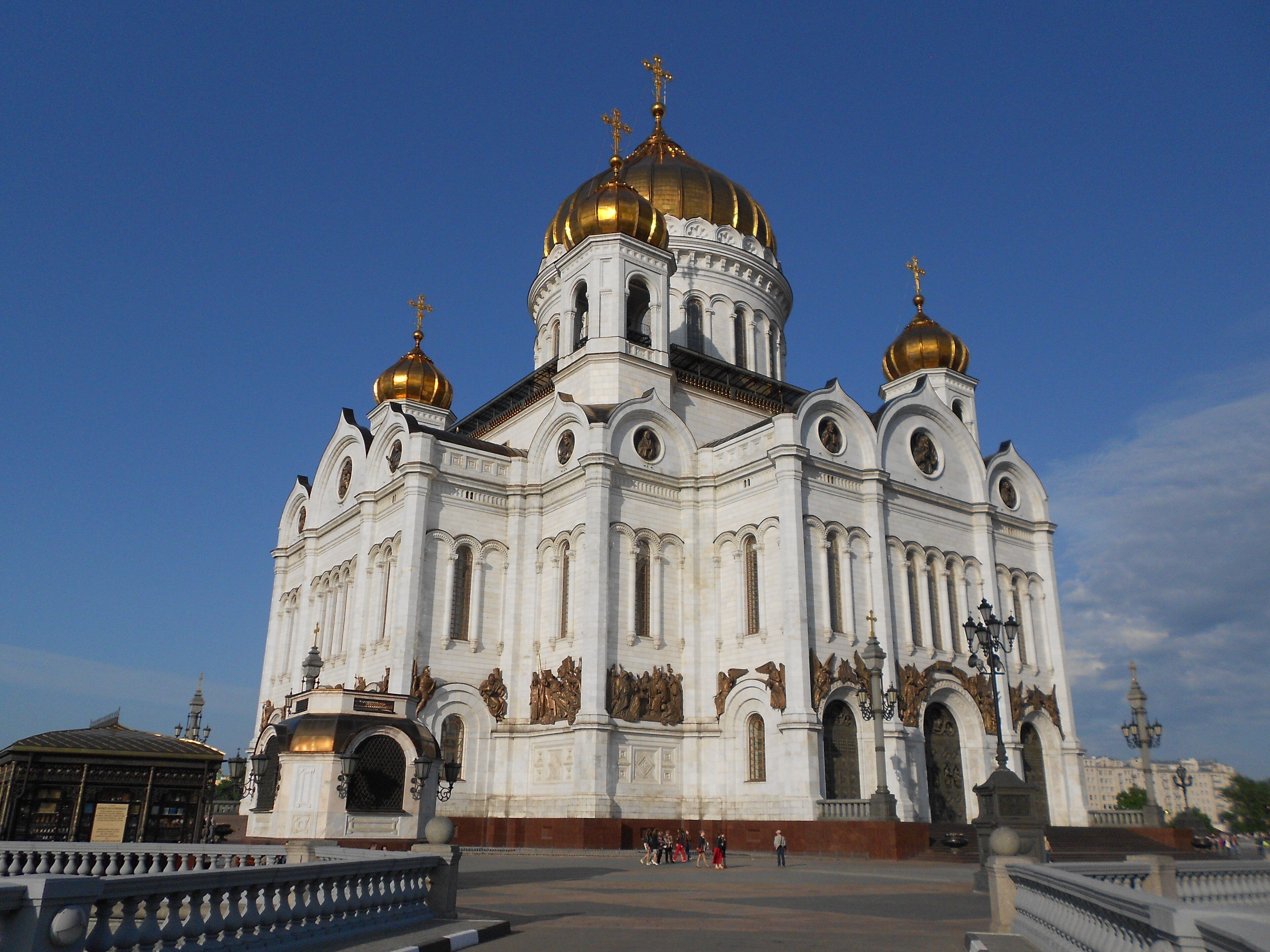
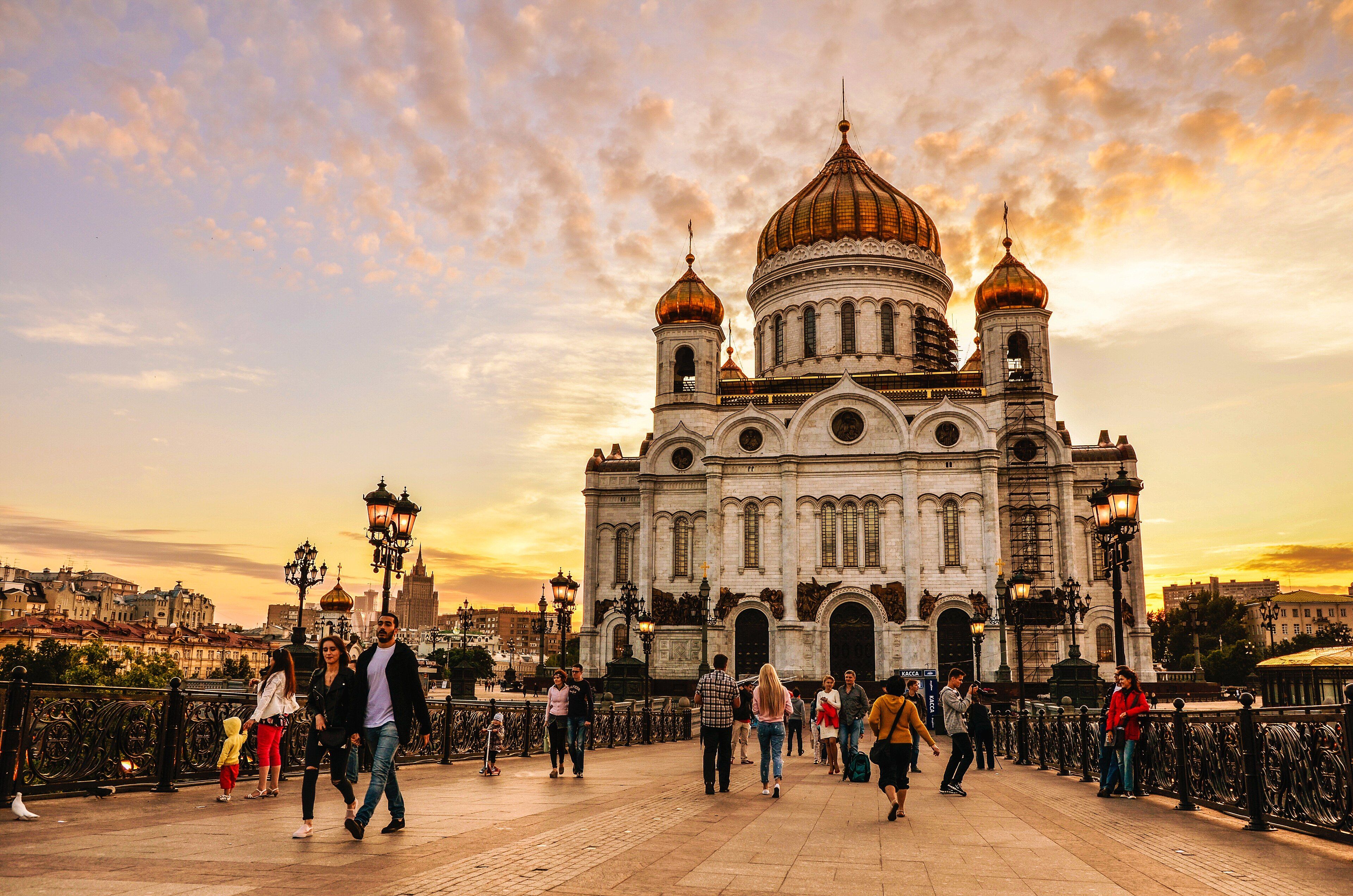
The Cathedral of Christ the Saviour today © Климентьев Александр, CC BY-SA 4.0
At a glance
- What is on the site now
- The Cathedral of Christ the Saviour, rebuilt in the 1990s
- What remains
- Nothing of the palace itself. Its shape lives on in the seven Stalinist skyscrapers
- Architects
- Boris Iofan, Vladimir Shchuko and Vladimir Gelfreikh
History
The idea of building the country’s main building appeared in the 1920s. In 1931 an international competition was announced, with entries from Le Corbusier and Walter Gropius among others. Boris Iofan’s design won.
The site chosen was on the bank of the Moskva River by the Kremlin. In December 1931 the Cathedral of Christ the Saviour, built to commemorate victory in the war of 1812, was blown up here.
The design was changed several times and ended up as a huge stepped tower 415 metres tall. It was crowned by a statue of Lenin about 100 metres high. The palace was to be the tallest building in the world.
© Fortepan, Berkó Pál, CC BY-SA 3.0Construction began in 1937. The foundation was finished and the steel frame begun, but in 1941 the war broke out. The frame’s metal was taken apart and used for defence and bridges.
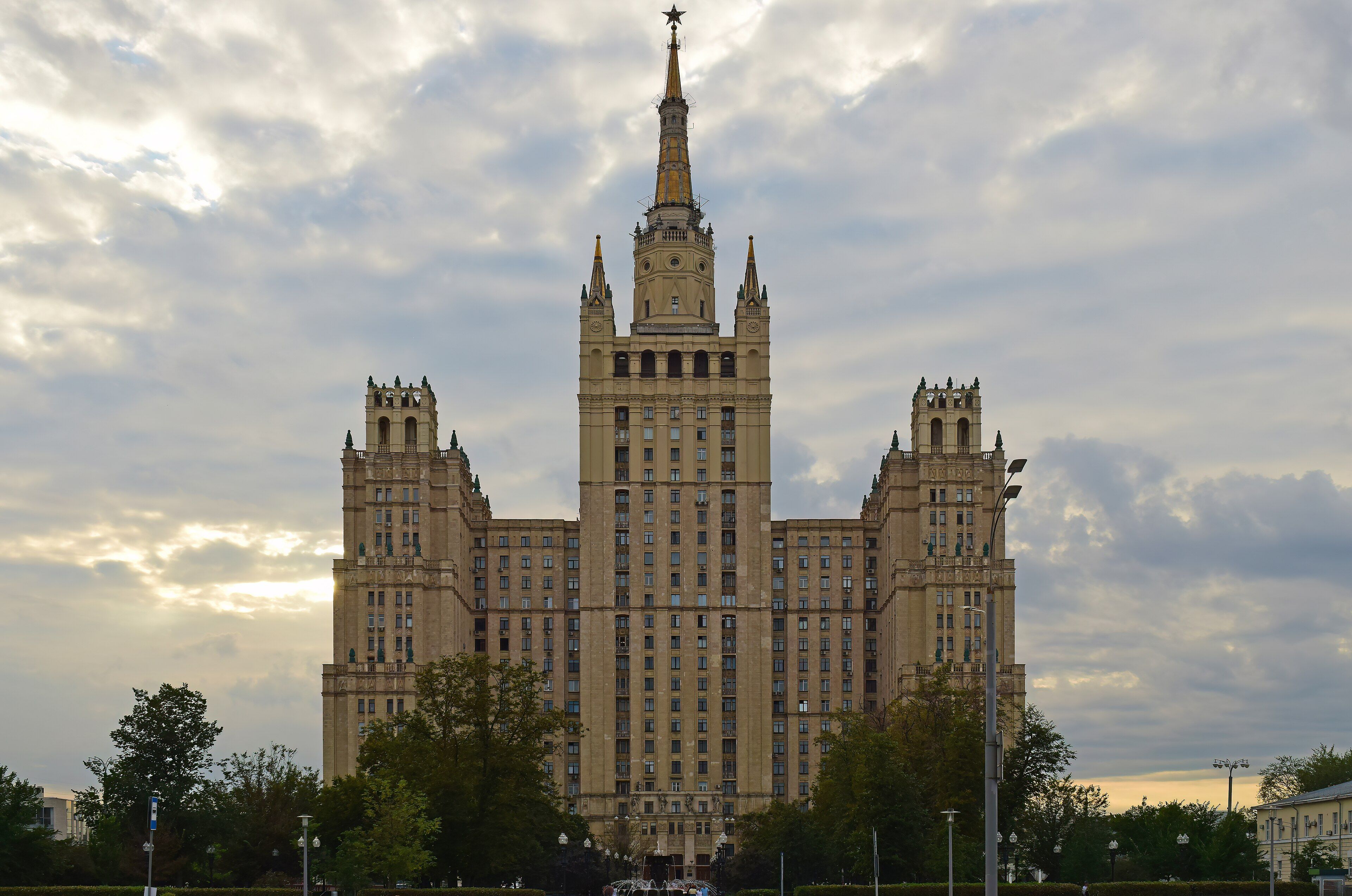
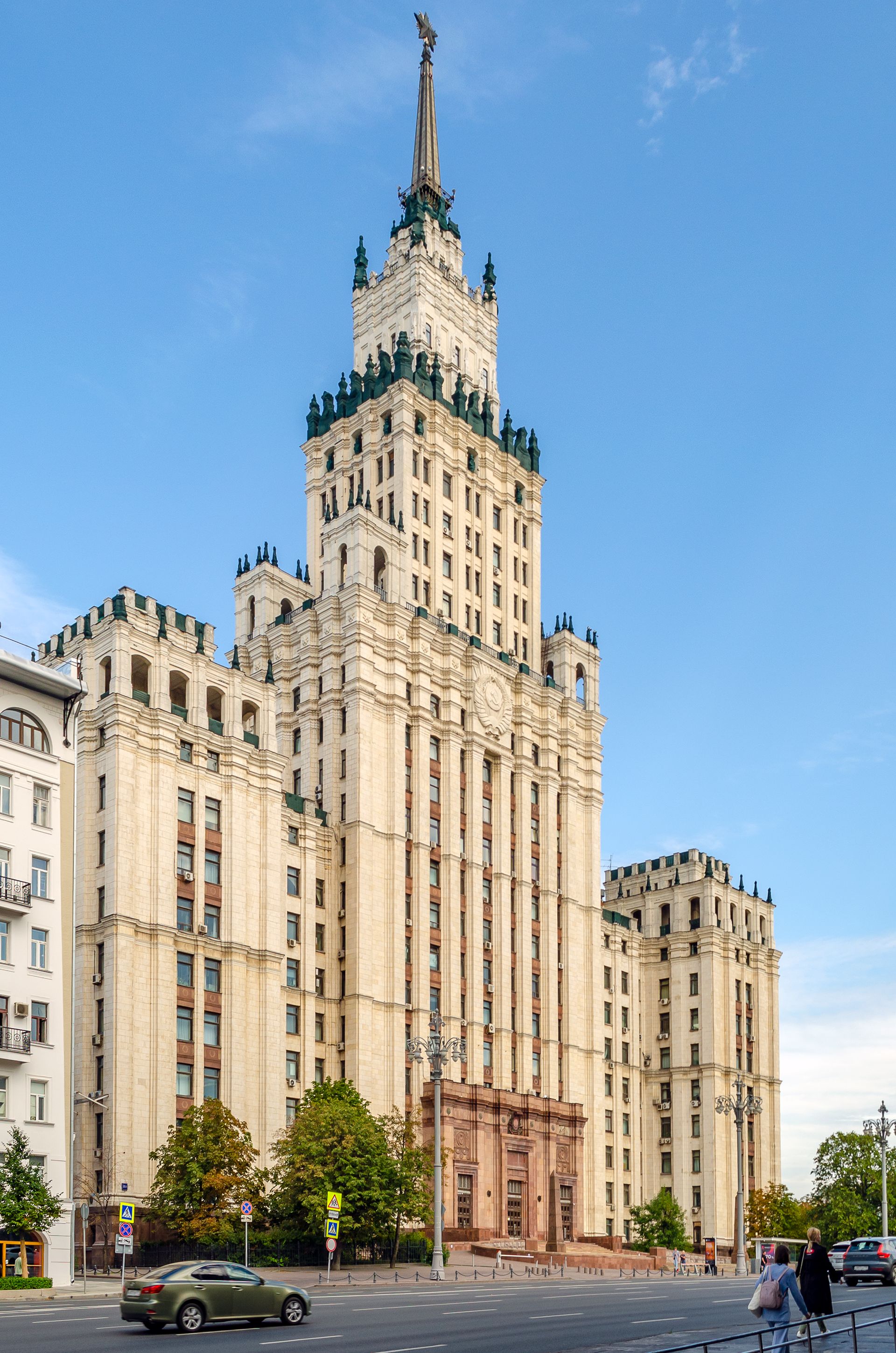
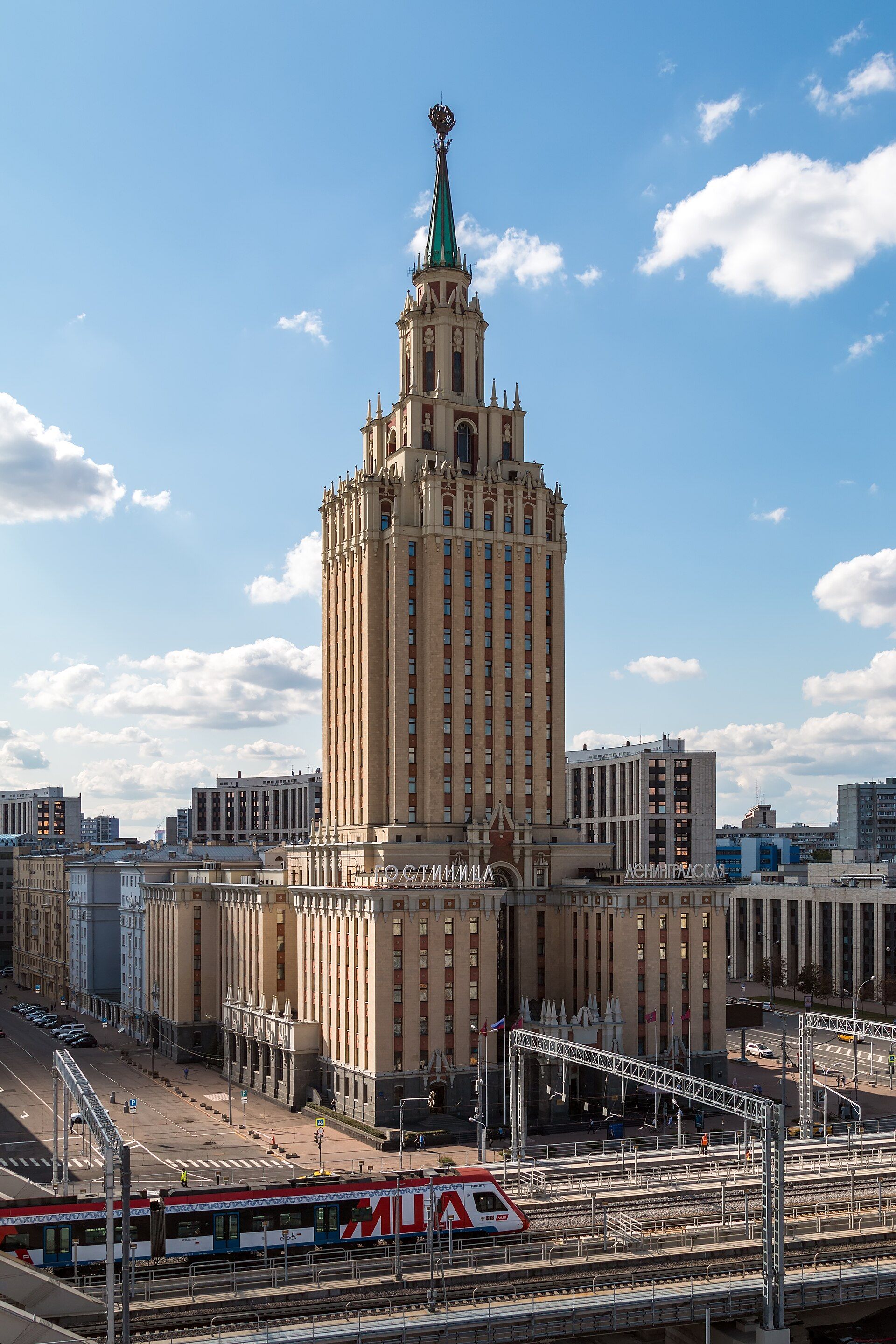
After the war the project was never resumed. But the idea of a tiered tower with a spire passed to the seven skyscrapers begun in 1947. That is why the Palace of Soviets is called their elder brother who was never born.
In 1960 a huge open-air swimming pool, the Moskva, opened in the foundation pit. It operated until 1994, and then the Cathedral of Christ the Saviour was rebuilt on its site.
Architecture and numbers
The design consisted of several cylindrical tiers that grew smaller towards the top, like a wedding cake. Inside, a Great Hall for 21,000 people under a huge dome and a Small Hall for 6,000 were planned.
415 mdesign height
100 mheight of the Lenin statue
1931year the Cathedral of Christ the Saviour was demolished
1960year the Moskva pool opened on the site
What is on the site now
Open
Closed
The Moskva swimming pool
A huge open-air pool with heated water operated all year round from 1960 to 1994. In winter clouds of steam rose above it. Today only photographs remain.
People behind the project
Boris Iofan
Chief architect
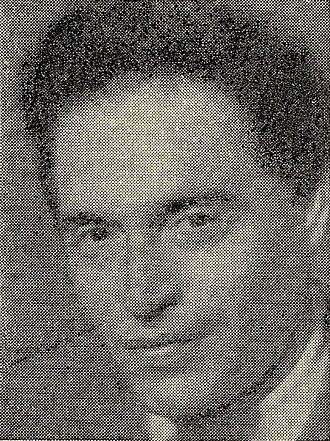
Winner of the Palace of Soviets competition and author of the House on the Embankment. His design with a stepped tower became the model for all seven skyscrapers.
Vladimir Shchuko
Architect
Co-author of the Palace of Soviets and the Lenin Library. Together with Gelfreikh he developed Iofan’s design.
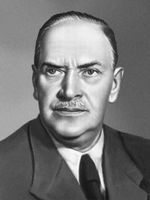
Vladimir Gelfreikh
Architect
Co-author of the palace, who later built the Foreign Ministry skyscraper on Smolenskaya Square.
Legends
Lenin in the clouds
A 100 metre statue of Lenin was to stand on top of the tower. Critics of the project said that for most of the year the leader’s head would be hidden in the clouds.
A cursed place
Muscovites have long said that the site of the demolished cathedral is cursed. The palace was never built, and strange incidents supposedly happened at the Moskva pool. A documentary was even made about these tales.
Where to take photos
The palace does not exist, but the place where it was to stand can be seen from several beautiful spots.

Patriarshy Bridge
From the bridge you see the whole Cathedral of Christ the Saviour with the Kremlin behind it. This is the easiest place to imagine the scale of the palace that never was.
Where to stay nearby
The cathedral is in the very centre of Moscow, with many hotels of every level around it.
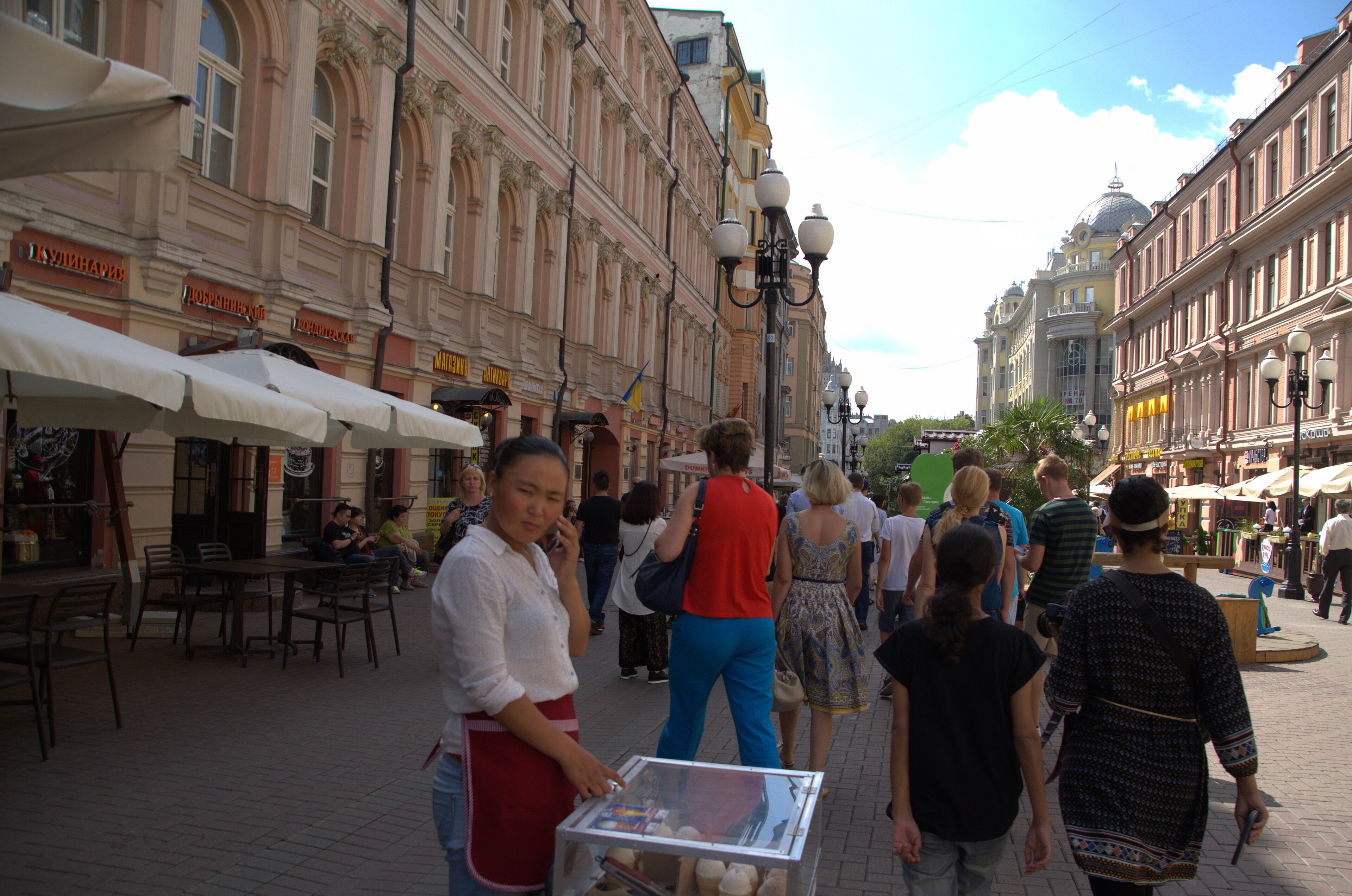
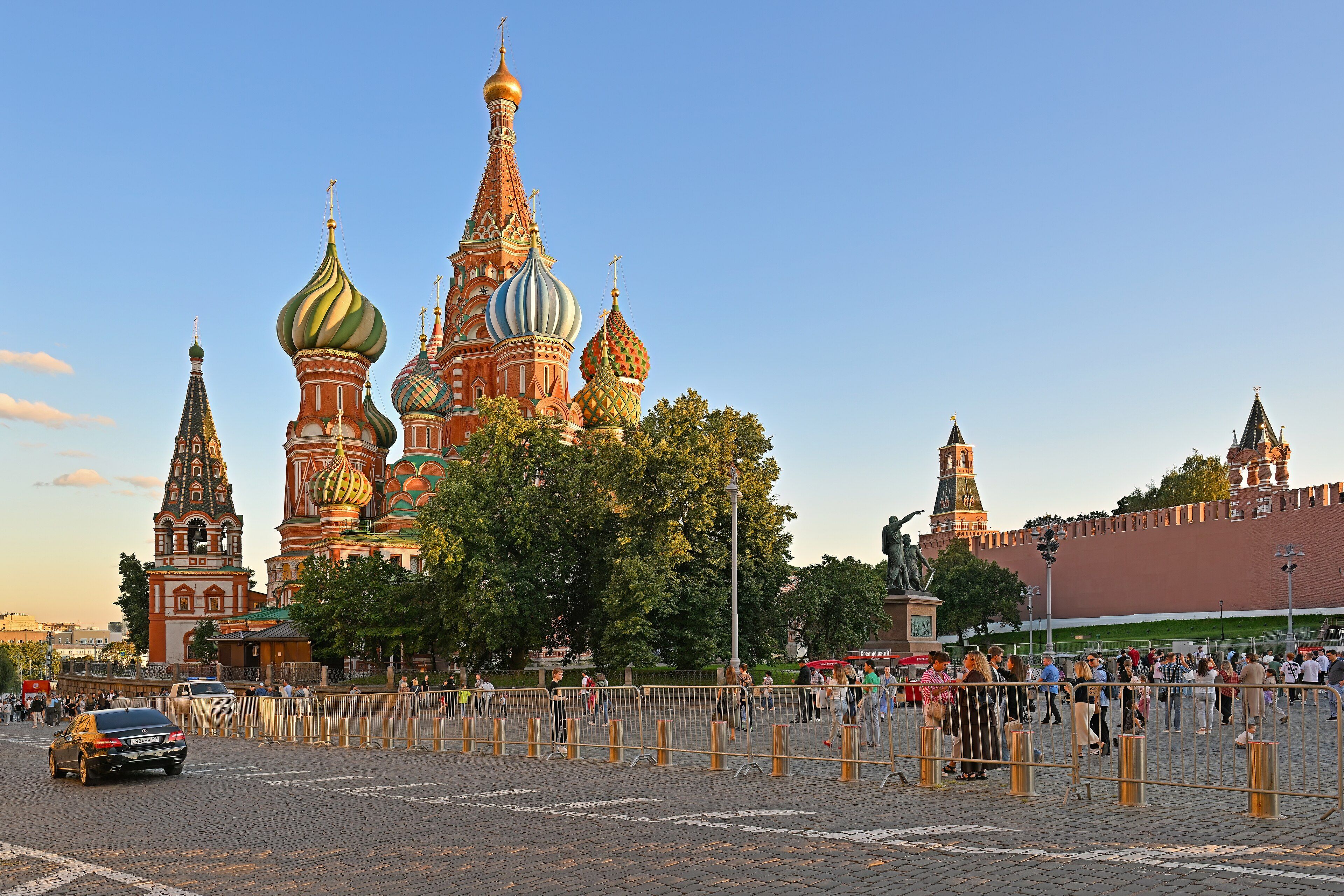
Hotels near the Kremlin
The very centre of the city, a 15 minute walk away.
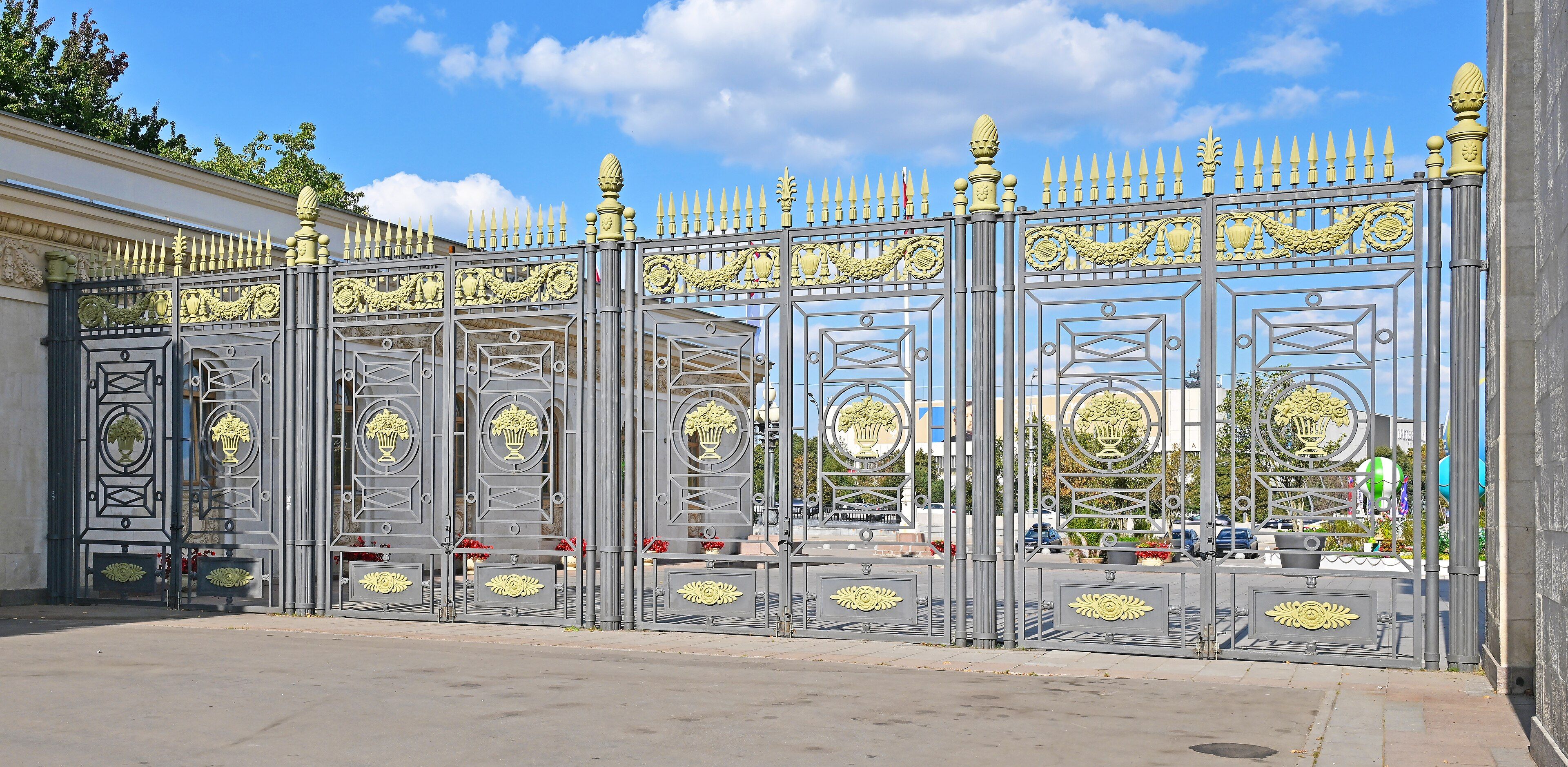
Hotels in Khamovniki
Ostozhenka and Prechistenka, with quiet lanes near the cathedral.
What to see nearby
Walking times are from the cathedral.
Map
The map loads when you tap the button. This keeps the page fast.
Address
Russia, Moscow, Volkhonka Street 15, Cathedral of Christ the Saviour
Getting there by metro
1Kropotkinskayaabout 2 minutes
Metro line 1 (red).
- Leave the metro towards the Cathedral of Christ the Saviour.
- You will see the cathedral right away, across Volkhonka Street.
Other Moscow skyscrapers
1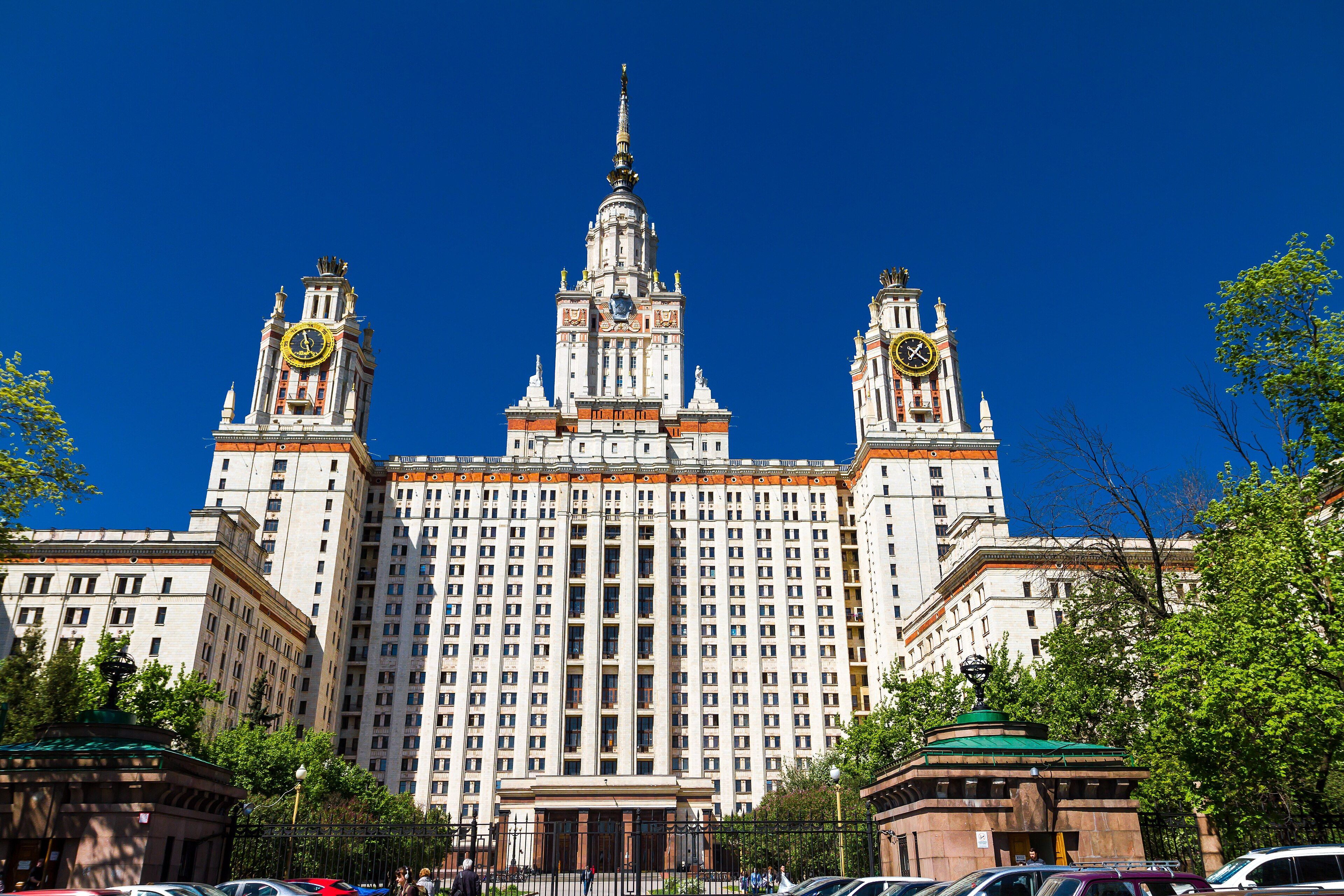 Moscow State University Main Building
2
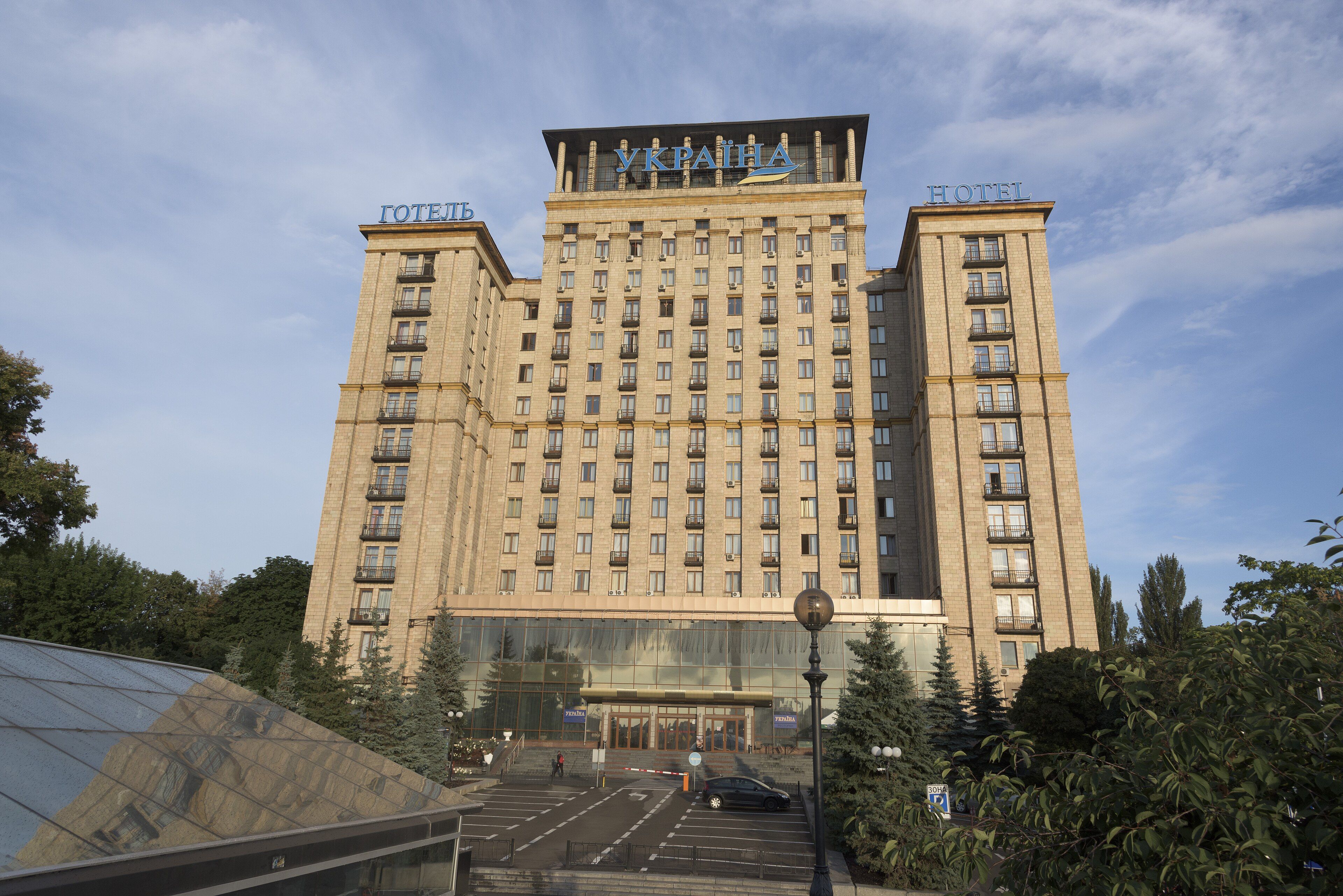
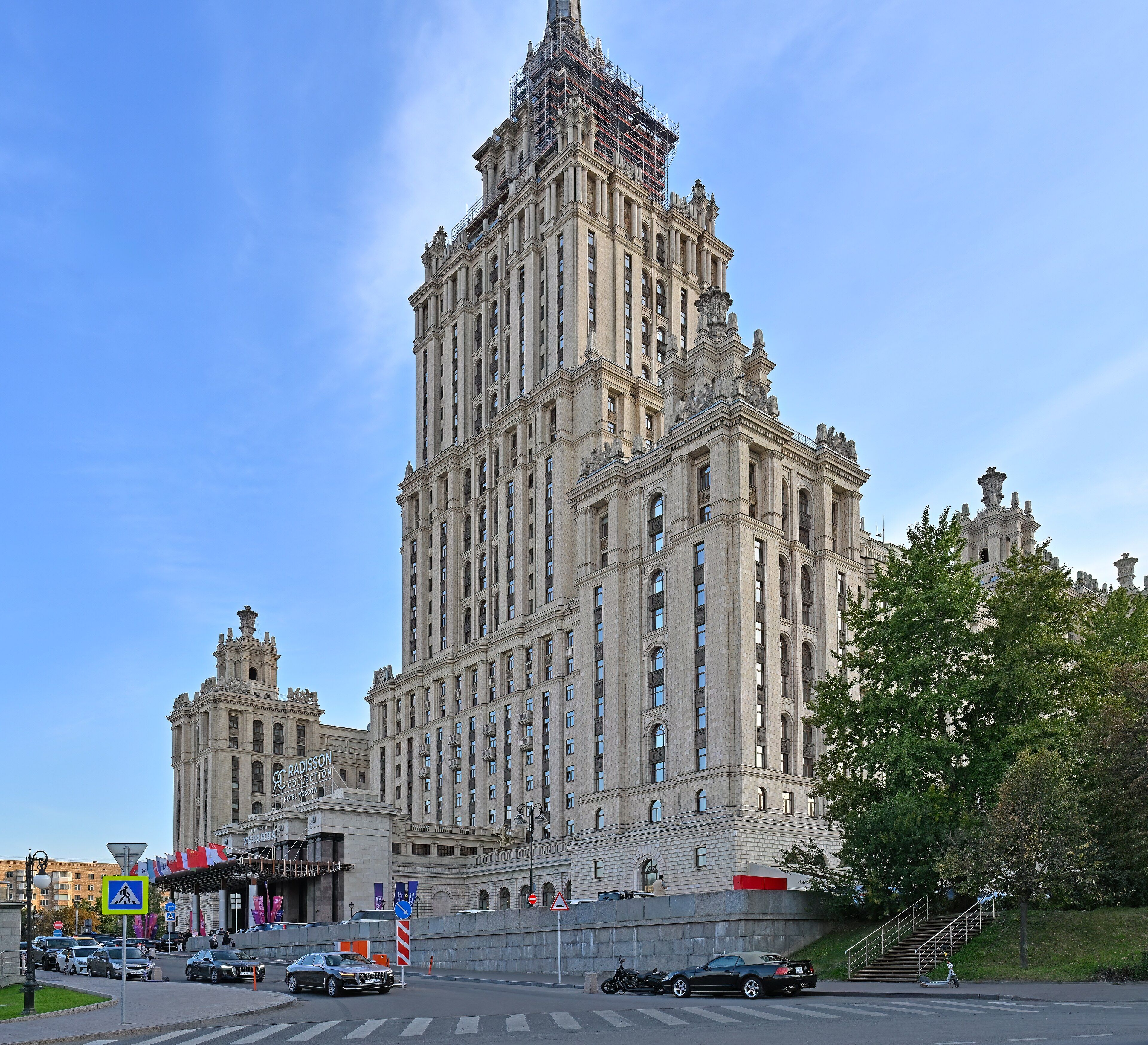 Hotel Ukraina
3
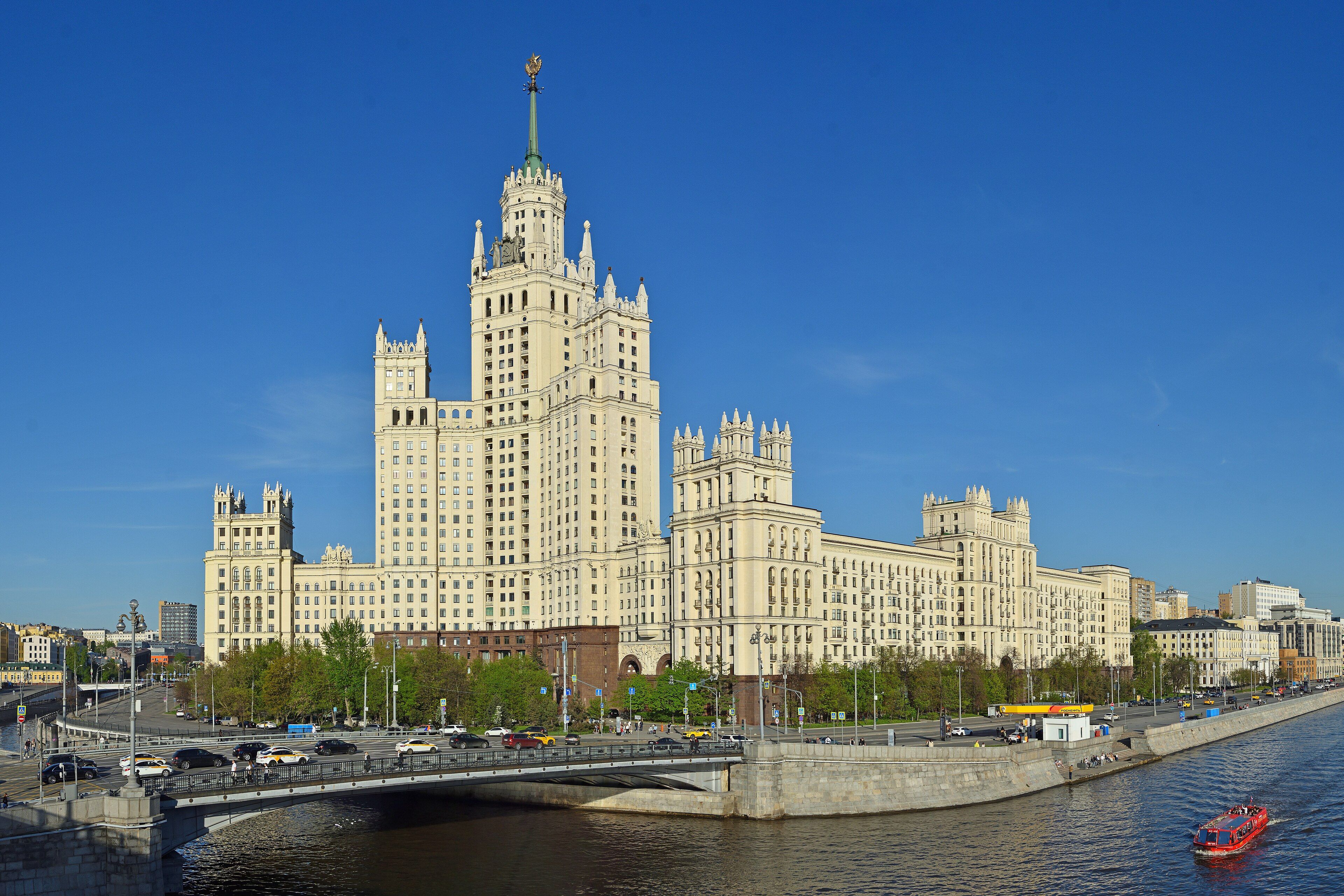 Kotelnicheskaya Embankment Building
4
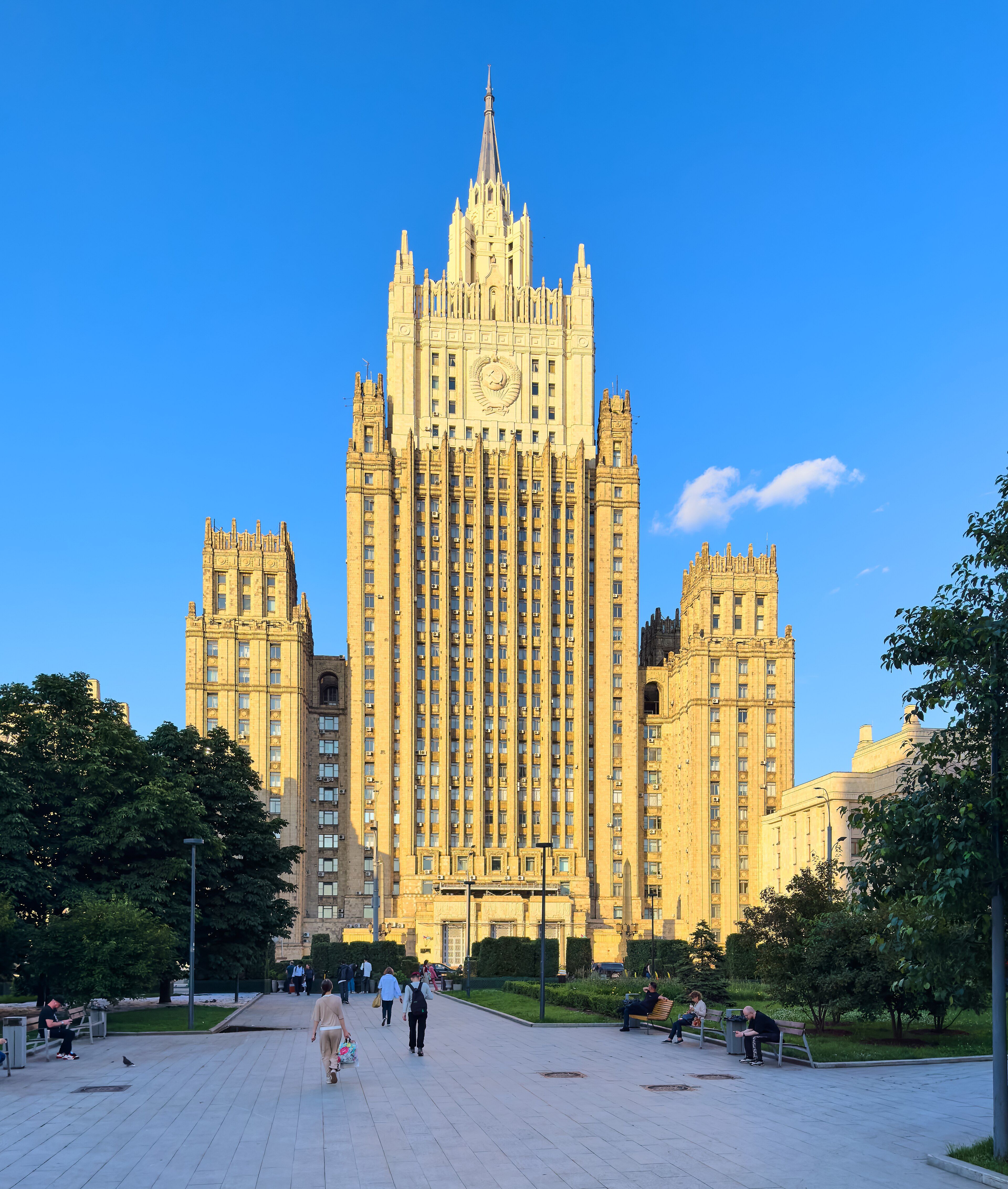 Ministry of Foreign Affairs Building
5
 Kudrinskaya Square Building
6
 Red Gates Building
7
 Hotel Leningradskaya
Moscow State University Main Building
2
Hotel Ukraina
3
Kotelnicheskaya Embankment Building
4
Ministry of Foreign Affairs Building
5
Kudrinskaya Square Building
6
Red Gates Building
7
Hotel Leningradskaya
Never built
More “sisters”
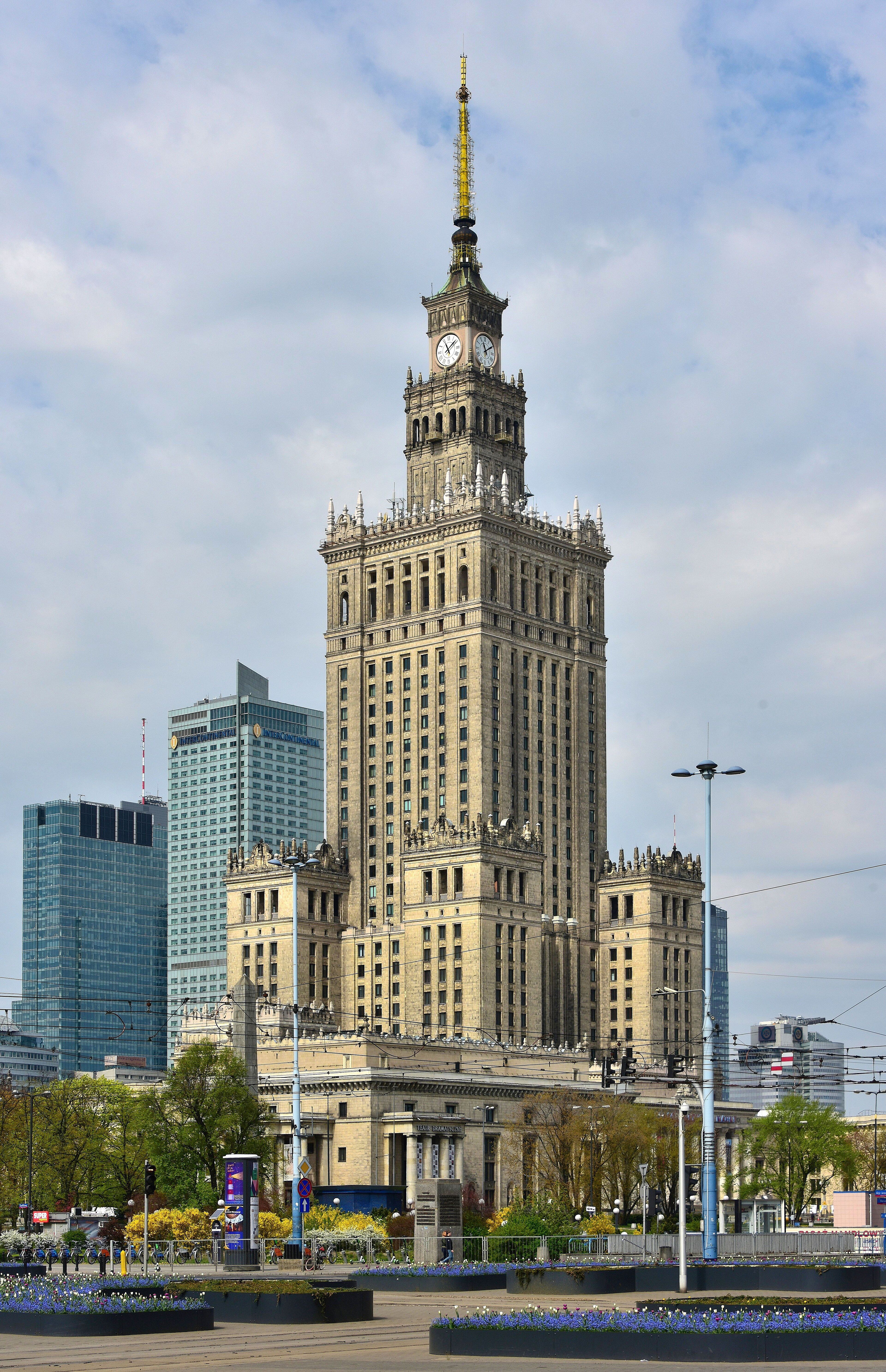
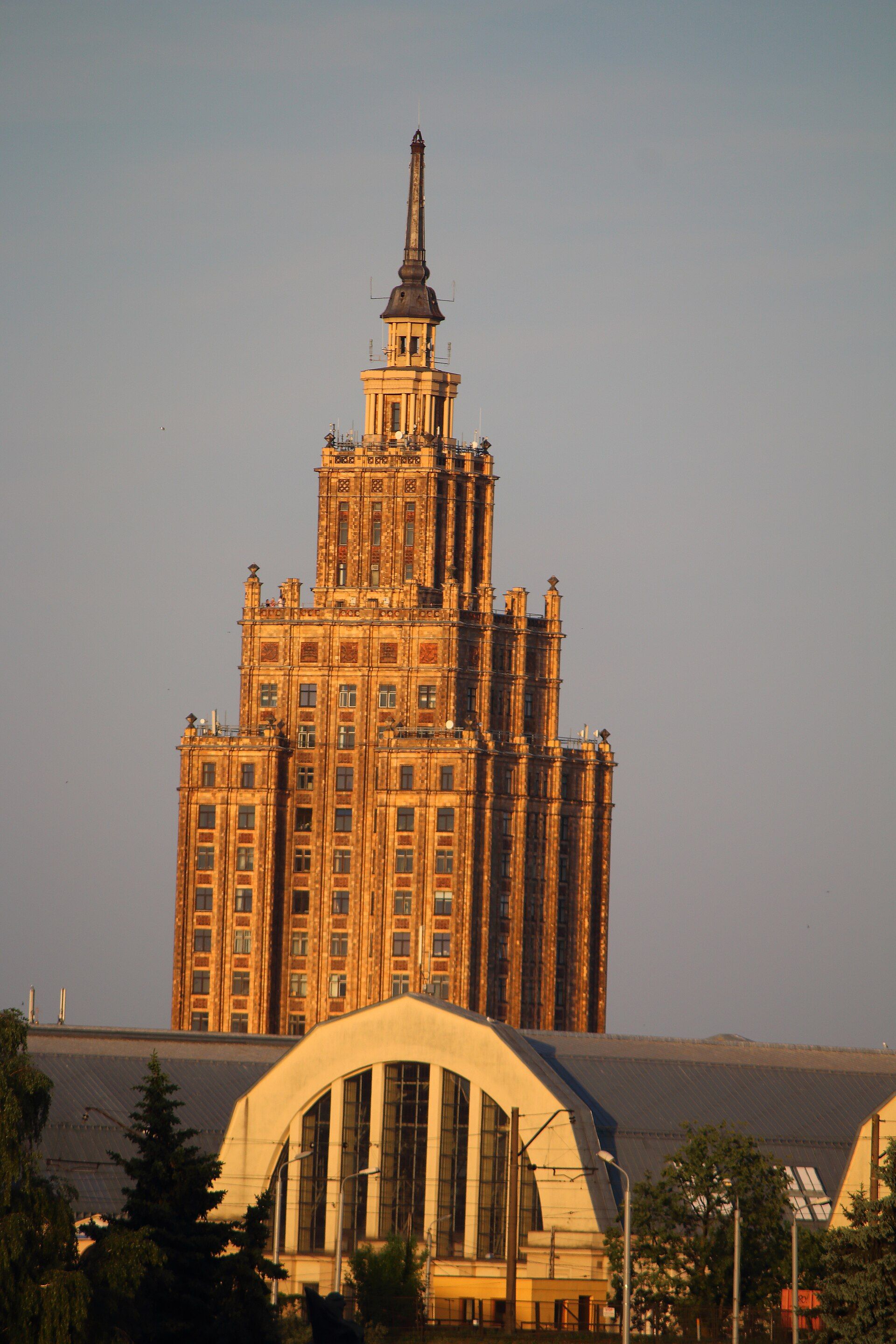
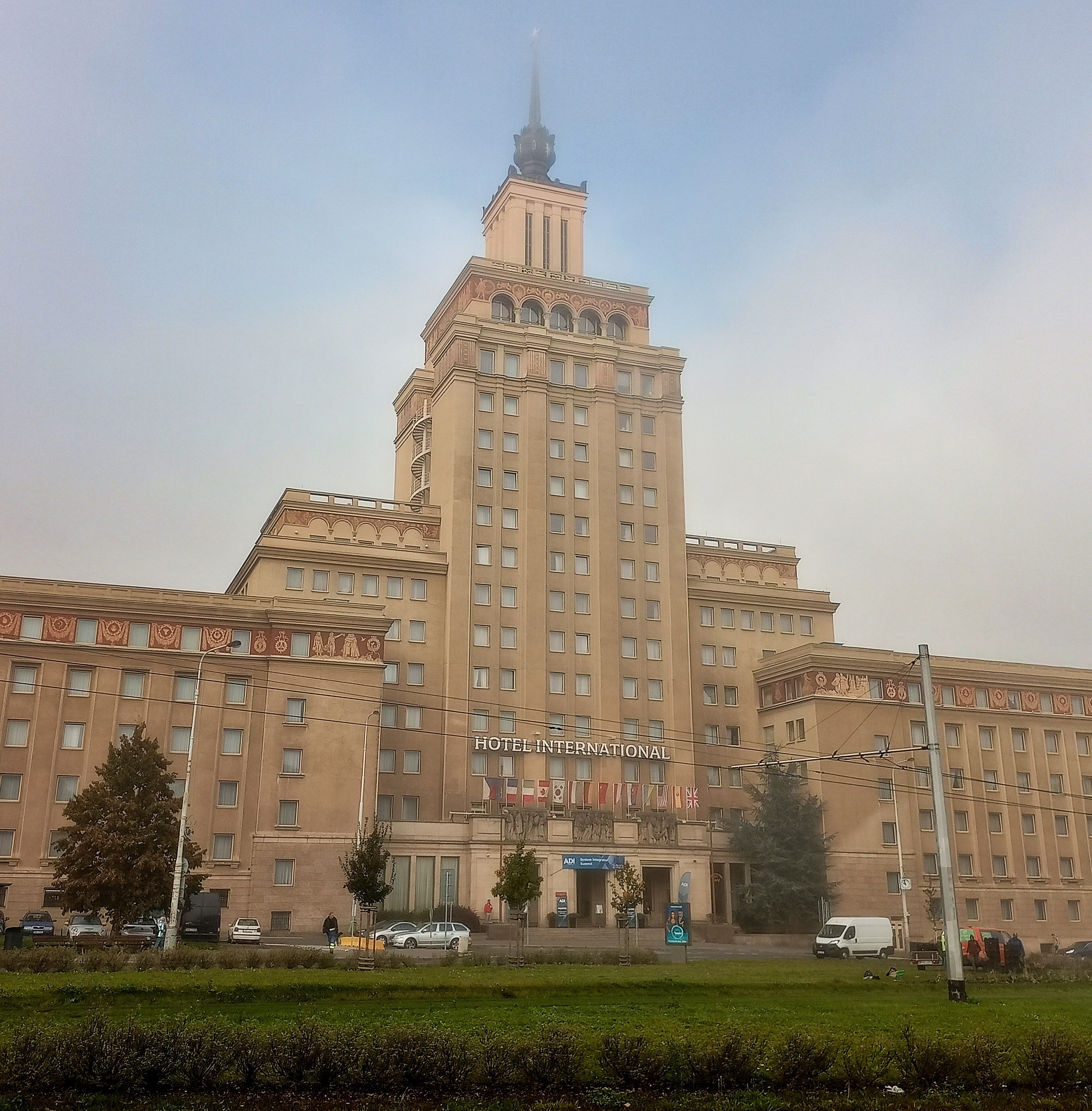
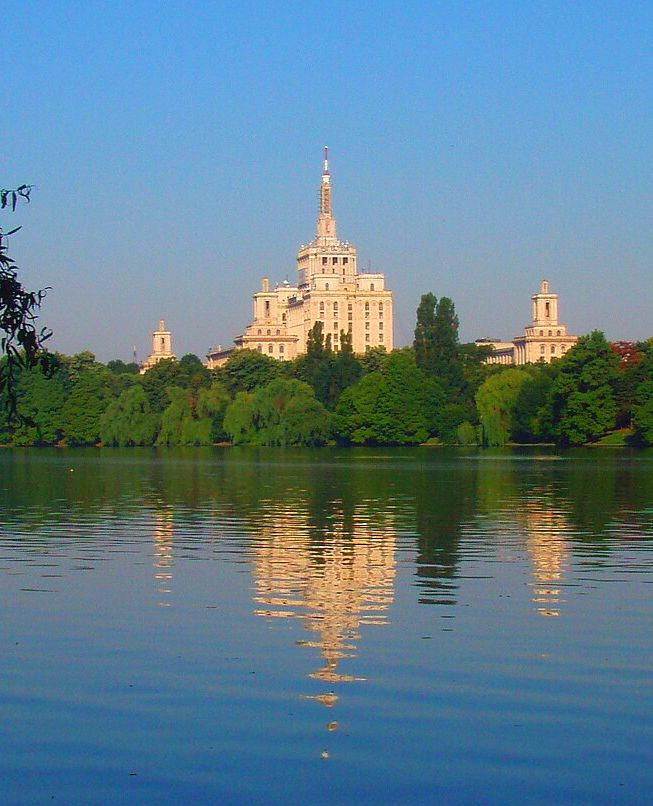
FAQ
Why was the Palace of Soviets never built?
Construction was stopped by the war in 1941, and the frame’s metal went to defence. After the war the project was never resumed, and the effort went into the seven skyscrapers instead.
What is on the site of the Palace of Soviets now?
The Cathedral of Christ the Saviour. Before it, from 1960 to 1994, the open-air Moskva swimming pool operated here.
How tall was the Palace of Soviets meant to be?
415 metres, including a Lenin statue about 100 metres tall. It would have been the tallest building in the world.
How is the Palace of Soviets connected to the Stalinist skyscrapers?
The skyscrapers repeat the idea of a stepped tower first conceived for the Palace of Soviets. They were begun after the war, when the palace itself had been abandoned.
Who designed the Palace of Soviets?
Boris Iofan, who won the competition, together with Vladimir Shchuko and Vladimir Gelfreikh.