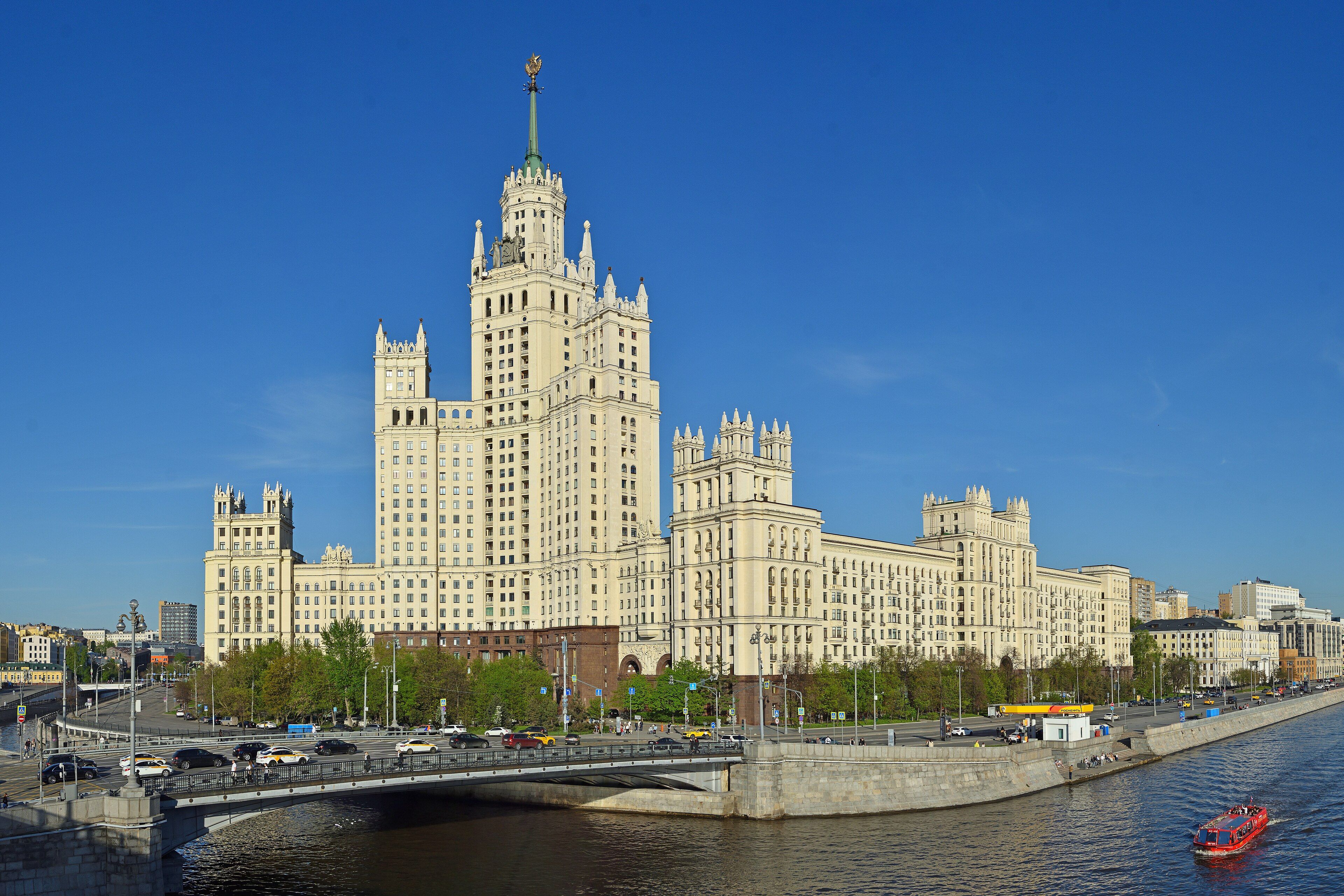
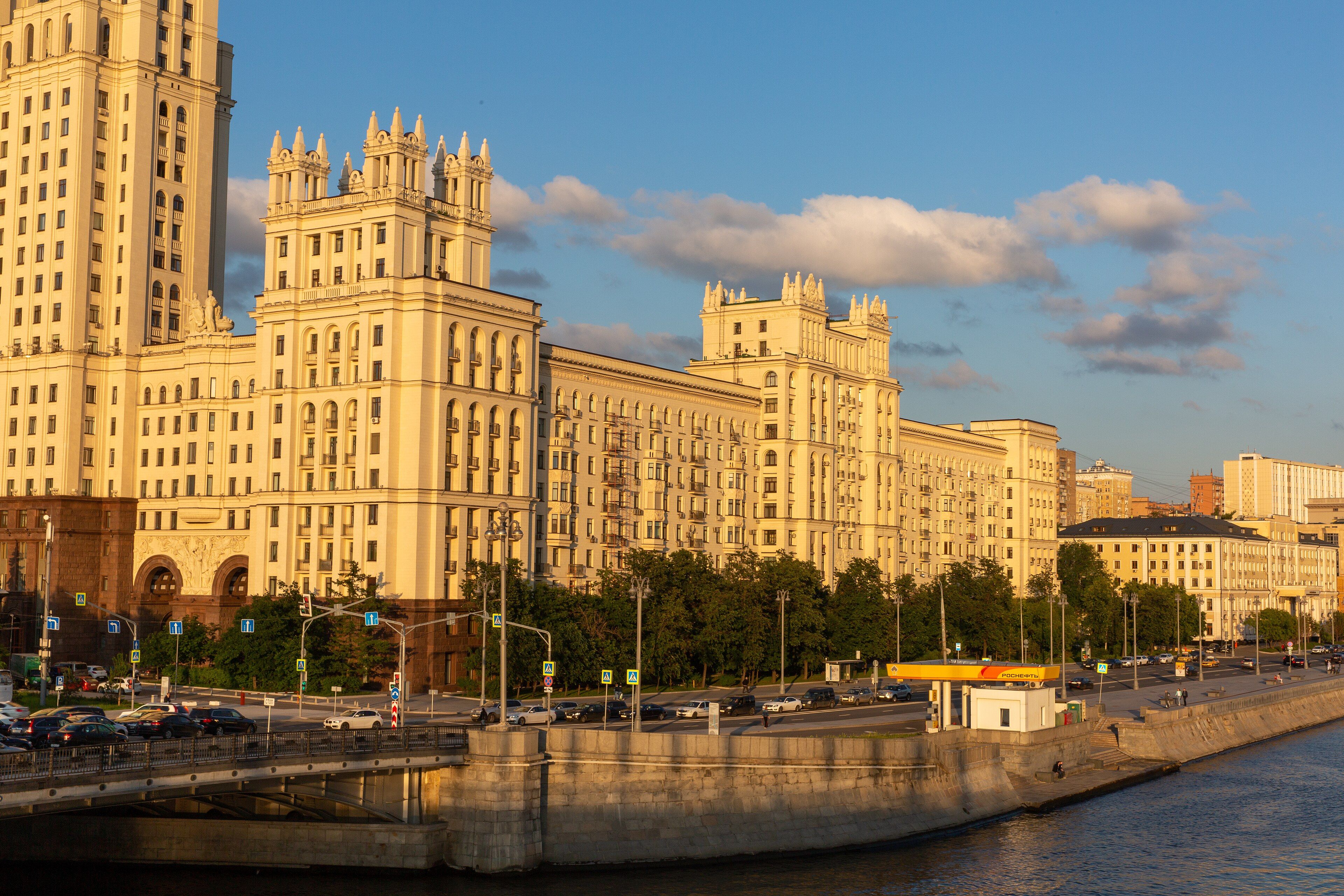
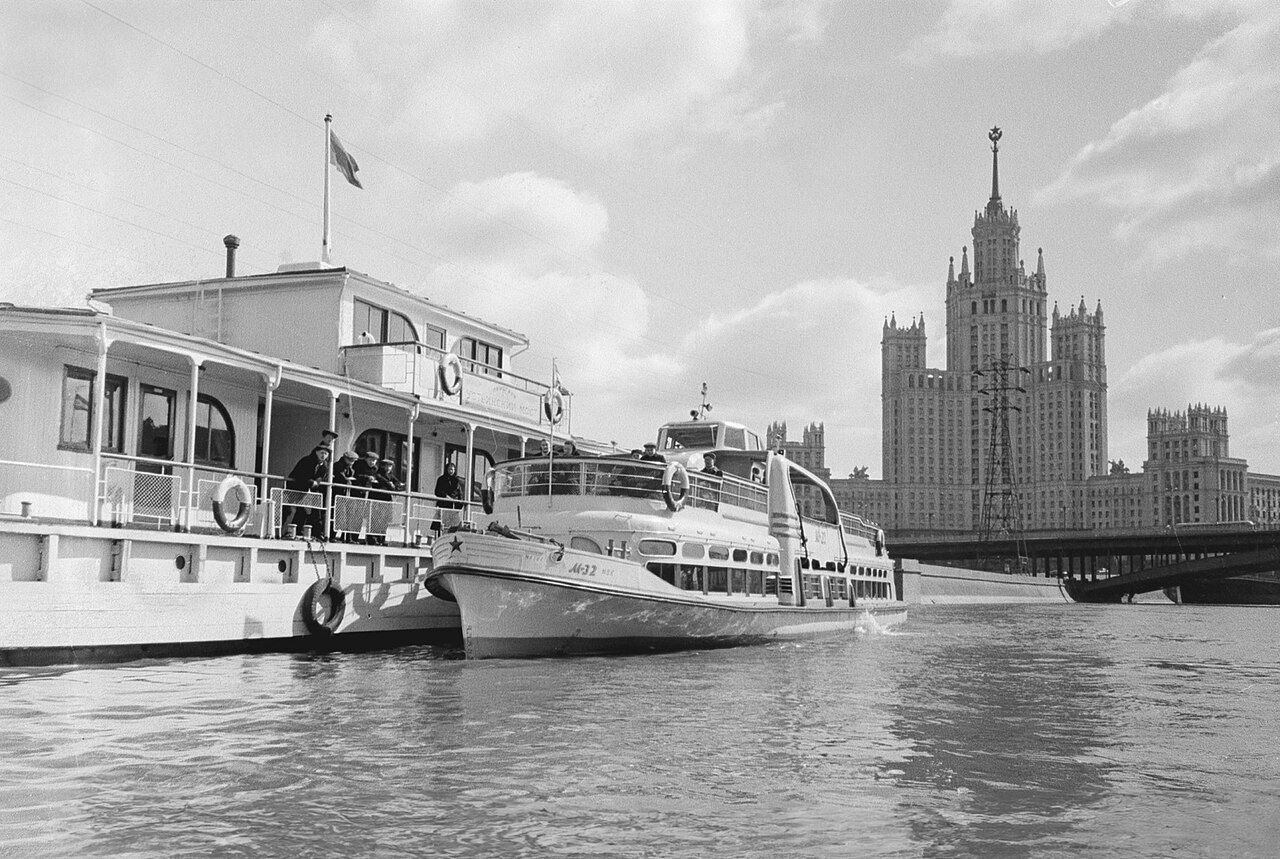
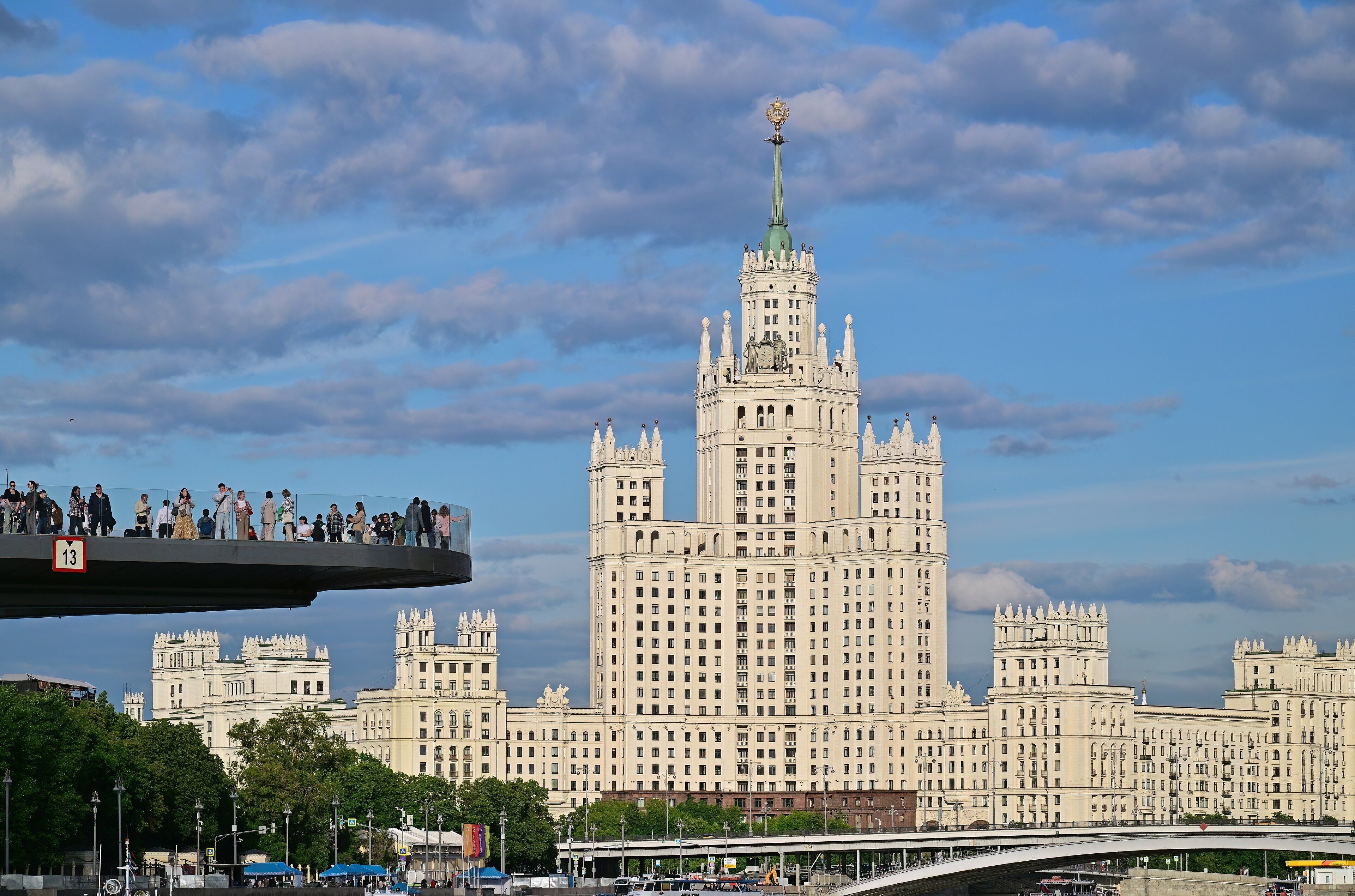
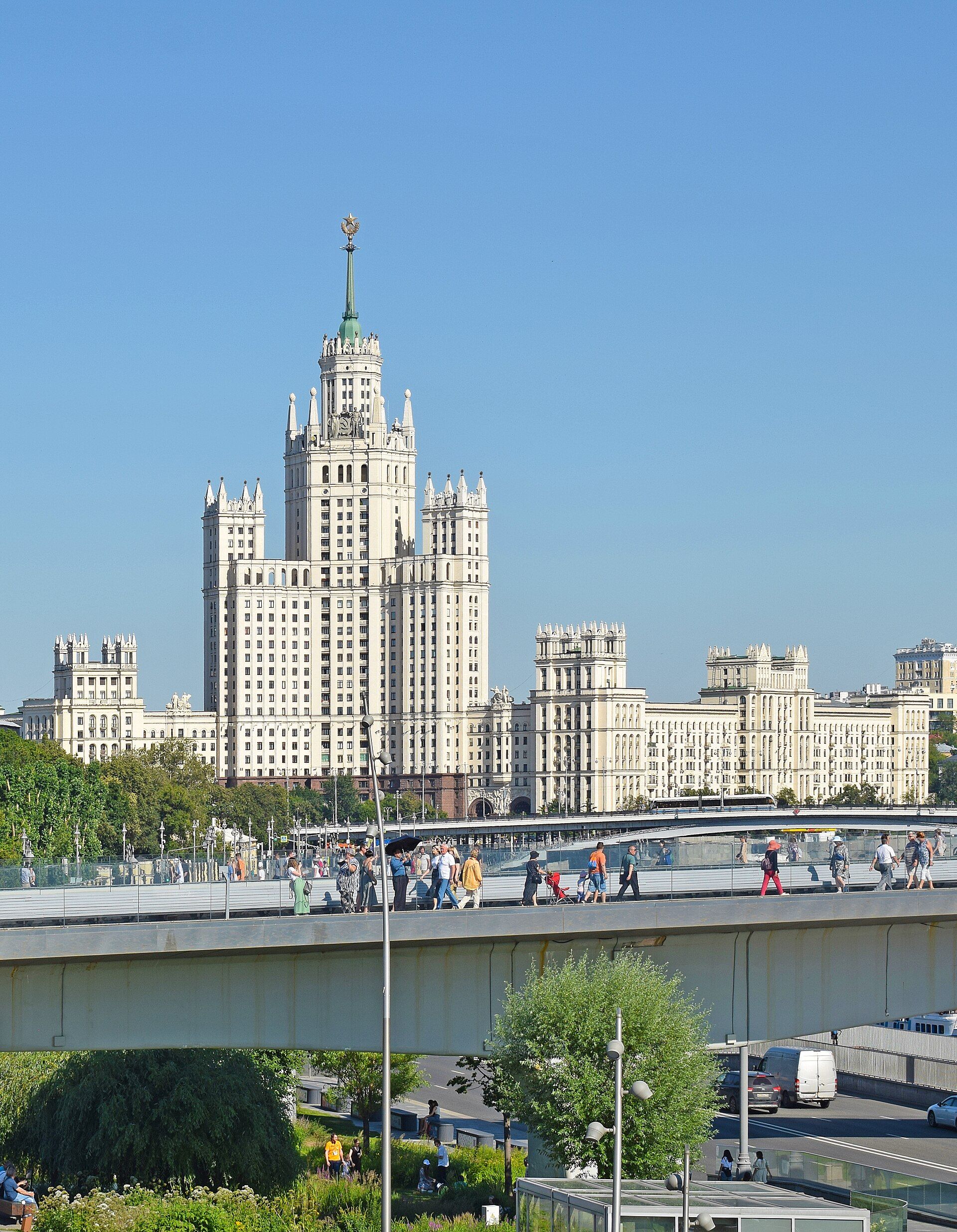
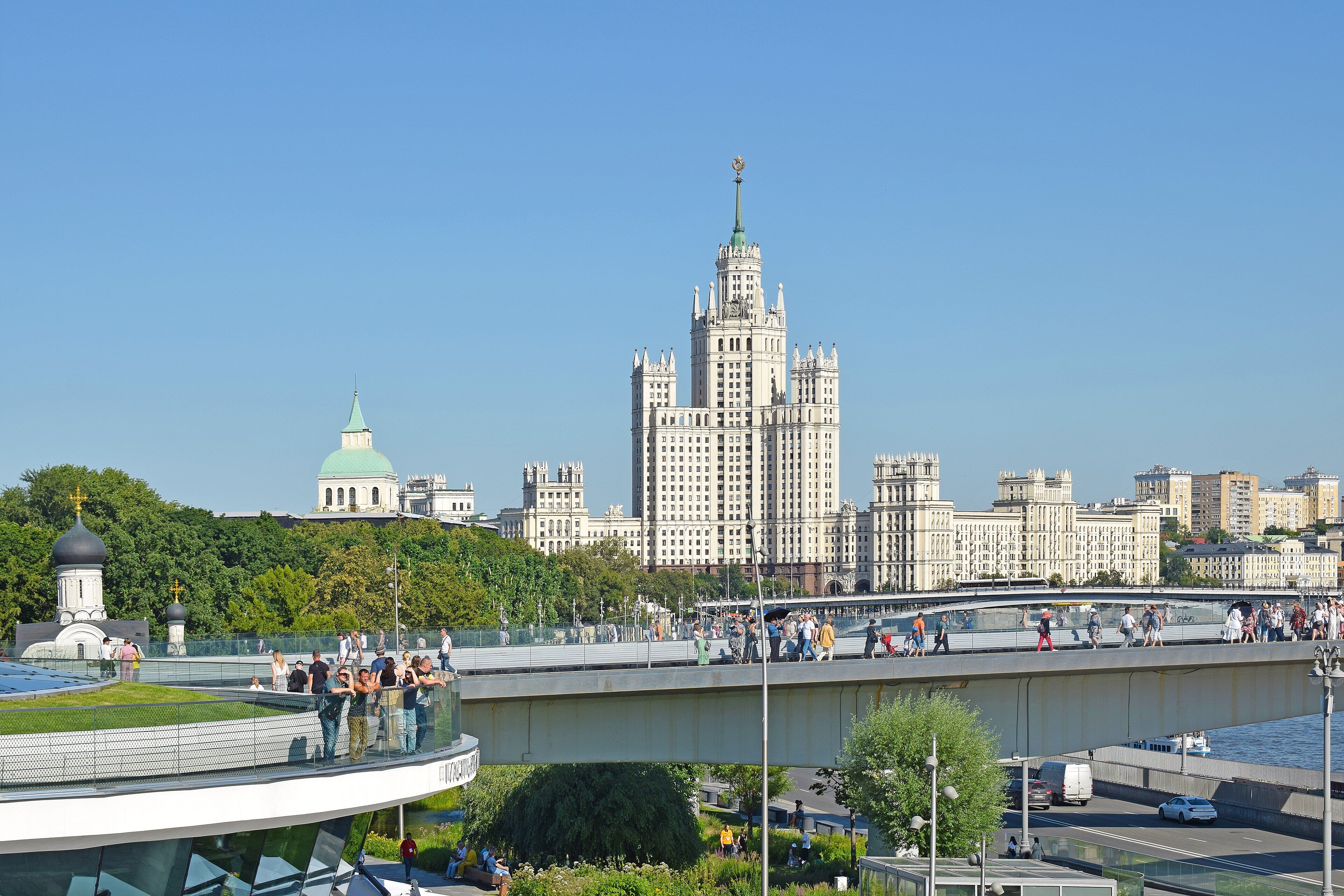
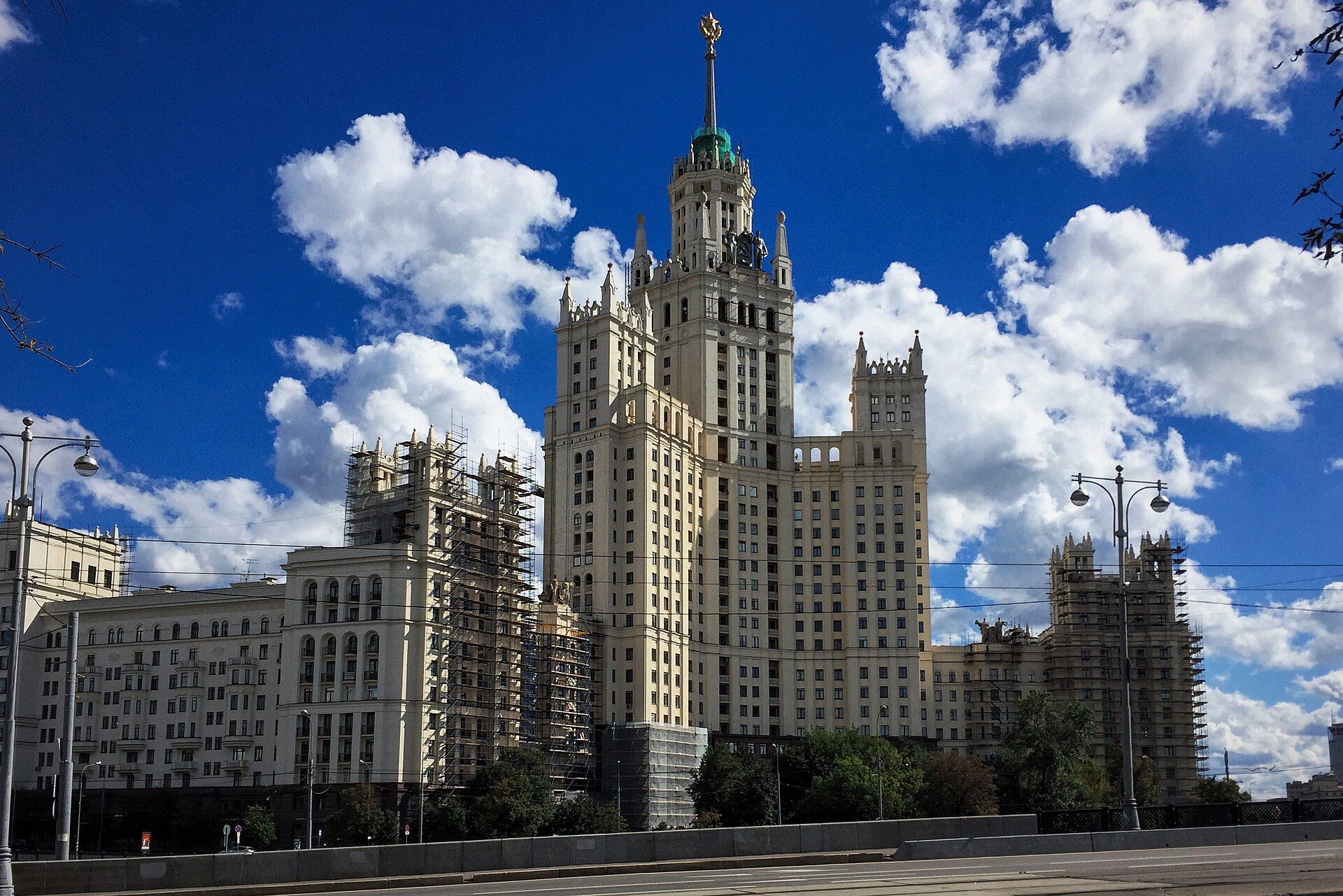
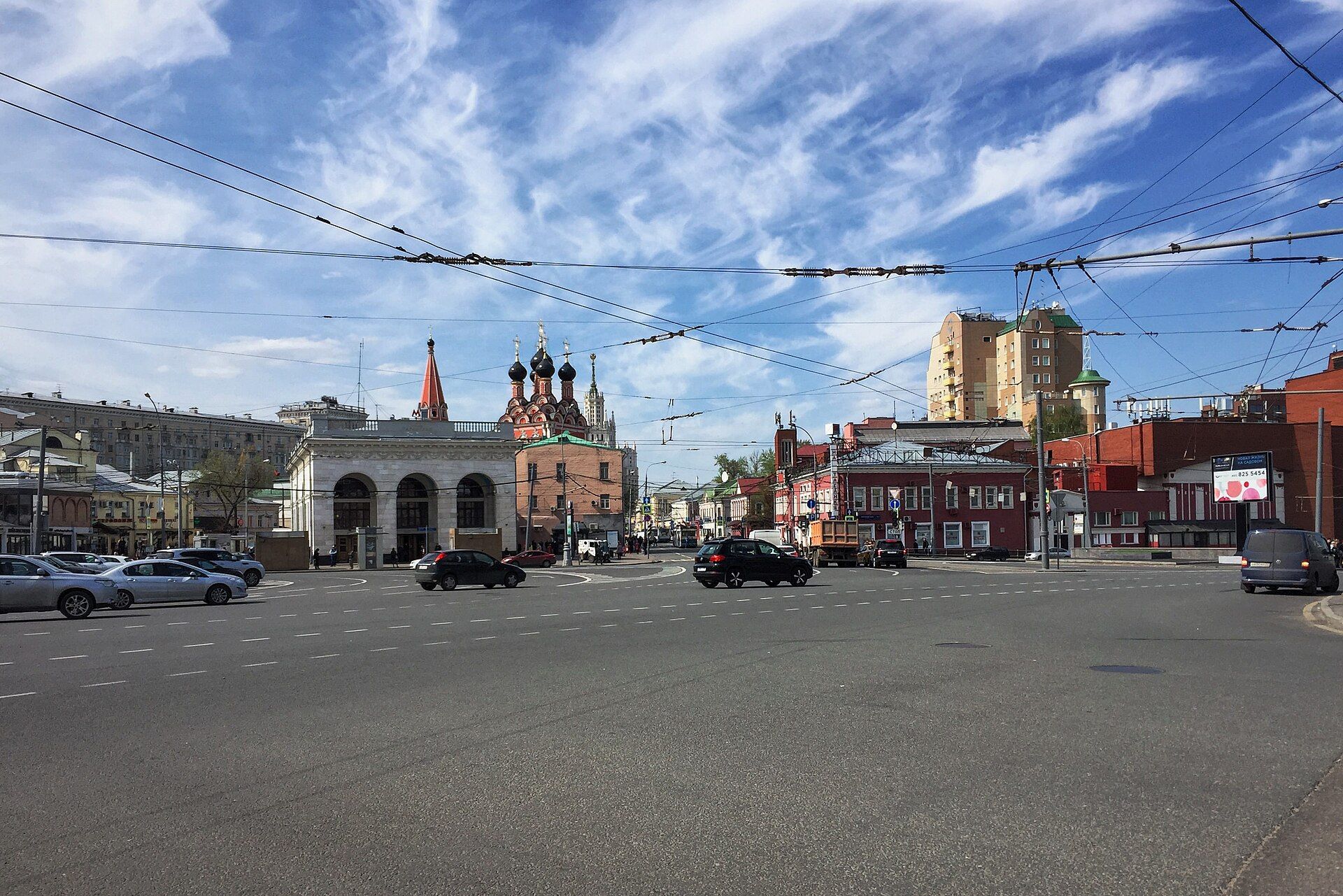
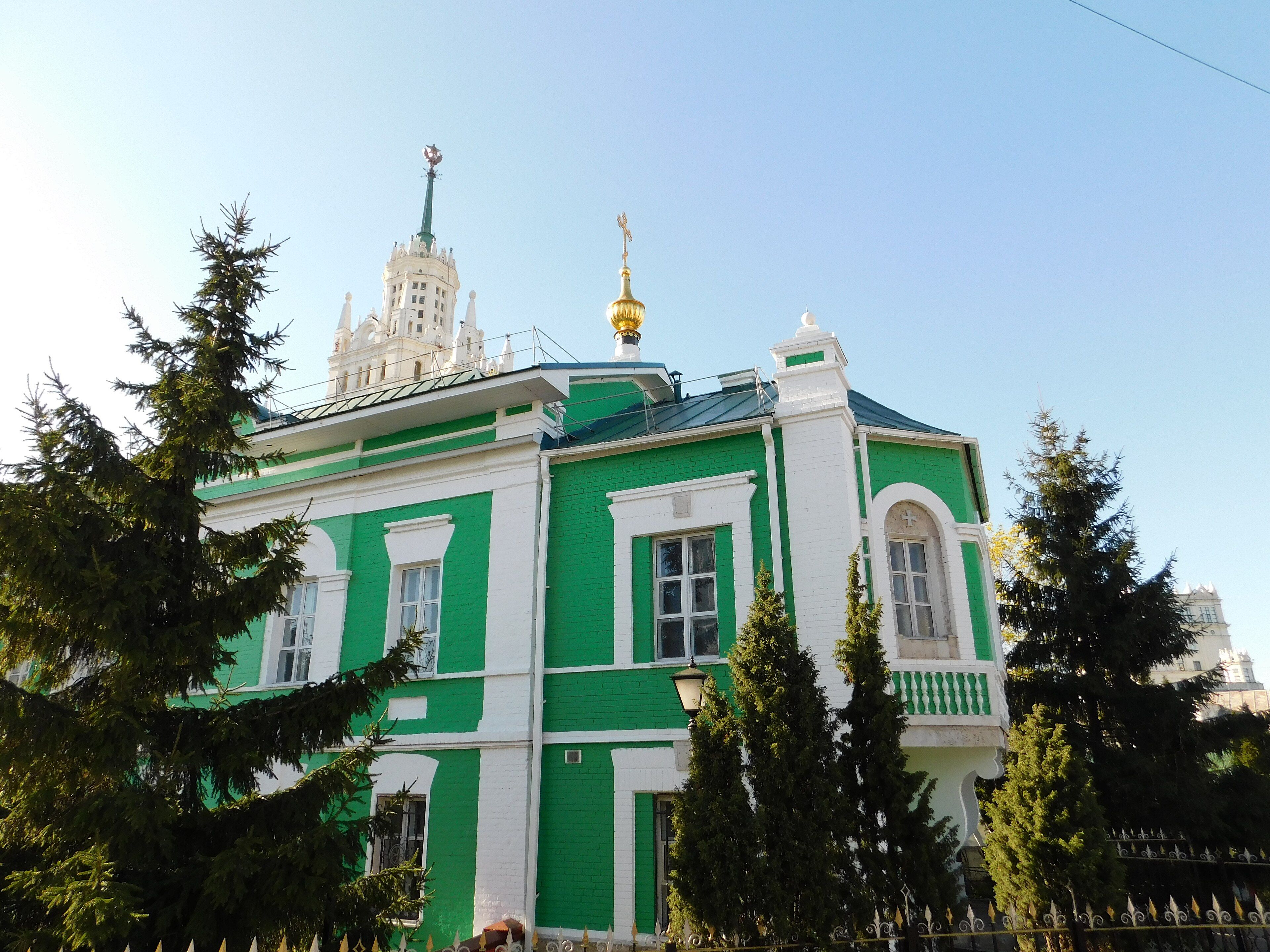
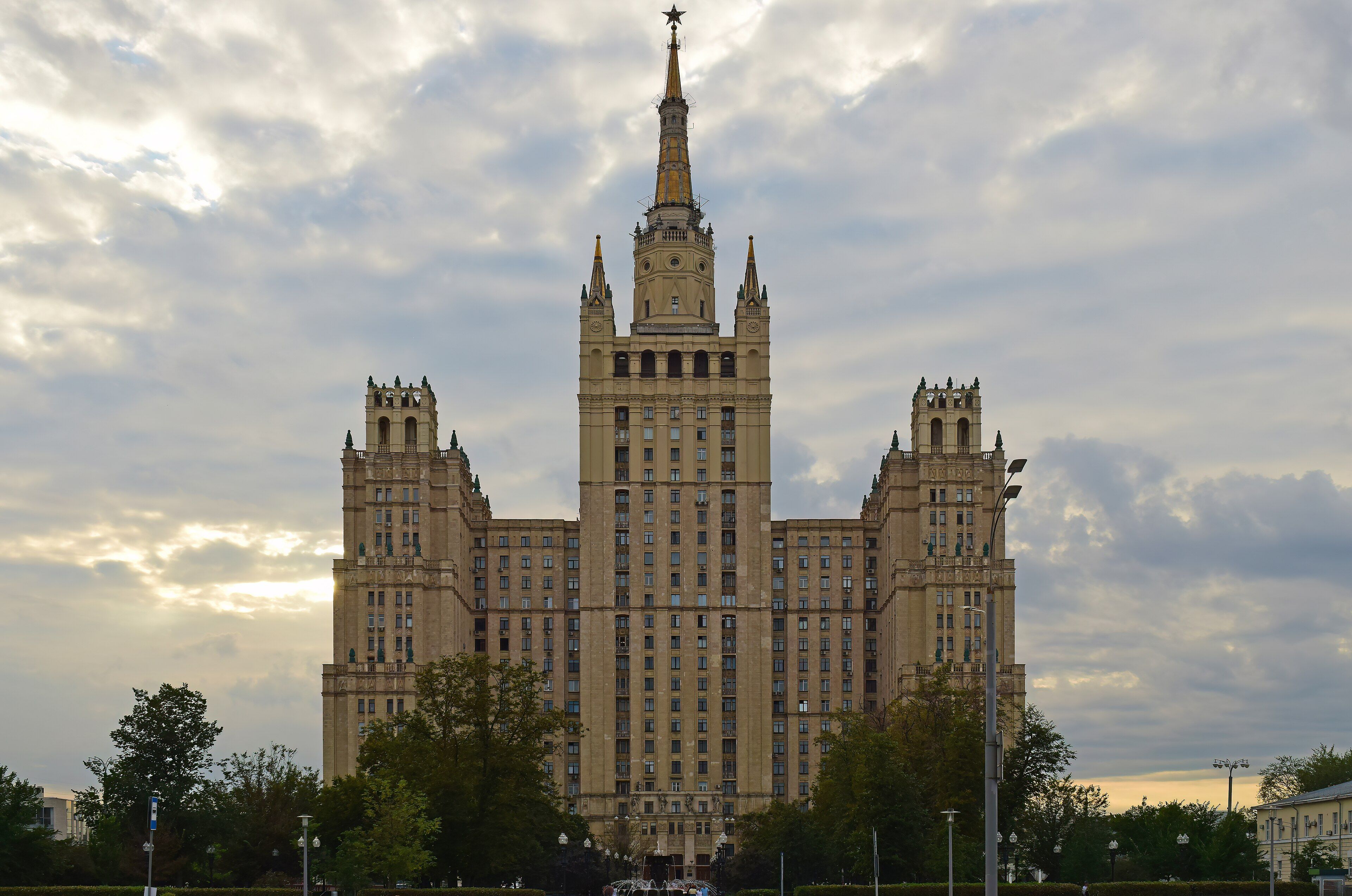
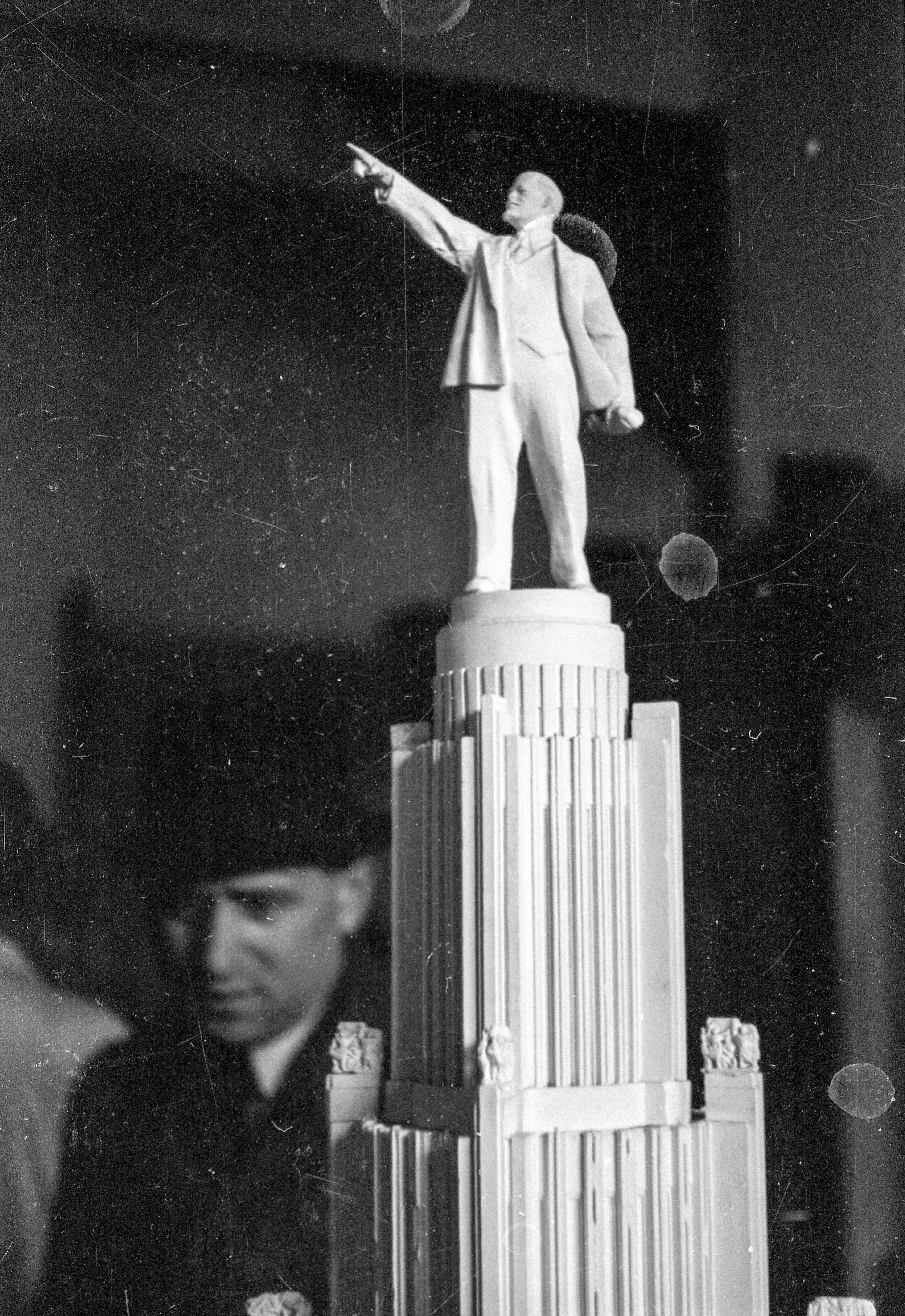
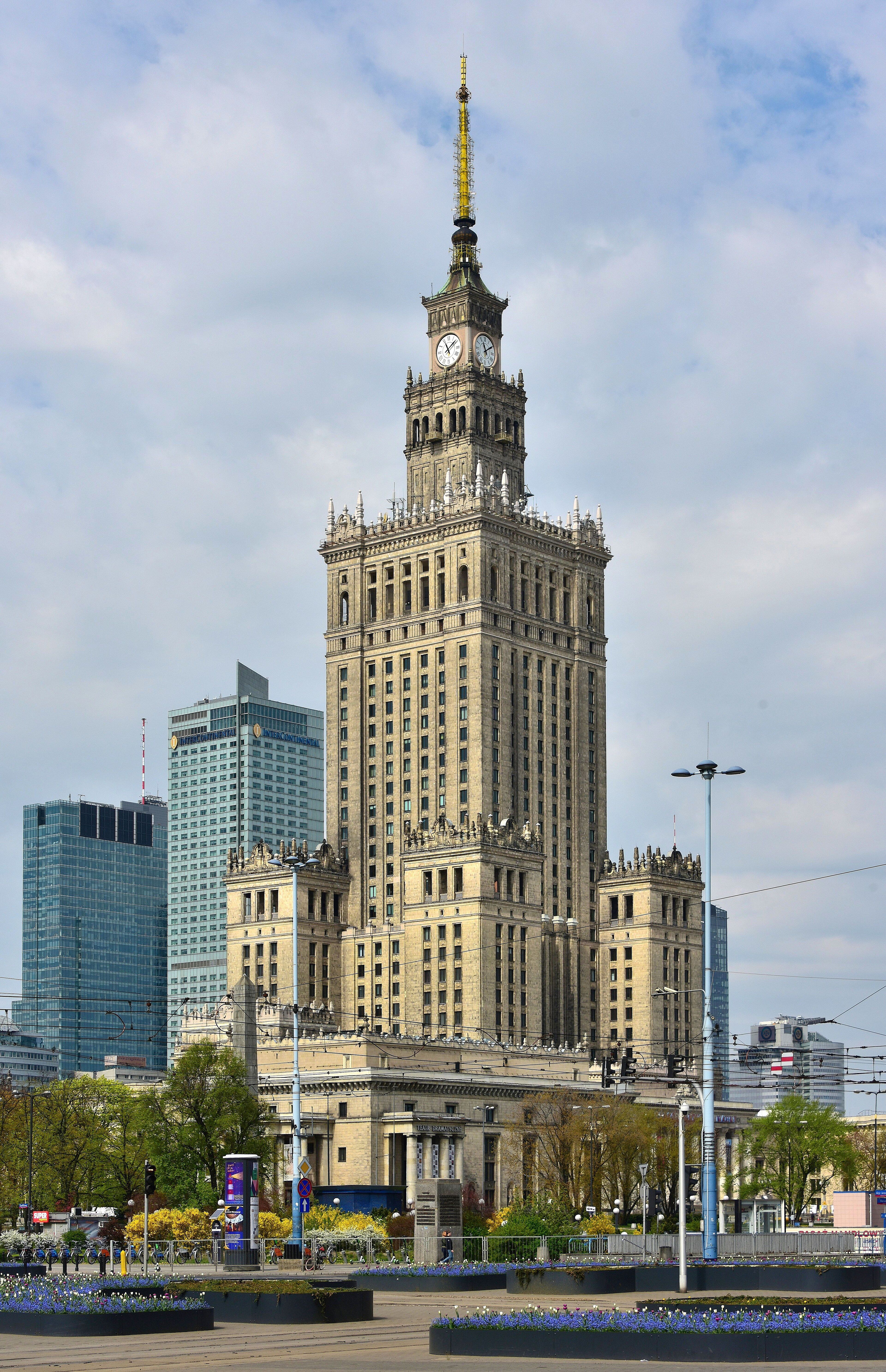
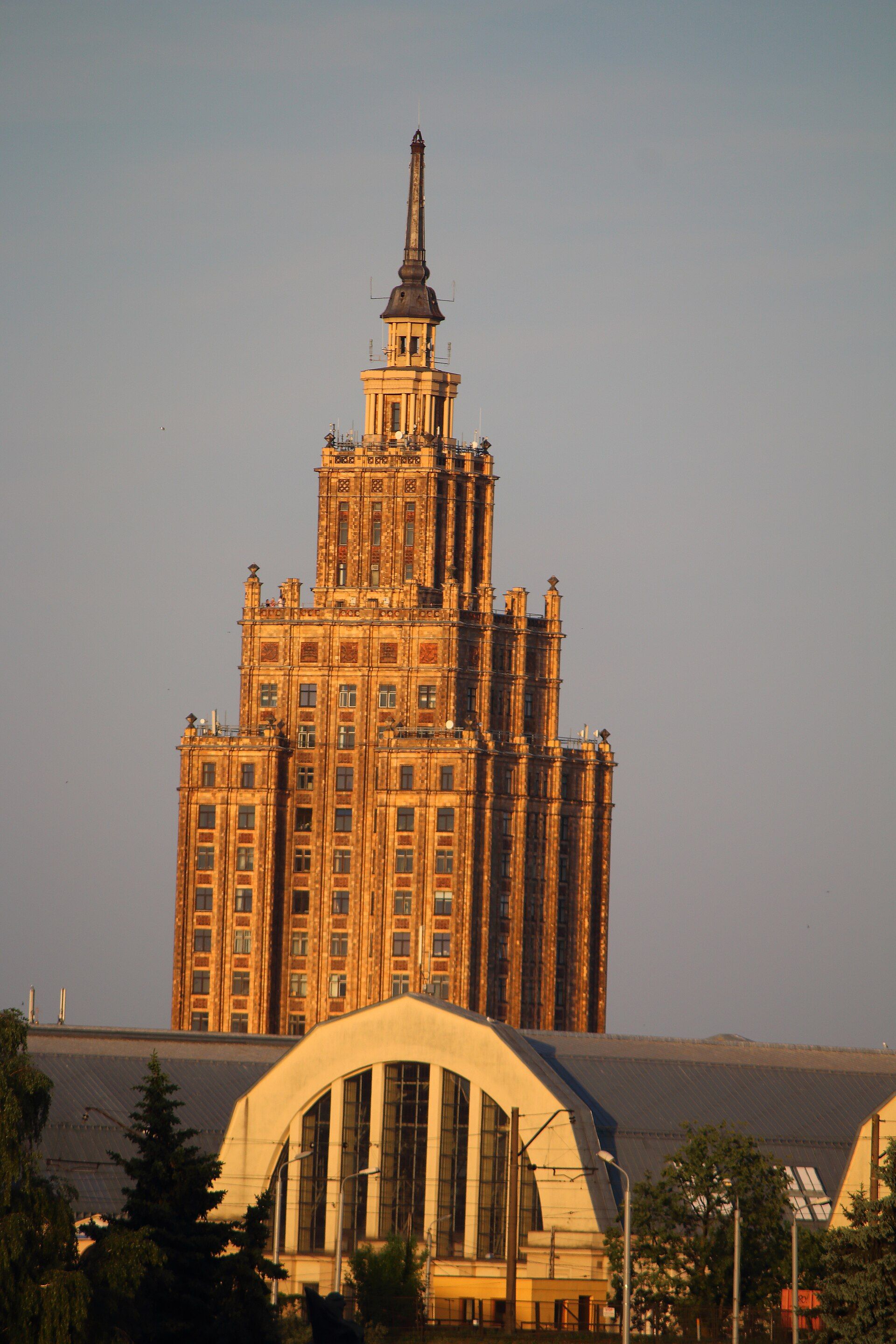
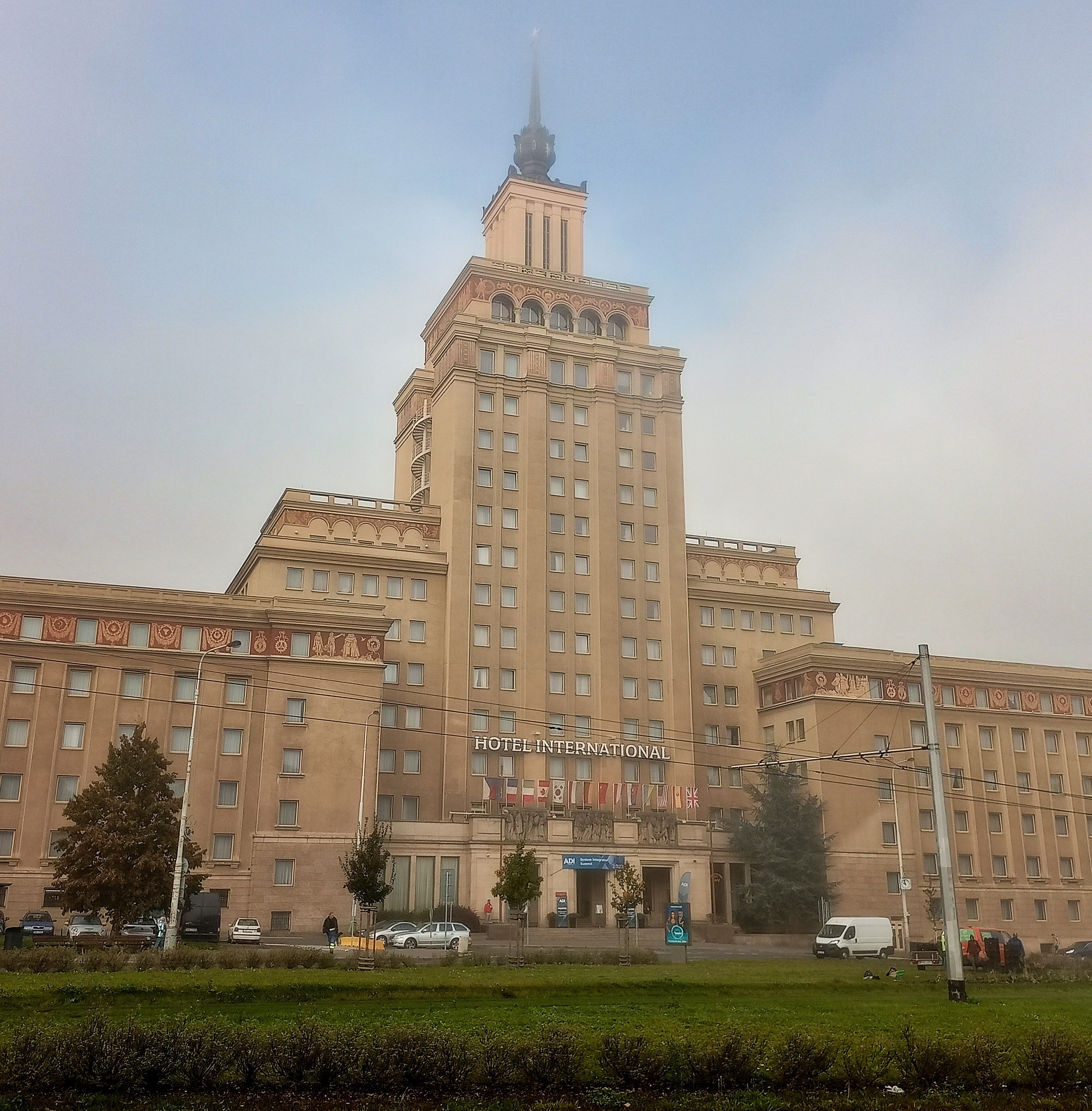
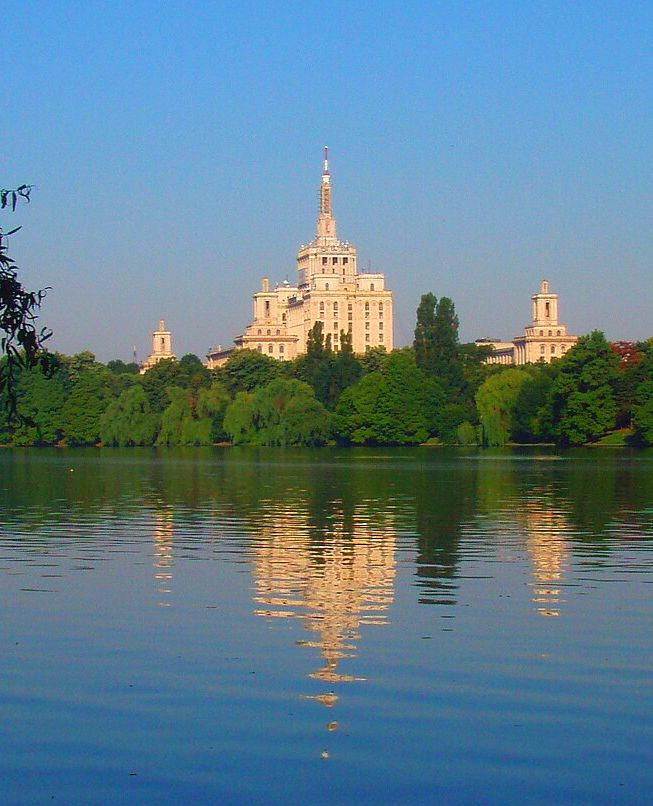
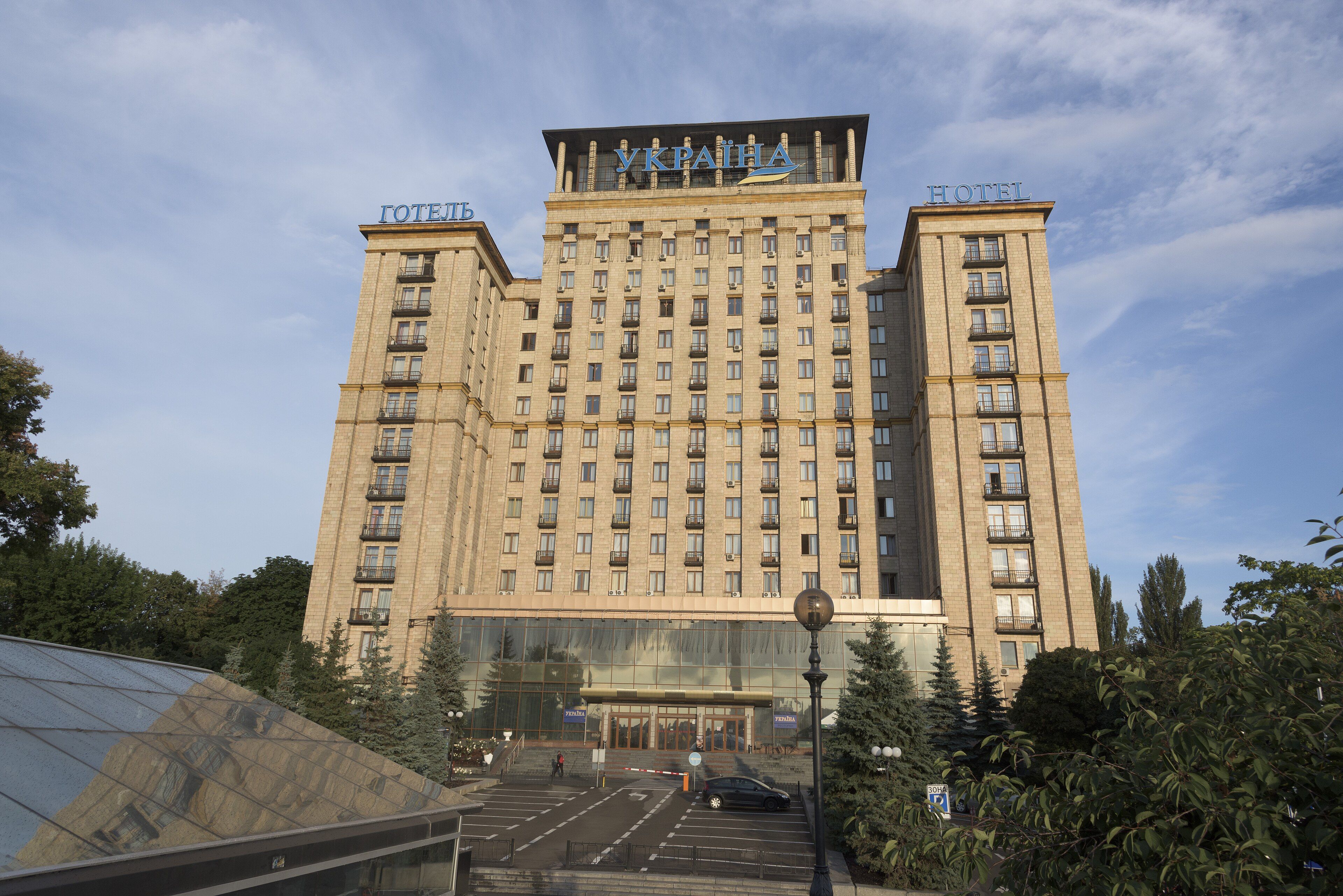
The first of the seven sisters to get residents and the most famous apartment building in Moscow. The skyscraper stands where the Yauza flows into the Moskva River, a 20 minute walk from the Kremlin.
Partly. The Illuzion cinema and shops are open, and tours of the building are available
Best view
From Bolshoy Ustyinsky Bridge and Kosmodamianskaya Embankment
How much time to allow
From 30 minutes outside to two hours with a tour
Architects
Dmitry Chechulin and Andrei Rostkovsky
History
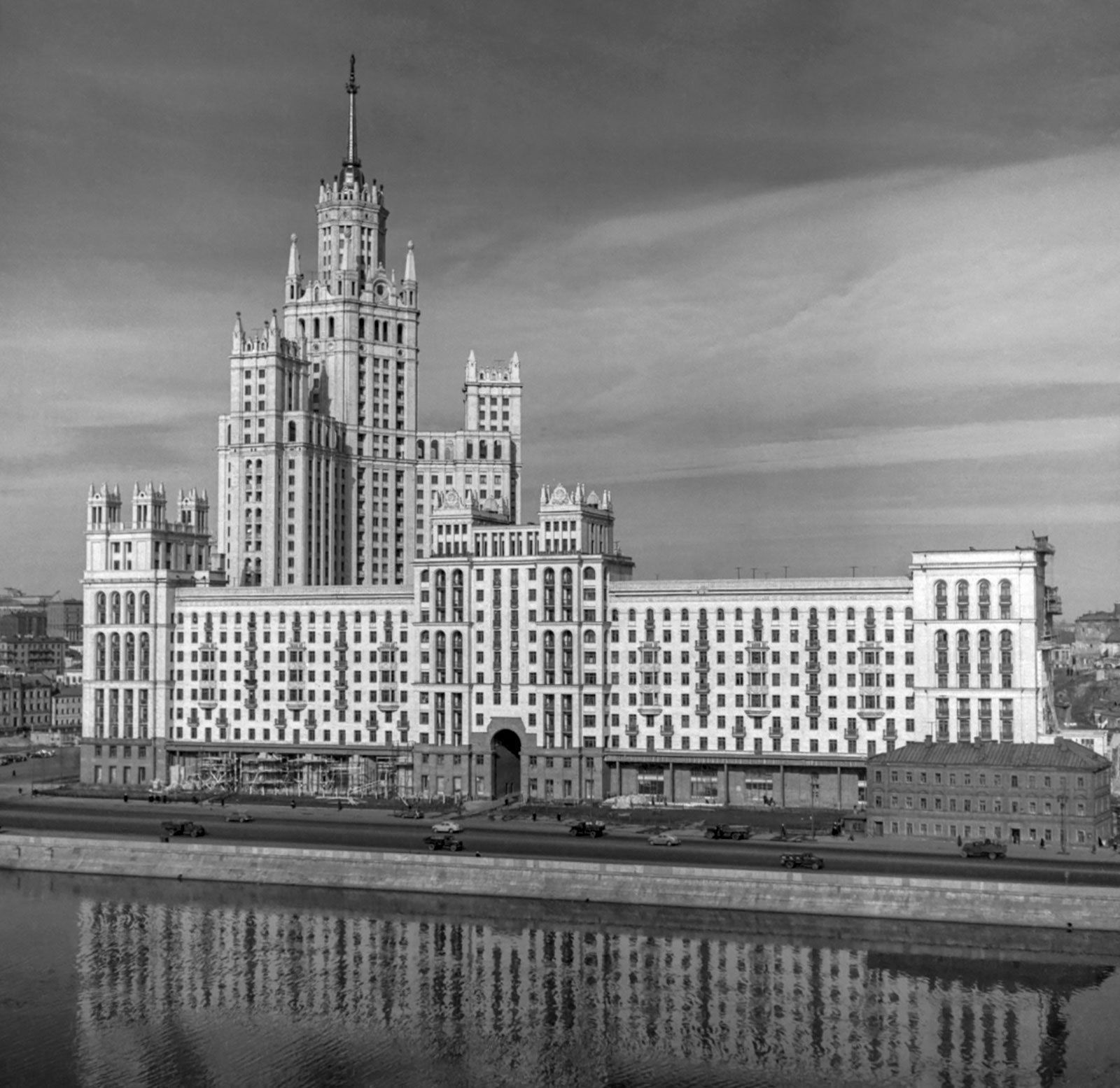
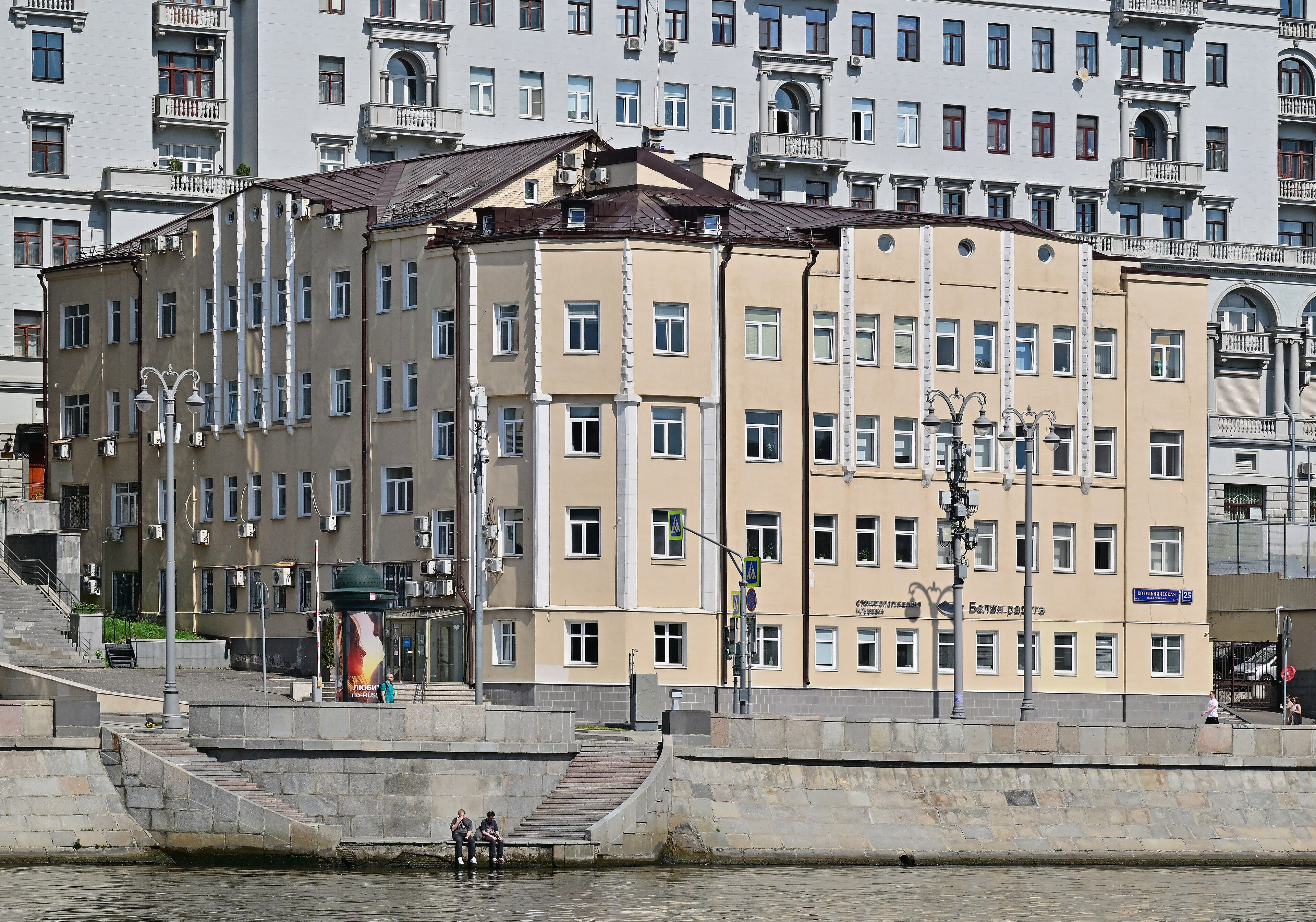
The spit where the Yauza flows into the Moskva River was already seen as one of the city’s key points in the master plans of the 1930s. A large apartment building was planned here, and from 1938 to 1940 the architects Dmitry Chechulin and Andrei Rostkovsky managed to build its first part. This is the nine-storey block along the Moskva River. The war stopped the rest.
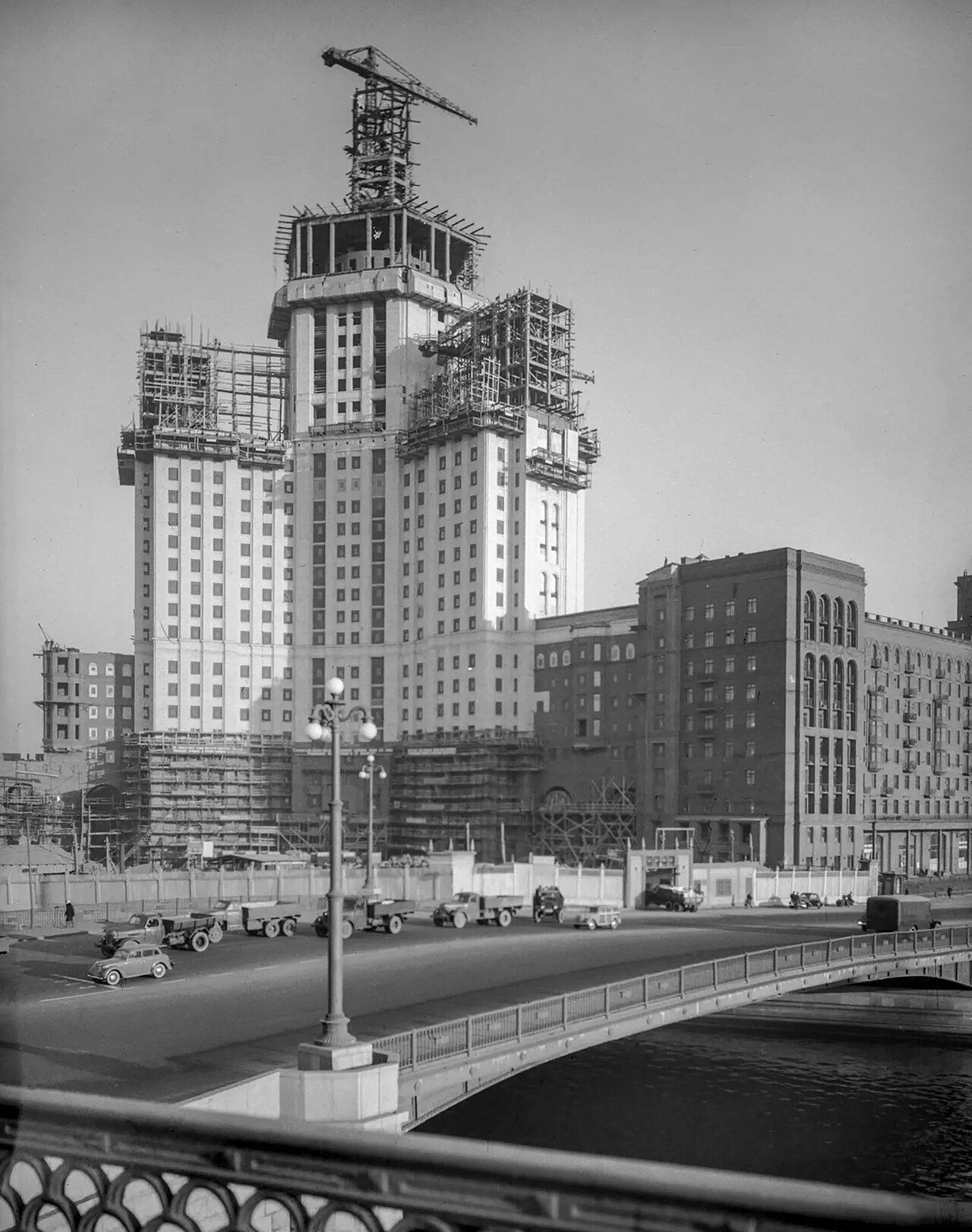
After the war the unfinished site became part of the high-rise programme. On 7 September 1947, Moscow’s 800th anniversary, the first stone was laid here as at the other sites. Construction was overseen by Lavrentiy Beria, and according to historians it was he who insisted on this location.
Construction was not easy. In September 1949 the Council of Ministers issued a separate decree on the work of the architects Chechulin and Rostkovsky. Both were punished after a complaint from the chief engineer and lost some of their commissions.
As at the Moscow State University site, Gulag prisoners worked here. Until the summer of 1951 prisoners of war worked alongside them and were referred to as the “special contingent”.
From 1948 to 1952 a high-rise tower and a symmetrical wing were added to the prewar block. In October 1952 the first residents moved in, making Kotelnicheskaya the first of the seven sisters to be occupied. When completed it was the tallest building in the USSR, and until 1964 the tallest apartment building in the world.
The building was built for the Soviet elite, that is for scientists, military officers, party officials and cultural figures. At the same time, the apartments in the prewar wing quite quickly turned into communal flats.
Architecture and numbers
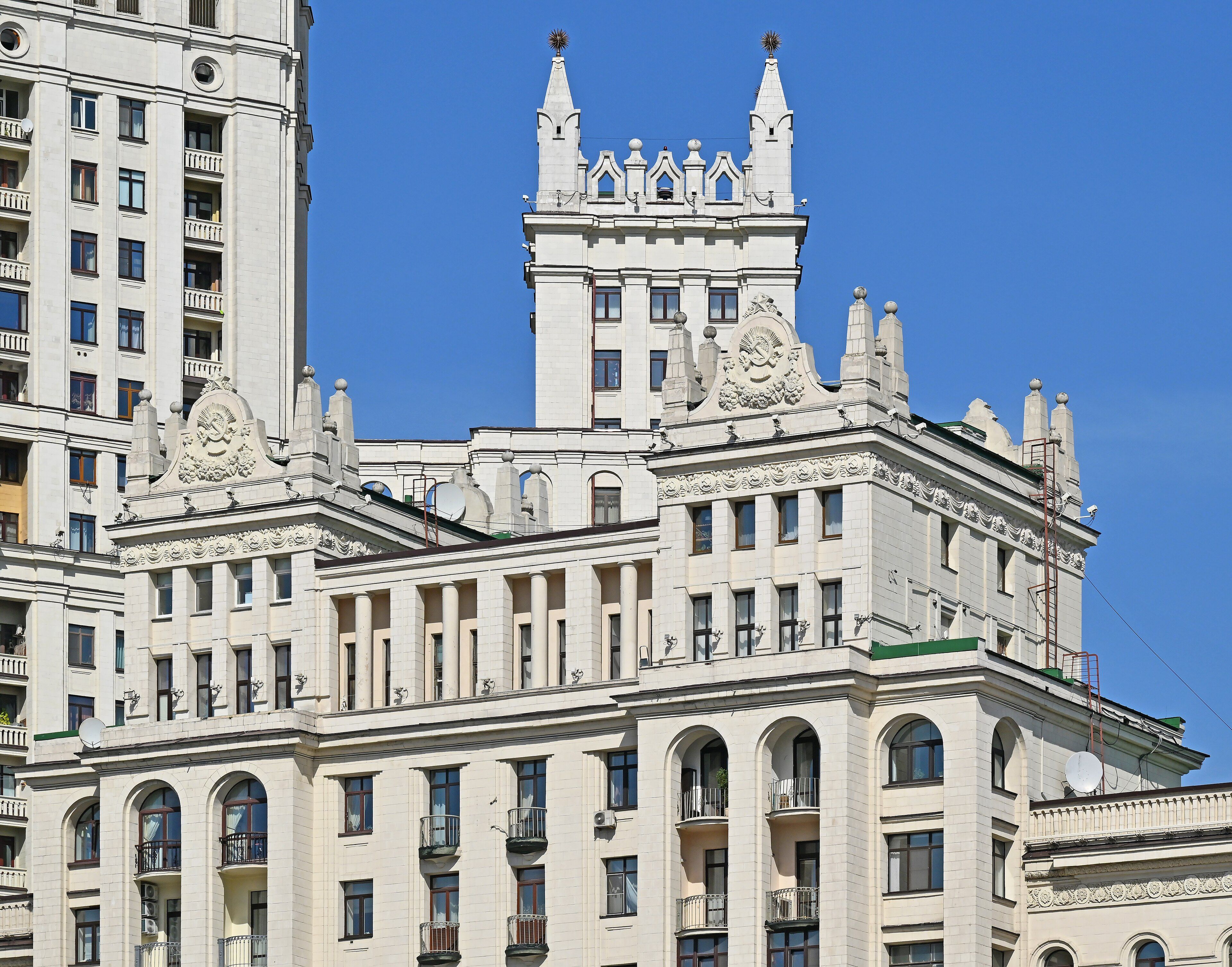
The building is not laid out as a rectangle like an ordinary house but as an open angle. This is how the architects handled the difference in ground level on the site. In plan it looks like the letter W. Three wings radiate from the central tower, and each ends in a small square tower. The tower rises to the spire in five tiers, which makes it look even more massive.
176 mheight with spire
32floors in the tower including technical floors
≈700apartments
20memorial plaques, a record for a single building in Moscow
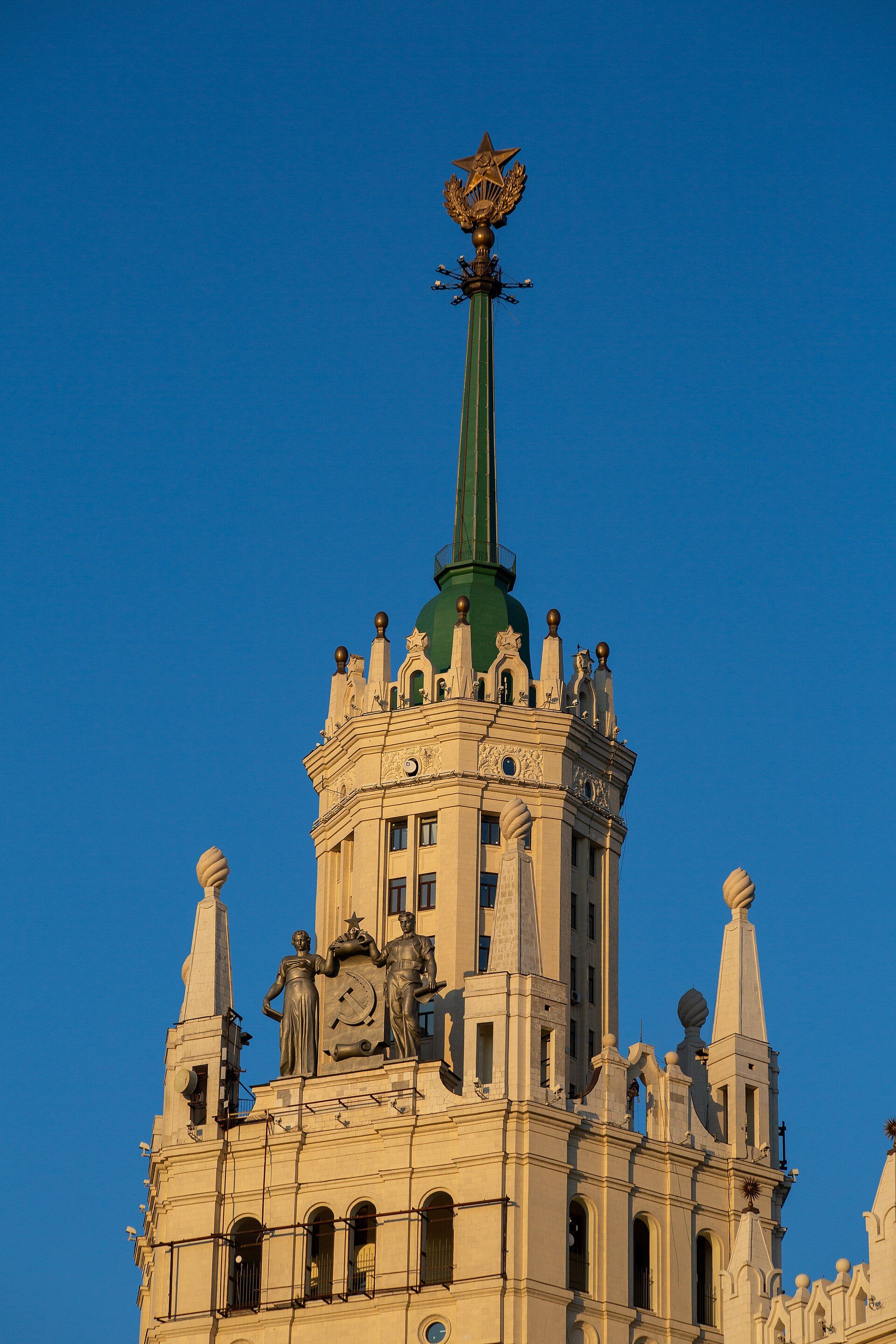
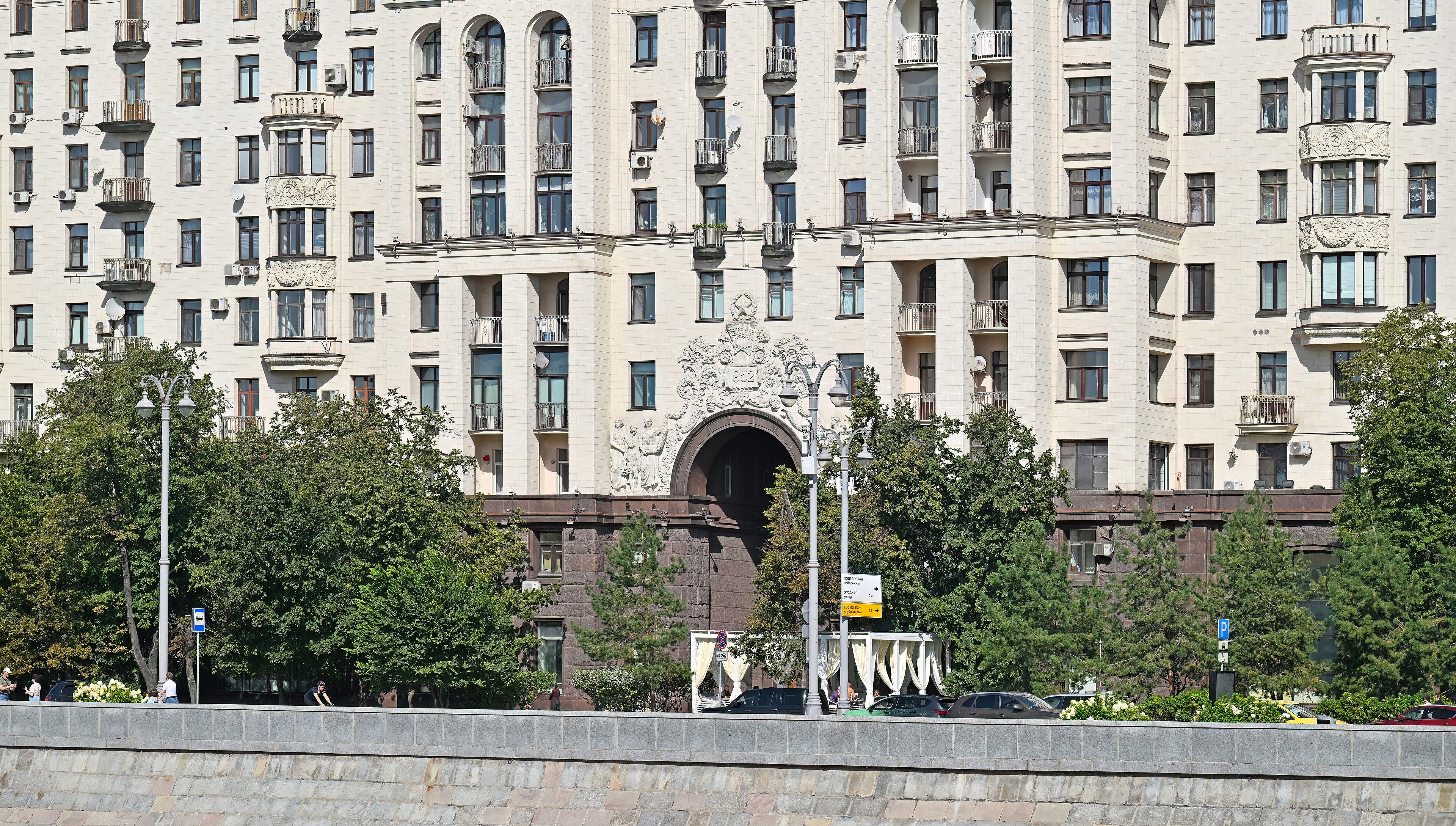
The tower has a steel frame, the facades are clad in ceramic tiles, and sculpture groups and obelisks stand by the central block. In engineering terms the building was ahead of its time. It had rubbish chutes, central ventilation, built-in wardrobes, lifts and a telephone line to the lobby. Bomb shelters were built underneath. From the very start it had its own post office, savings bank, grocery, bakery, dry cleaner, garage and cinema.
Today the building is protected as an architectural monument of regional importance.
What is inside and can you go in
The skyscraper is still an apartment building, so you will not be let into the stairwells without a resident’s invitation. But several places are open to everyone.
The cinema of the national film archive Gosfilmofond has been in the skyscraper since 18 March 1966. Its four screens show classics, retrospectives and rare archive prints, and silent films are sometimes shown with live music. It is the easiest way to get inside the building.
An ordinary grocery shop, but with 1950s marble walls, columns and floors. Walk in to see a genuine skyscraper interior for free.
By booking
Tours under the spire
Tour companies take groups around the building and inside. The most popular tour ends with a climb to the room under the star, from where you can see almost all of central Moscow. Some tours also include a visit to a real apartment.
The 140 square metre apartment of the great ballerina, with her original furniture, books and gifts. The museum opened in 2004 as a branch of the Bakhrushin Theatre Museum. It is currently closed for restoration, after which a new exhibition is promised. Check its status on the Bakhrushin Museum website before you go.
Famous residents
Few buildings in Moscow can match this one for famous residents. Its walls carry 20 memorial plaques. Here are some of the people who lived here.
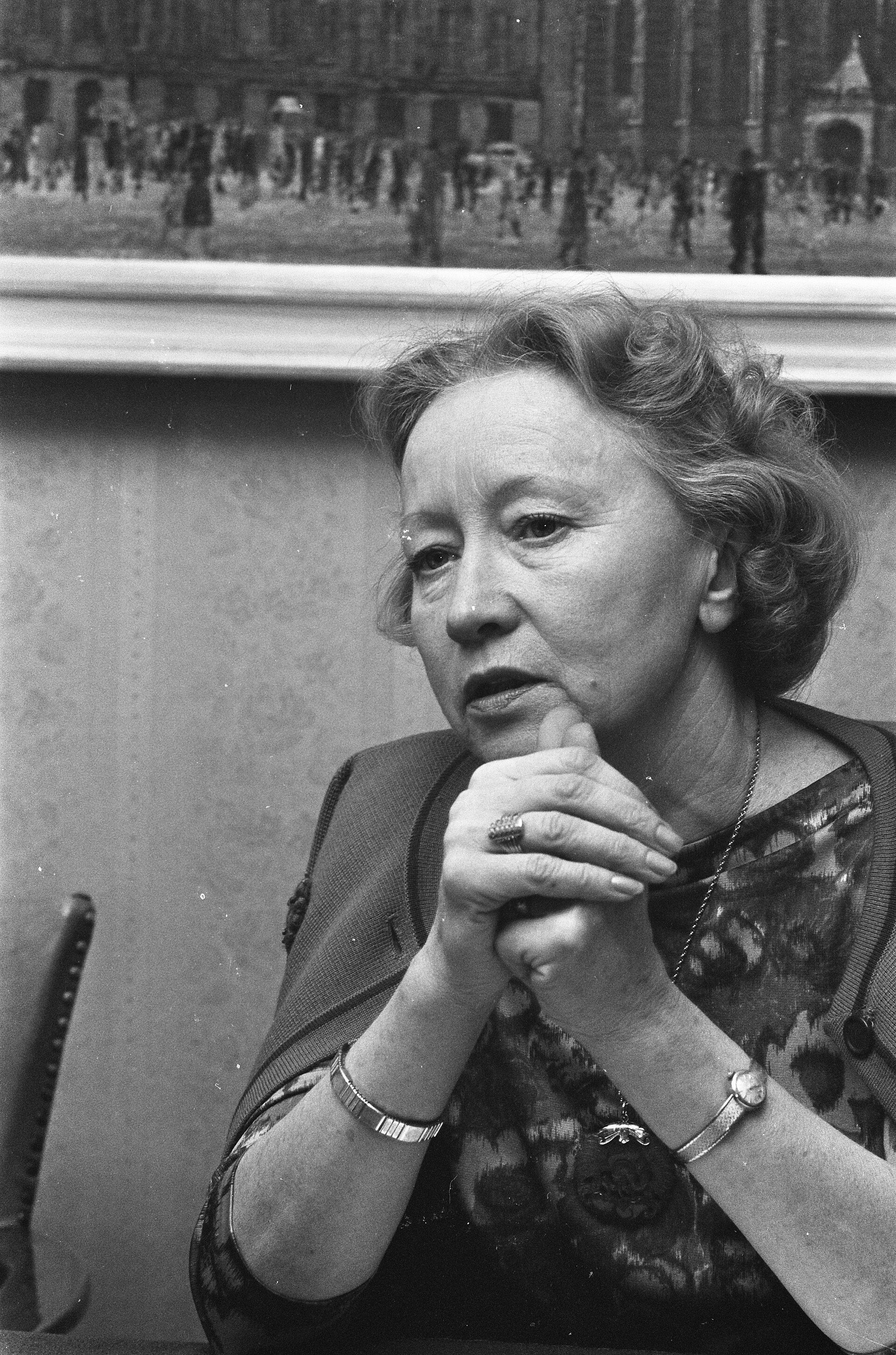
Galina Ulanova
Ballerina
Prima ballerina of the Bolshoi Theatre and one of the greatest dancers of the twentieth century. Her Juliet during the Bolshoi’s 1956 London tour won over Western audiences. Ulanova moved into the skyscraper with the first residents in October 1952 and lived here for 46 years. Her last apartment became a museum.
Faina Ranevskaya
Actress
One of the best-loved comic actresses of the USSR, whose quips are still quoted today. The windows of her apartment looked out onto a bakery and a cinema, and Ranevskaya joked that she lived “above bread and circuses”.
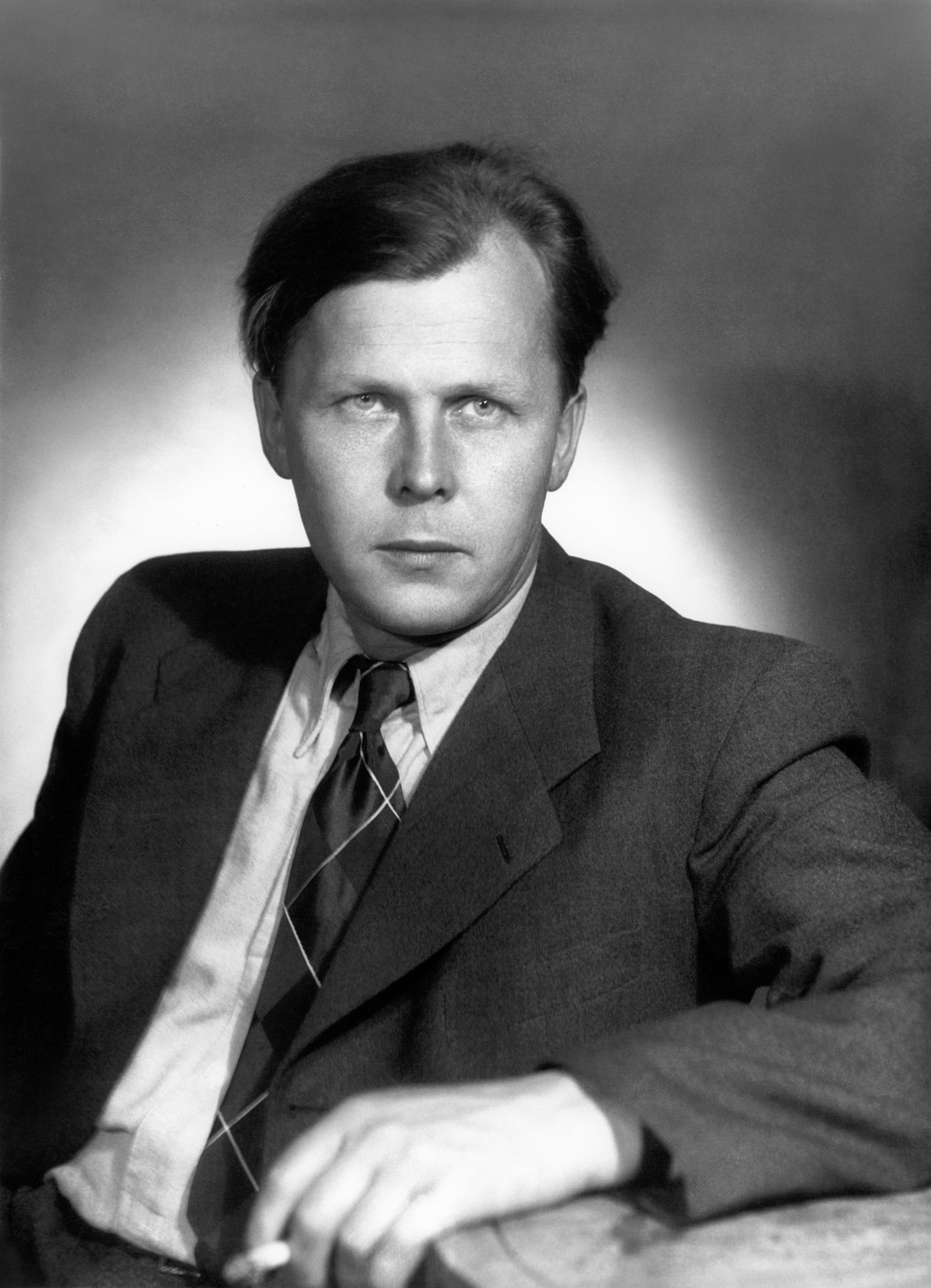
Alexander Tvardovsky
Poet and editor
Author of the poem Vasily Tyorkin, the most popular book about the war. As editor in chief of the magazine Novy Mir he was the first to publish Solzhenitsyn’s One Day in the Life of Ivan Denisovich, the first story about the Gulag in the Soviet press.
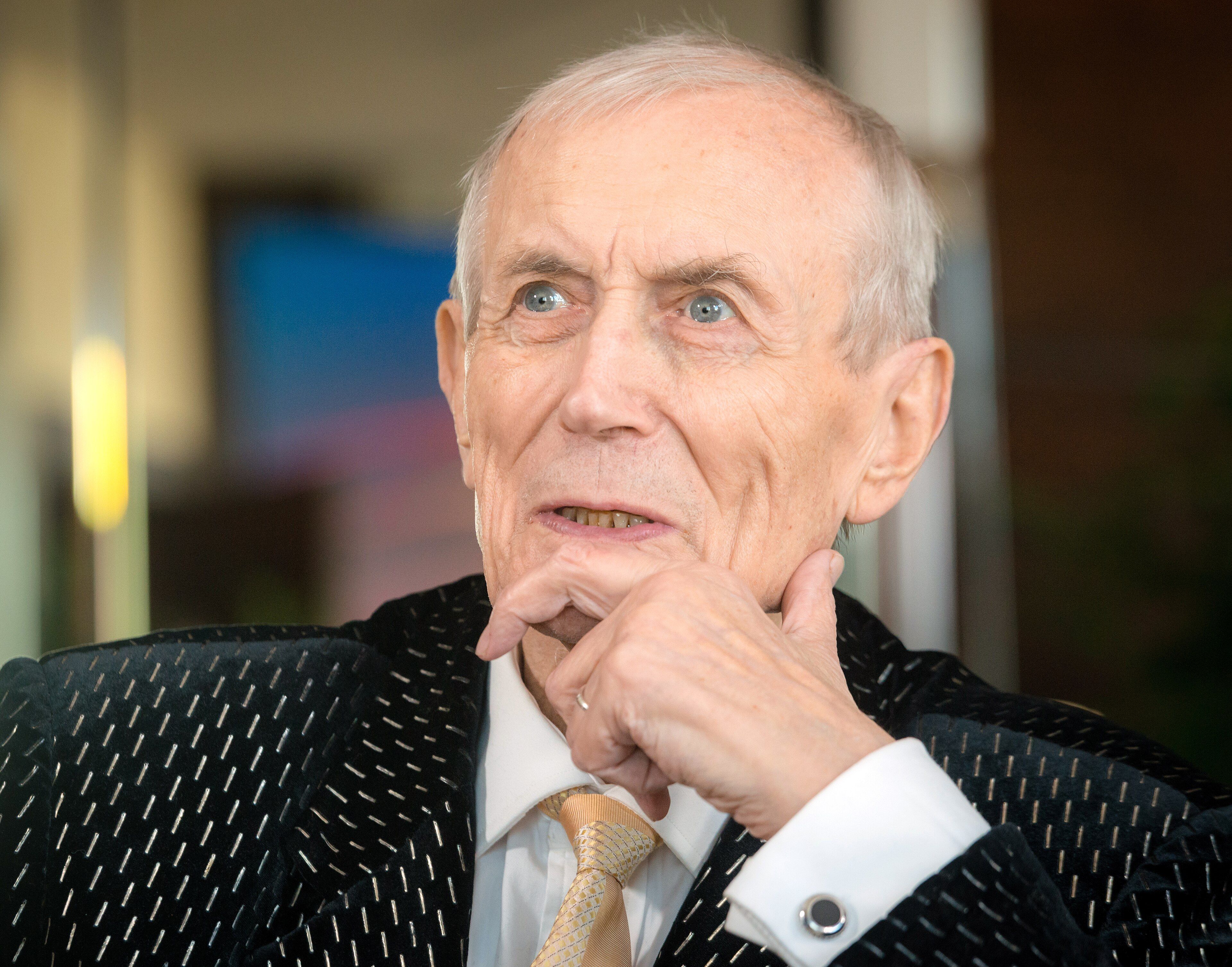
Yevgeny Yevtushenko
Poet
One of the leading poets of the Thaw, who filled stadiums with listeners. Dmitri Shostakovich wrote his Thirteenth Symphony to his verses.
Nonna Mordyukova
Actress
People’s Artist of the USSR and star of A Simple Story, The Diamond Arm and Kinfolk. She was called the most Russian actress of Soviet cinema.
Konstantin Paustovsky
Writer
Author of The Story of a Life and of nature stories that are still taught in schools. In 1965 he was nominated for the Nobel Prize in Literature.
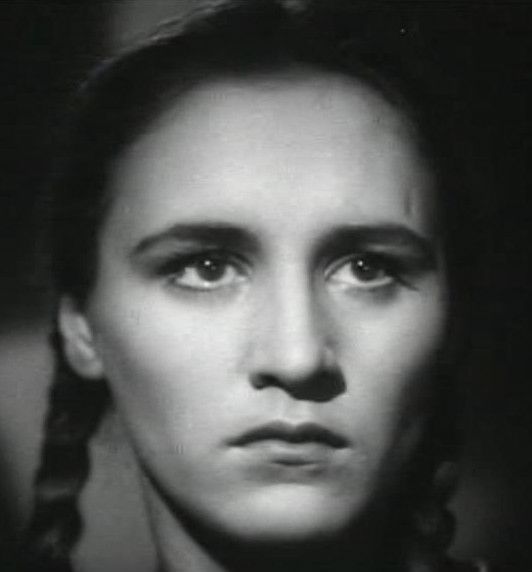
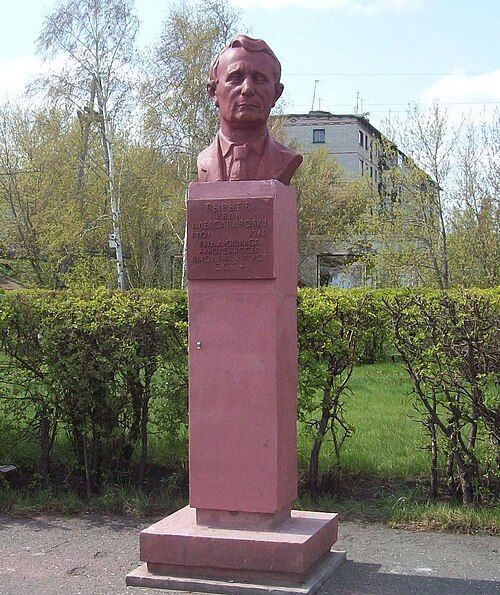
Ivan Pyryev and Marina Ladynina
Director and actress
The married couple behind the great musical comedies of the Stalin era, Cossacks of the Kuban and They Met in Moscow. In the 1950s Pyryev ran Mosfilm.
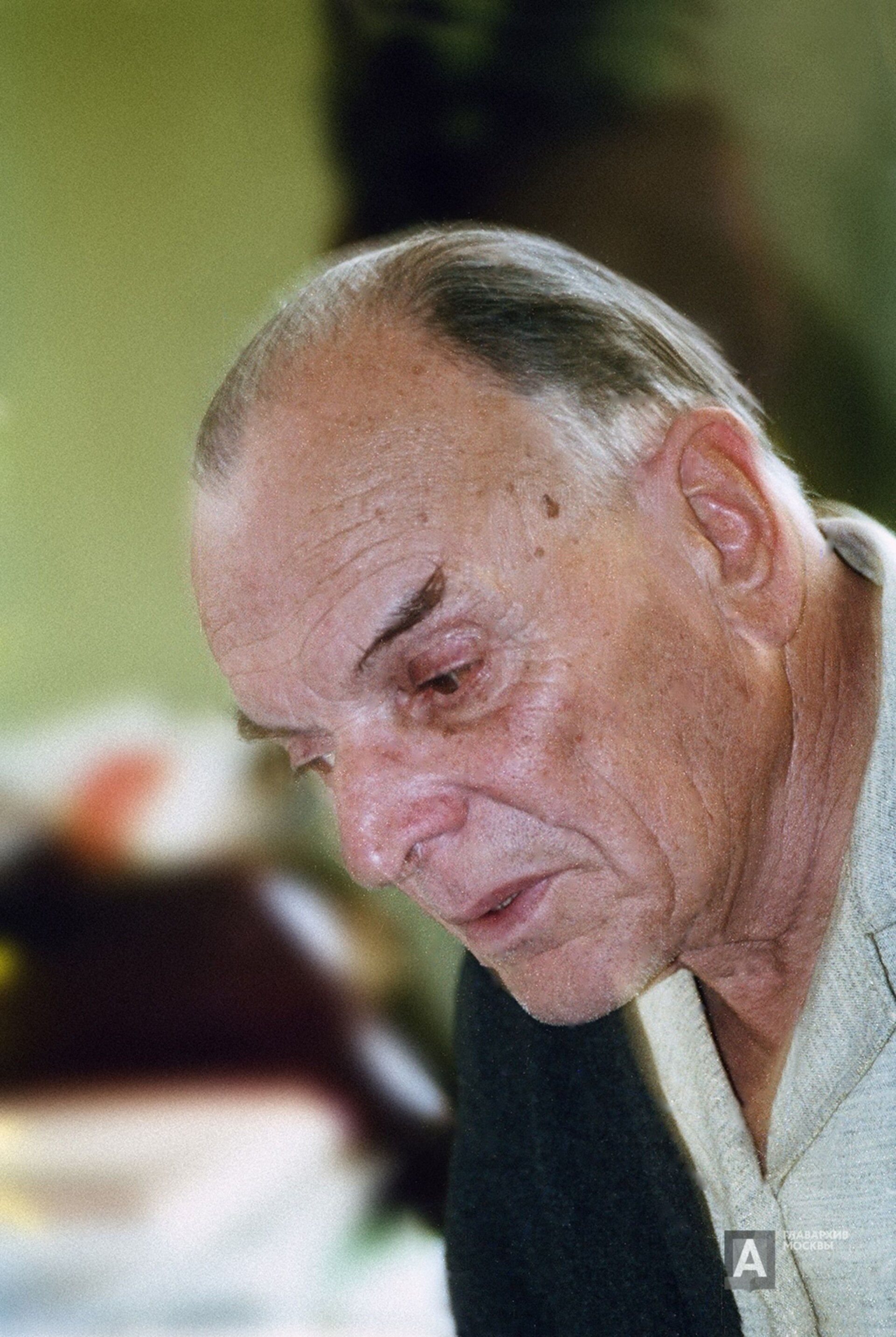
Nikita Bogoslovsky
Composer
Author of the songs Dark Is the Night and Schooners Full of Mullet, which the whole country knows. In the building he was remembered as a master of practical jokes.
The poets Andrei Voznesensky and Robert Rozhdestvensky, the writer Vasily Aksyonov, the actresses Klara Luchko and Lidiya Smirnova, the singer Lyudmila Zykina, the actor Alexander Shirvindt and many others also lived here.
In film
Directors love this building as a ready-made symbol of success and the life of the Soviet elite. Here are films in which you can see the skyscraper or its interiors.
Moscow Does Not Believe in Tears
1979KP8.4IMDb8.0
Directed by Vladimir Menshov
The best-known Soviet film about Moscow. In the story Katerina and her friend look after a professor’s apartment in a Stalinist skyscraper. The exterior shots show the Kudrinskaya Square building, while the lobby, stairs and apartment were filmed at Kotelnicheskaya.
Pokrovsky Gates
1982KP8.3IMDb7.9
Directed by Mikhail Kozakov
A much-loved comedy about Moscow in the 1950s. Rita, the girlfriend of the hero Kostik, lives in the Kotelnicheskaya skyscraper, and in the film the building stands for the life of the Soviet elite.
Brother 2
2000KP8.3IMDb7.6
Directed by Aleksei Balabanov
A cult action film about Danila Bagrov. It was shot in the inner courtyard of the skyscraper behind the spire block. Here the singer Irina Saltykova walks into her entrance, and Danila and his brother get into a shootout.
Hipsters
2008KP6.9IMDb7.1
Directed by Valery Todorovsky
A musical about young Muscovites in 1955 who defied grey Soviet life with bright clothes and jazz. The Kotelnicheskaya skyscraper is among the film’s Moscow locations.
Legends
Secret tunnels
It is said that underground passages lead from the skyscraper’s basements to the Kremlin. There really are bomb shelters under the building with air and water filtration systems, but the tunnels exist only in stories.
Long-lived cockroaches
In the first years after people moved in, the building became famous for its huge and very hardy cockroaches. Yevgeny Yevtushenko even wrote a poem about them.
The bricked-up foreman
Prisoners were among those who built the skyscraper, and old residents tell a grim tale. If you drill into a wall and hit a skeleton, do not be scared, it is just the foreman the builders walled up.
Where to take photos
The skyscraper is best shot from a distance, so the whole tower fits in the frame along with the river. Here are three tried and tested spots.
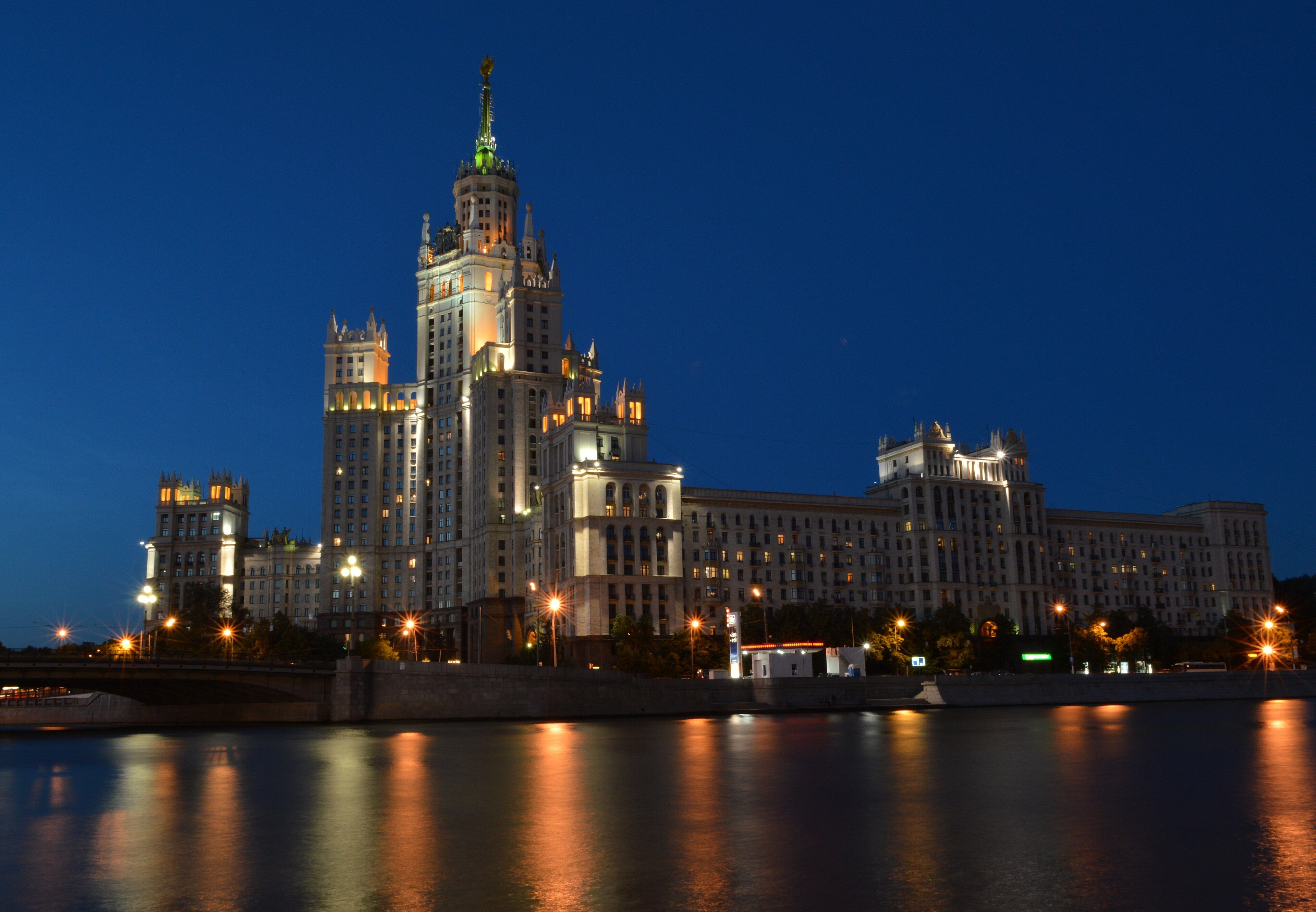
The classic view. From the bridge you see the whole skyscraper together with its reflection in the Moskva River, especially striking at sunset and in the evening lights.
Kosmodamianskaya Embankment
The opposite bank of the Moskva River. From here the building looks like a huge ship, with the embankment and the bridge in the frame.
The skyscraper stands in Moscow’s old centre, and almost everything of interest nearby can be reached on foot. Walking times are from the skyscraper entrance, and the links let you choose a tour of each place.
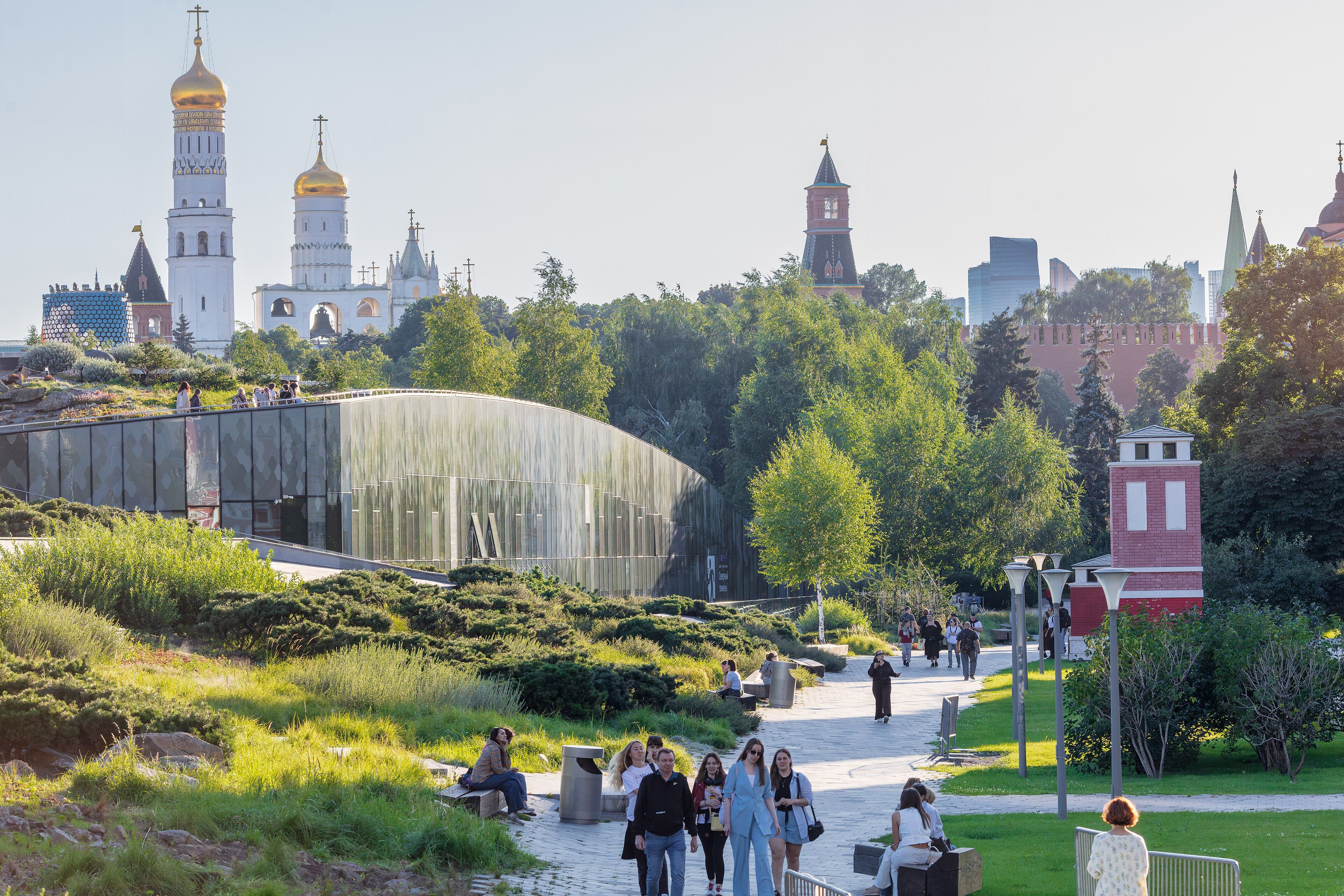
Zaryadye Park
20 min
A modern park by the Kremlin with the Floating Bridge over the Moskva River. It stands where the eighth skyscraper was to be built.
It is an apartment building, so you cannot enter the stairwells unless a resident invites you. But the Illuzion cinema and the ground floor shops are open to everyone, and tour companies take groups inside, including right up under the spire.
Where is the best place to photograph the skyscraper?
From Bolshoy Ustyinsky Bridge, from Kosmodamianskaya Embankment on the other bank of the river and from the Floating Bridge in Zaryadye Park. The best shots come at sunset and in the evening, when the lights come on.
Is the Galina Ulanova Apartment Museum open?
The museum has been closed for restoration for several years, after which a new exhibition is promised. Check its status on the Bakhrushin Theatre Museum website before you go.
Can you stay in the Kotelnicheskaya skyscraper?
Yes, some apartments in the building are rented out by the night. Look for them on booking sites at the address Kotelnicheskaya Embankment 1/15.
How many floors does the skyscraper have and how tall is it?
The central tower has 32 floors including technical floors, and it is 176 metres tall with the spire. The side blocks are lower, and the prewar wing along the Moskva River has nine floors.
How do I get to the Kotelnicheskaya skyscraper?
The nearest metro stations are Taganskaya and Kitay-gorod. They are about 11 and 15 minutes away on foot.