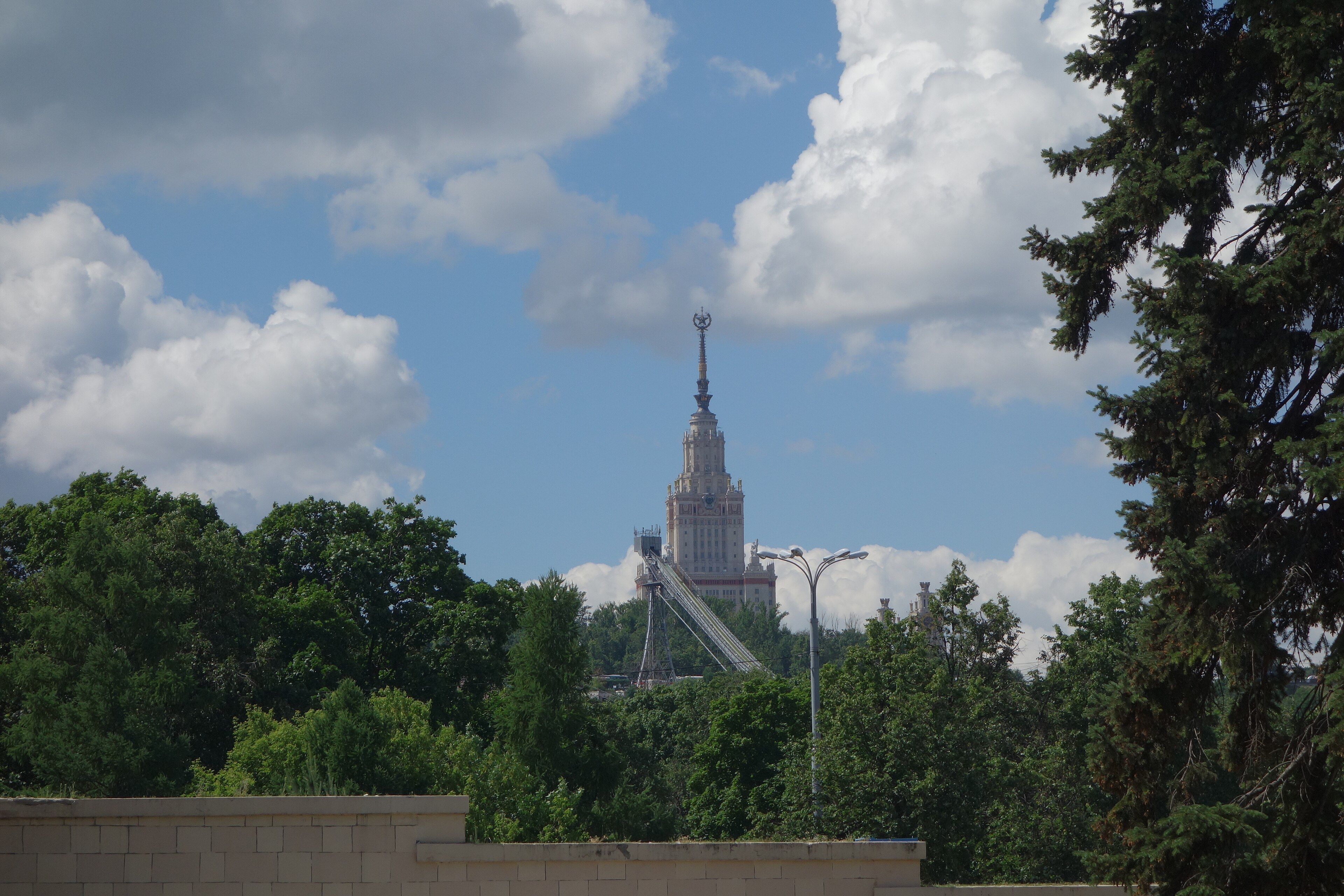
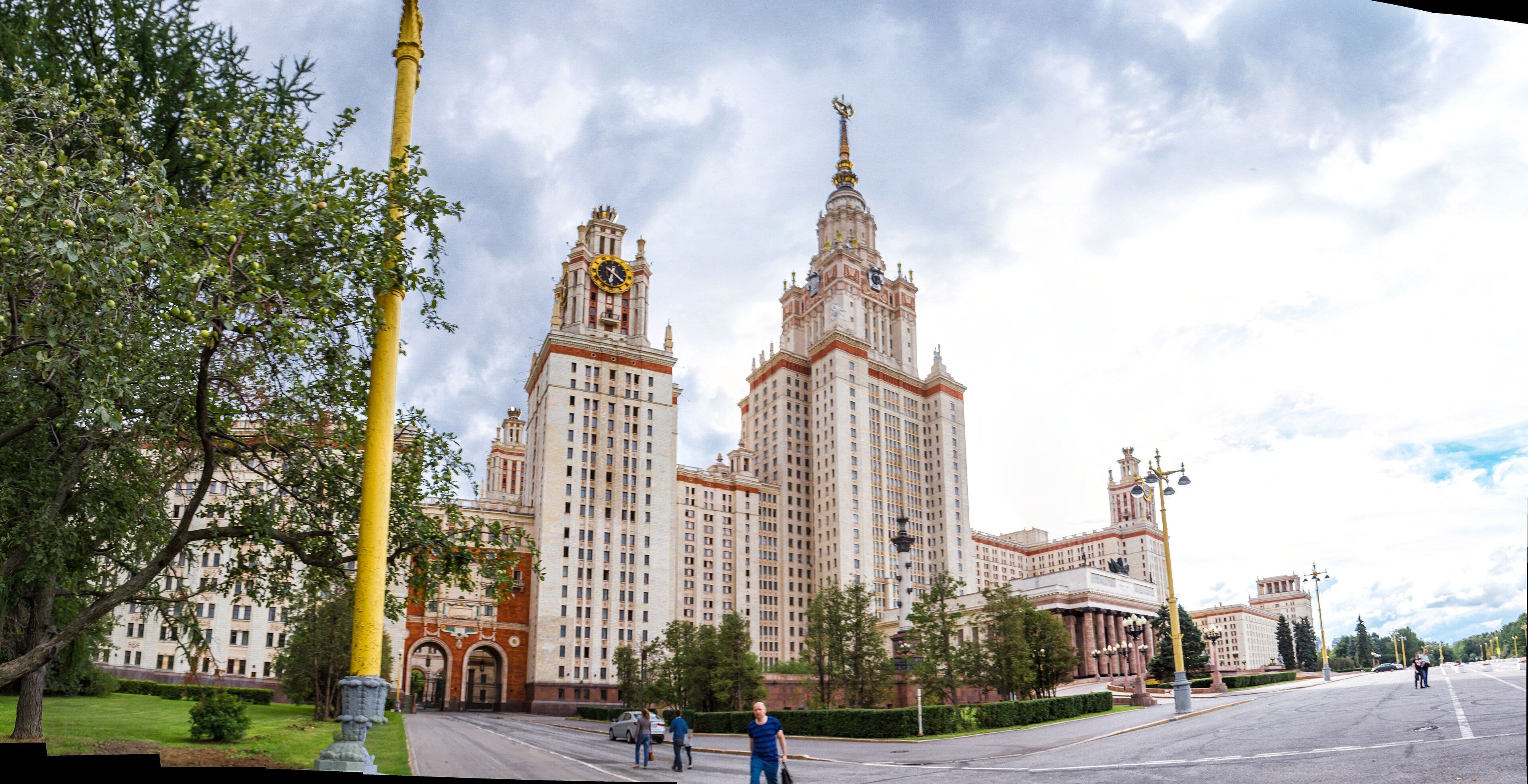
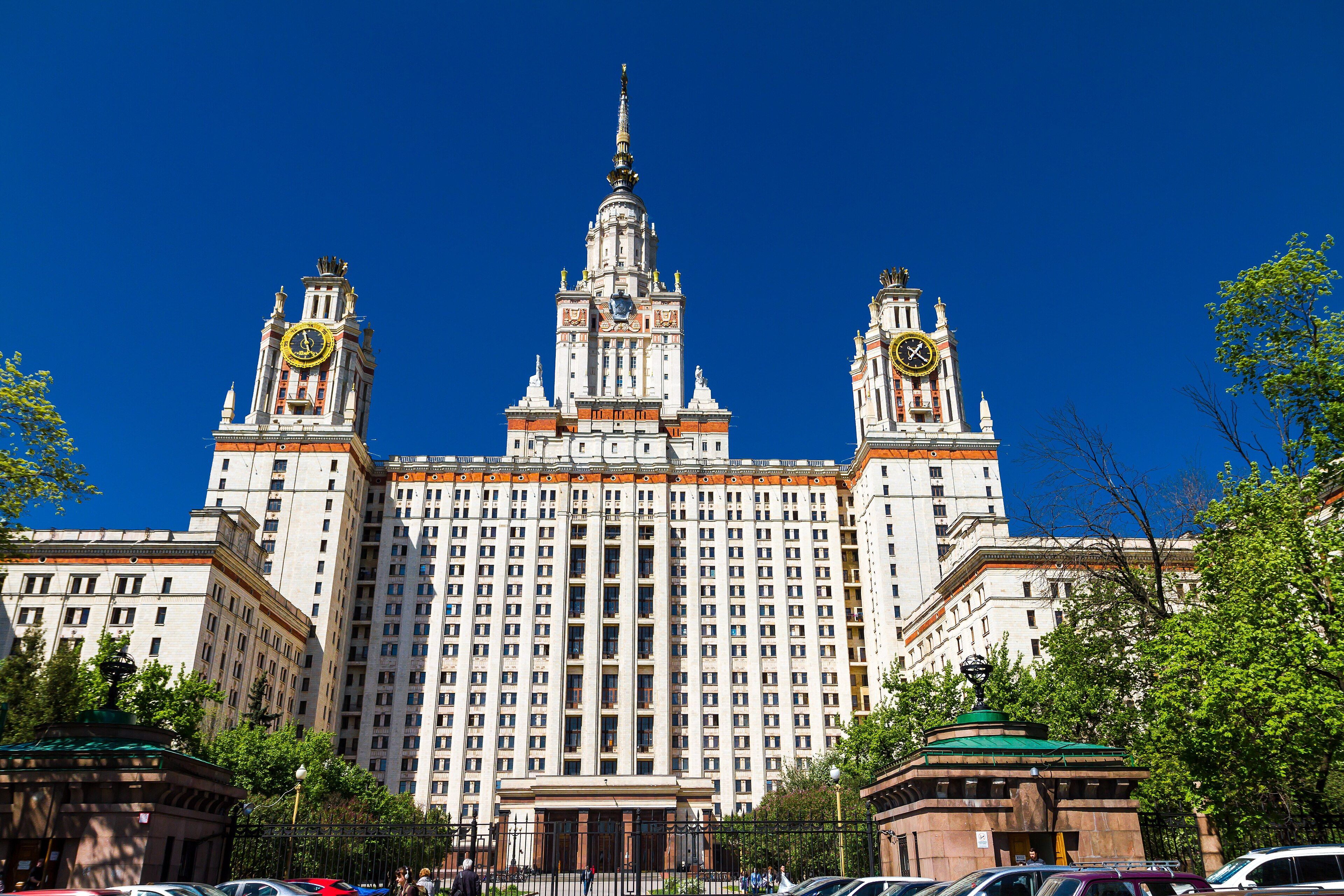
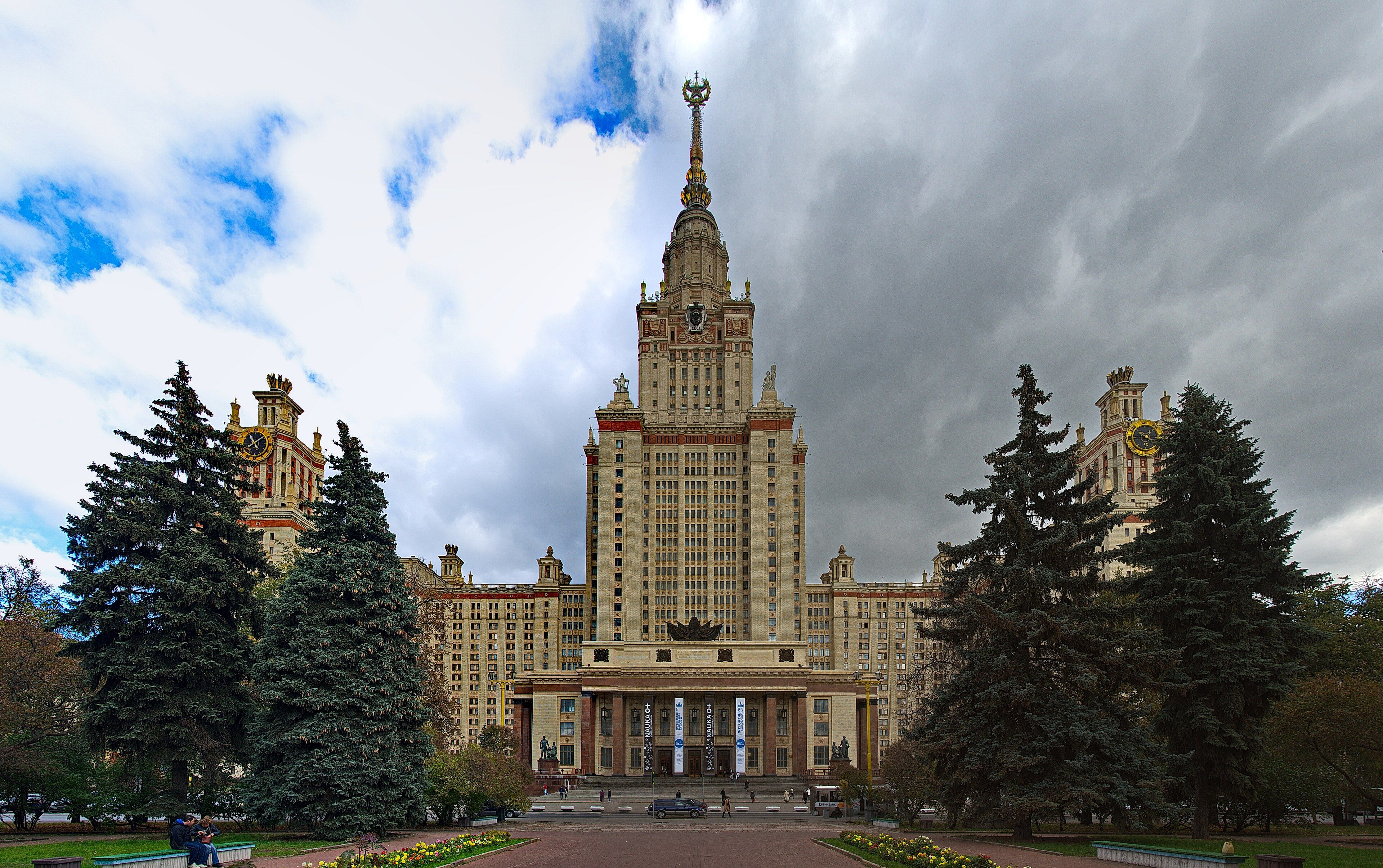
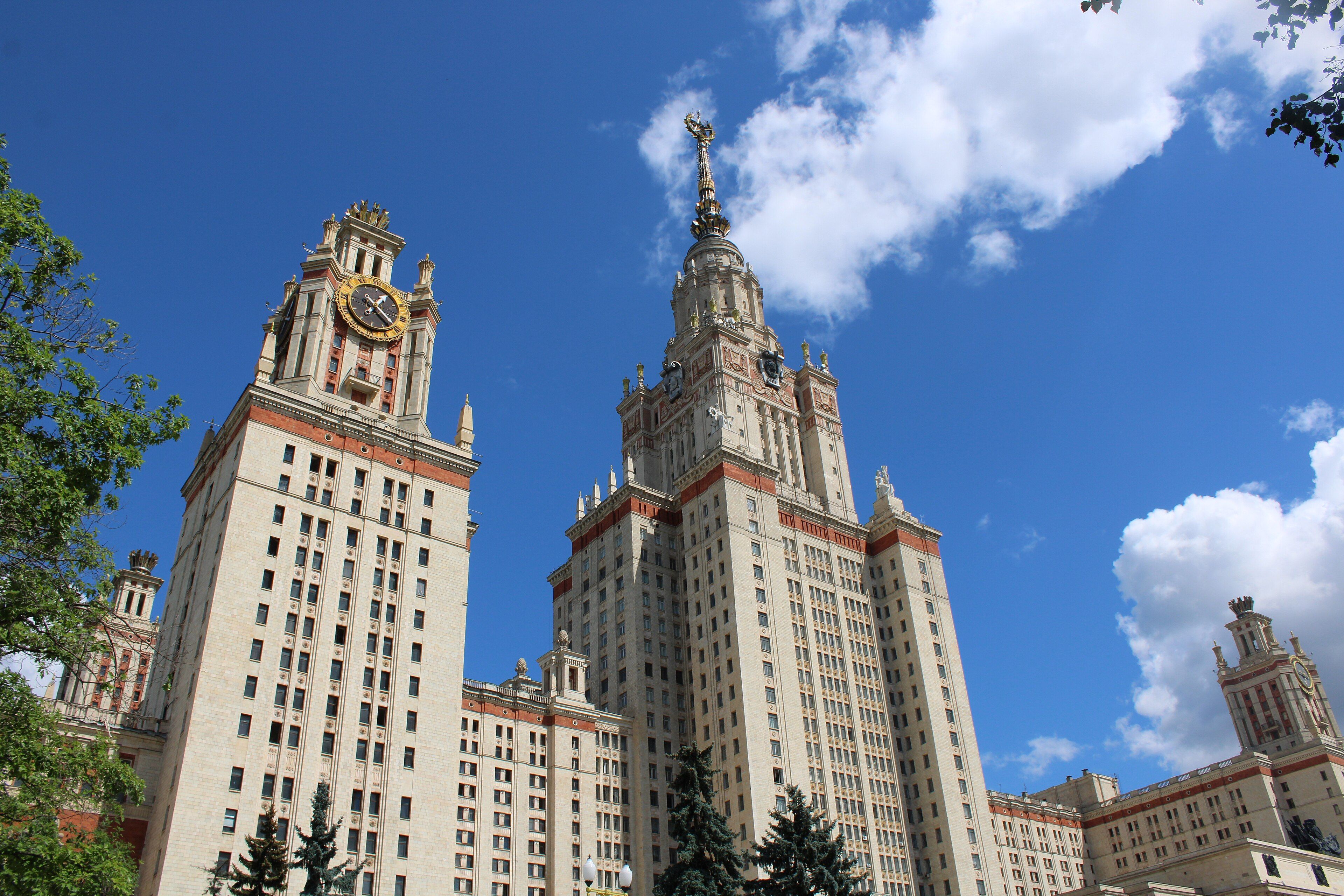
The tallest of the seven sisters. From 1953 to 1990 it was the tallest building in Europe, and it is still the tallest university building in the world.
Only with a student or staff pass and on organised tours. The grounds around it are open to everyone
Best view
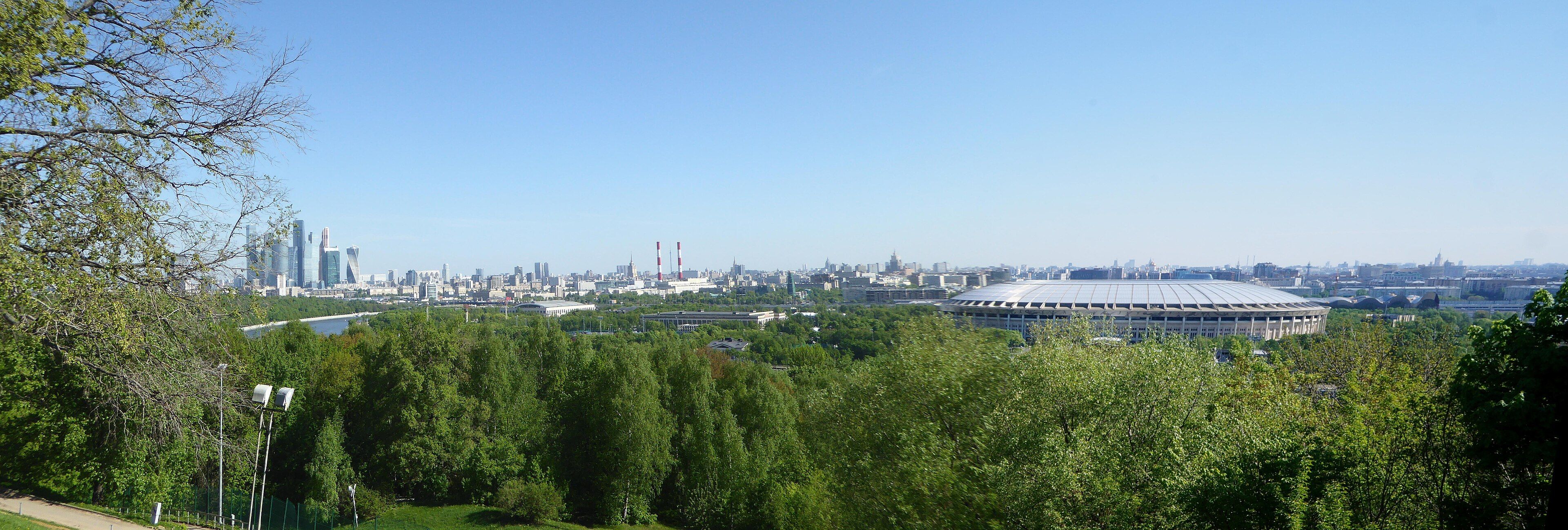
From the main avenue on the side of the Sparrow Hills viewpoint
How much time to allow
An hour for a walk around the building and another hour for the viewpoint
Architects
Lev Rudnev, Sergei Chernyshev, Pavel Abrosimov and Alexander Khryakov
History
It was decided to build the new home of Moscow University on the Sparrow Hills, at the highest point above the Moskva River. The project was first led by Boris Iofan, the author of the Palace of Soviets. He wanted to put the building on the very edge of the escarpment, but in 1948 he was removed. The project went to Lev Rudnev, and the building itself was moved several hundred metres back from the edge.
Construction lasted from 1949 to 1953 and was one of the largest in the country. Thousands of builders worked here, including Gulag prisoners and prisoners of war. A camp division was set up for them right next to the site.
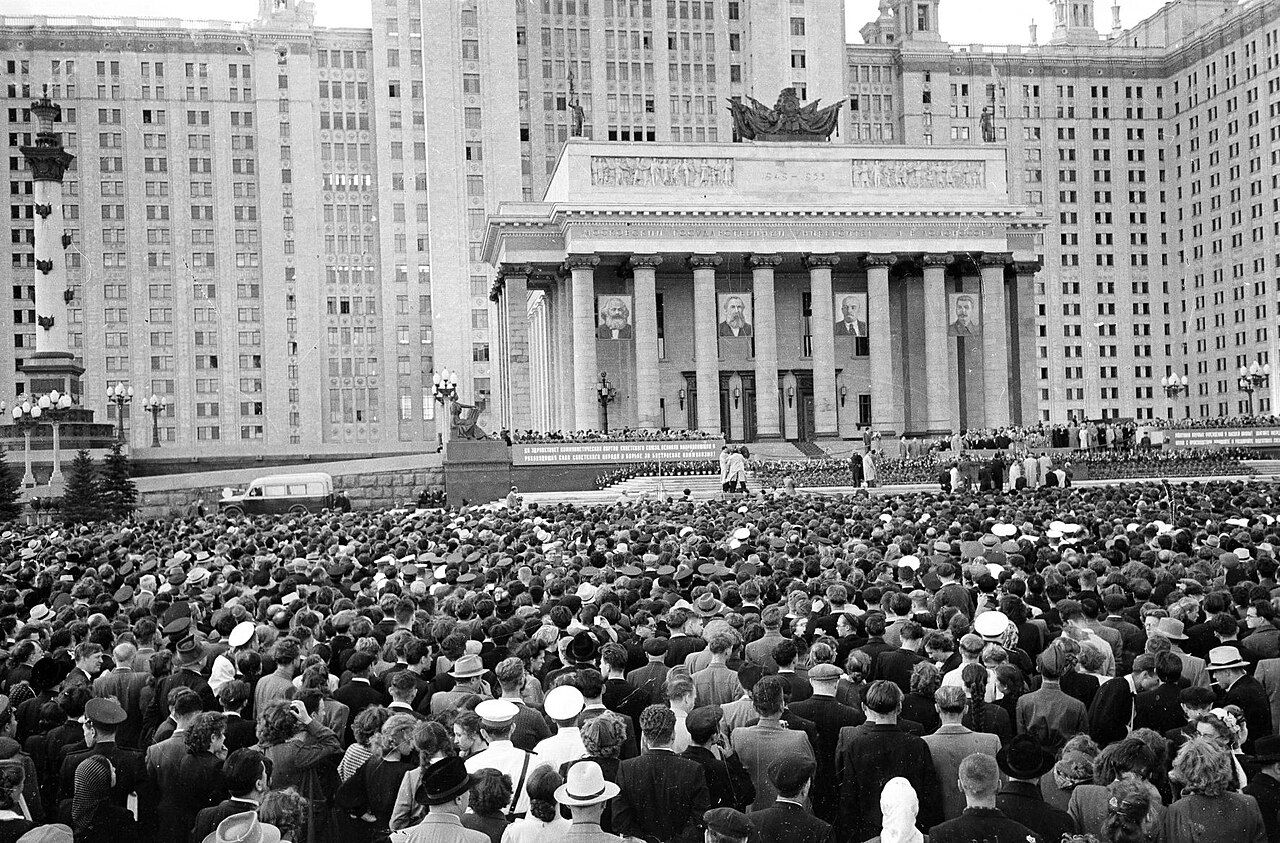
On 1 September 1953 the main building opened to students. It housed faculties, dormitories, a library, an assembly hall, canteens and even its own museum. The campus around it was conceived as a city within a city, where you could study, live and relax without leaving the grounds.
Until 1990 the building remained the tallest in Europe, when it was overtaken by the Messeturm in Frankfurt.
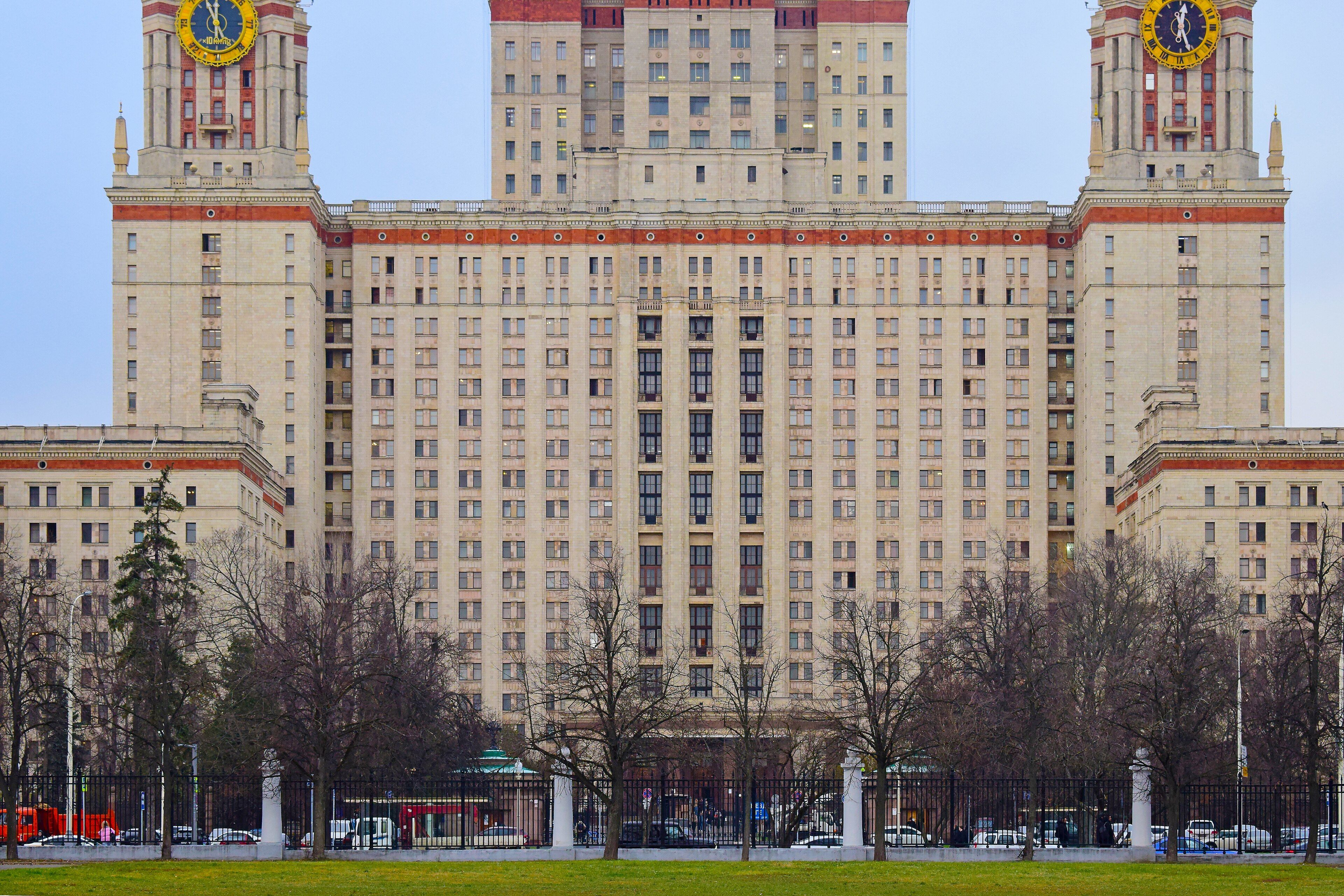
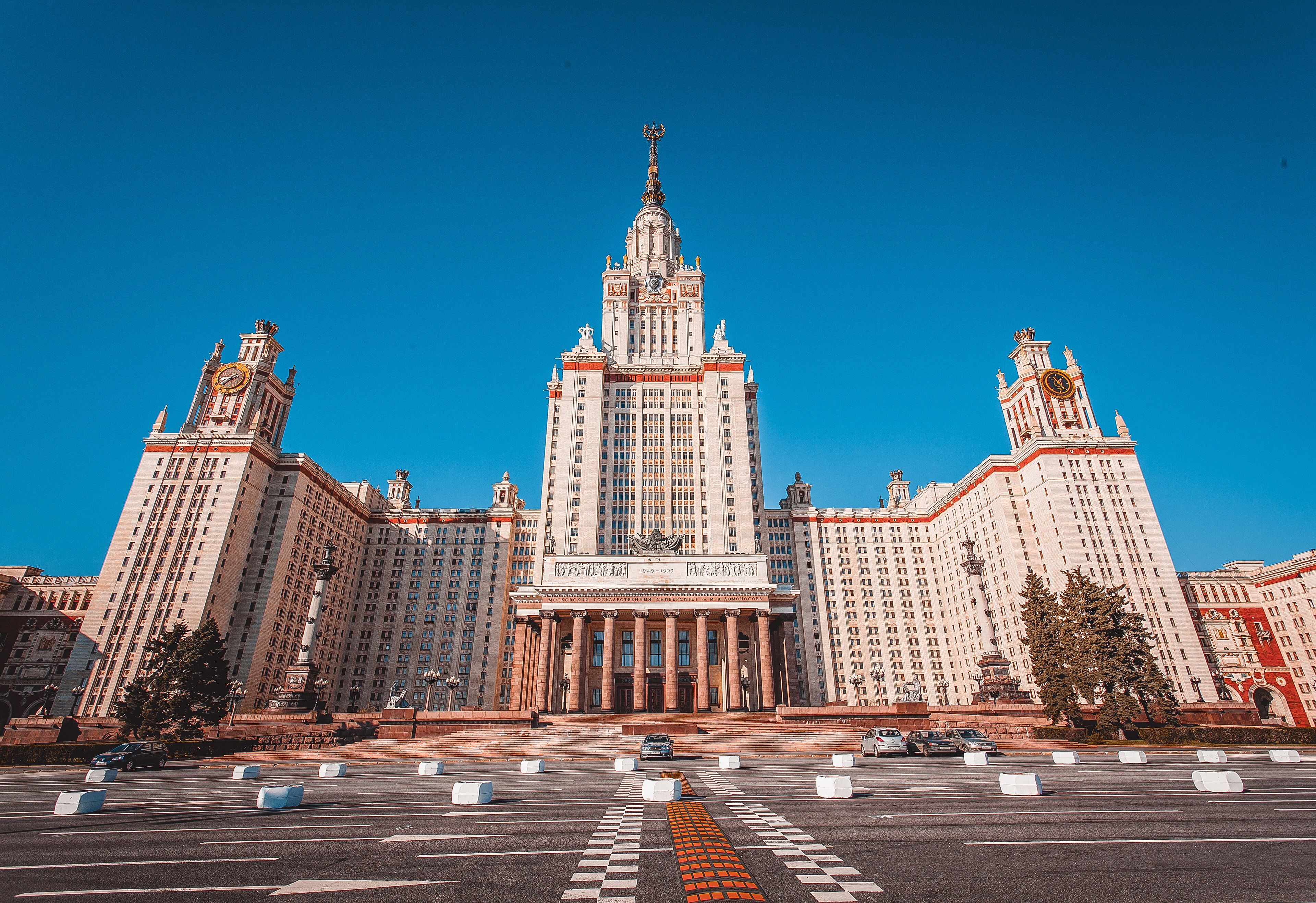
The central tower rises in tiers and ends in a spire with a star. Symmetrical wings spread out from it on both sides and enclose a huge main courtyard. The facades are clad in pale ceramic tiles and granite and decorated with sculptures.
240 mheight with spire
36floors in the central tower
12 tweight of the star on the spire
9 mclock face diameter, the largest clock in Moscow
Besides the clock, the tower has a thermometer and a barometer with equally huge dials. The upper floors of the tower, from the 24th to the 31st, house the Earth Science Museum with its collections of minerals, maps and stuffed animals.
What is inside and can you go in
Only holders of a university pass are let into the main building. An ordinary tourist can get inside on an organised tour or visit the museum with a group.
By booking
Earth Science Museum
The museum occupies floors 24 to 31 of the main building. It has minerals, palaeontological collections and large nature dioramas, and its windows look out over Moscow. You can visit with an organised group booked in advance.
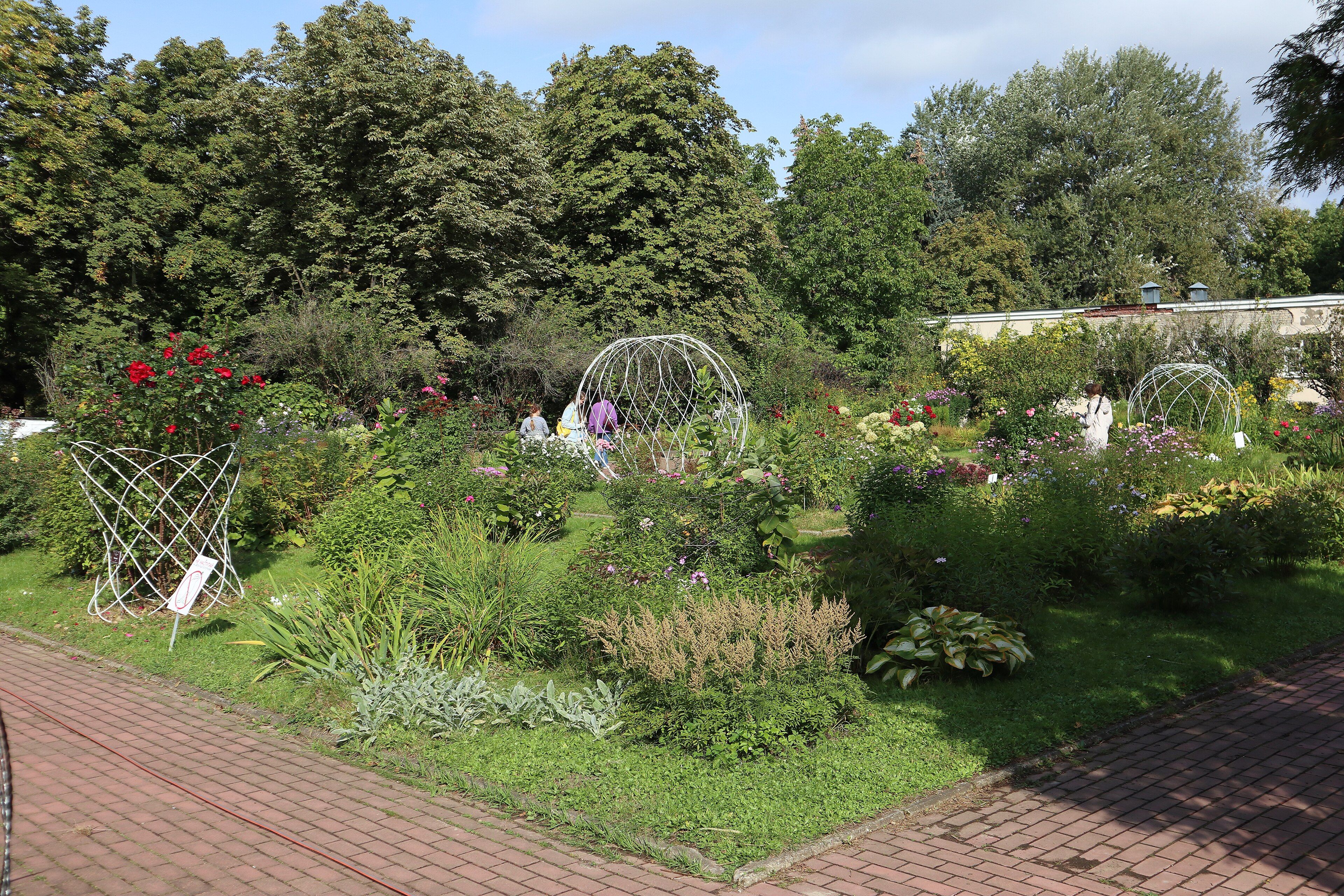
You can explore the main courtyard, the avenues lined with busts of scientists, the fountains and the botanical garden on your own. Guides lead walks around the building and tell you what is hidden inside.
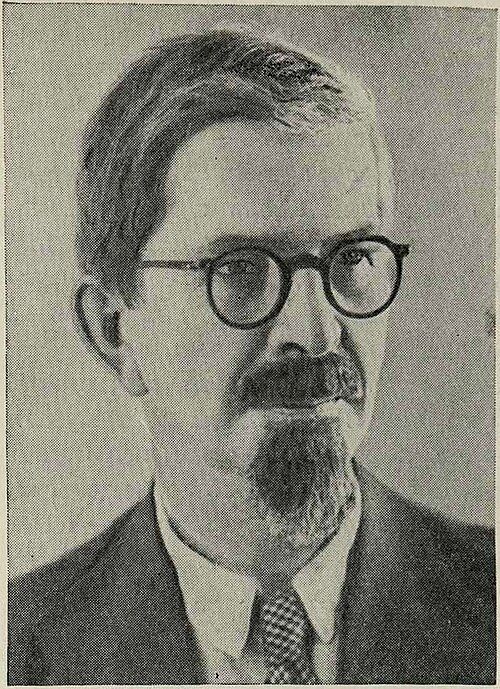
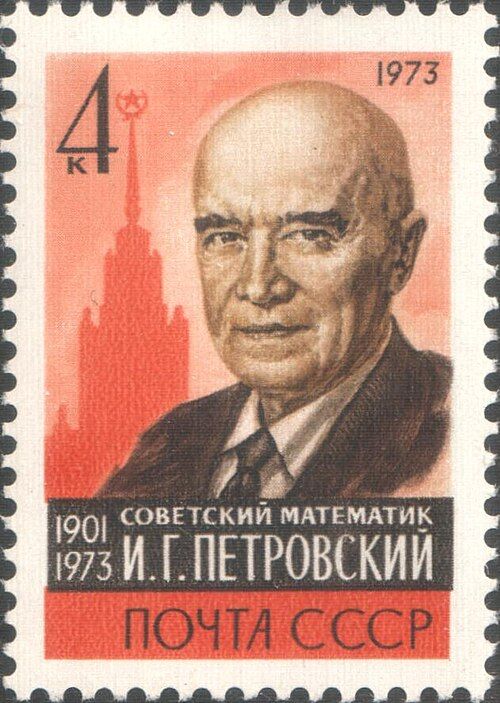
Two architects designed the Moscow State University Main Building, and rector Ivan Petrovsky was the first to run the university in its new home.
Lev Rudnev
Chief architect
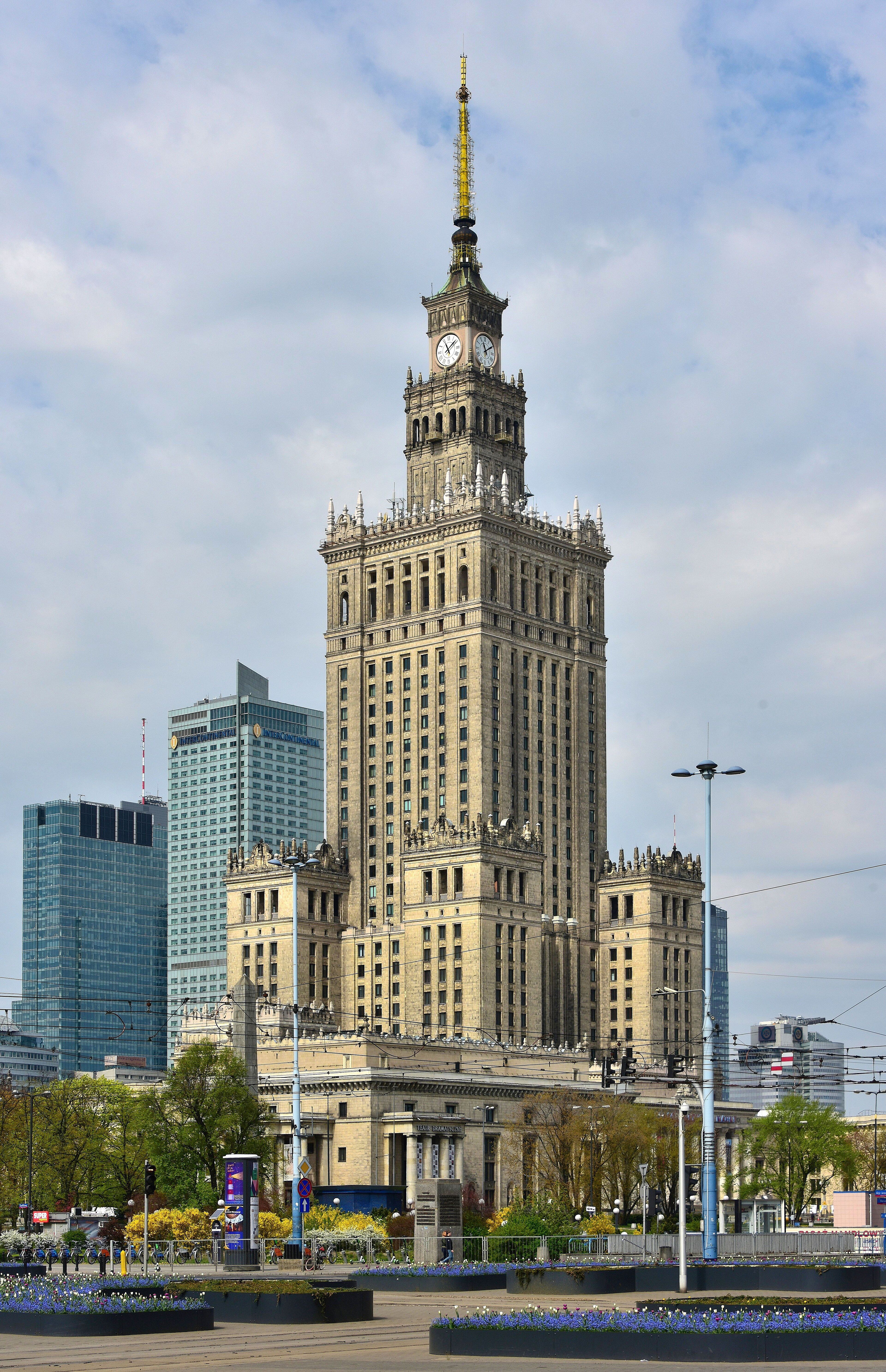
He led the project from 1948, when construction was moved back from the edge of the Sparrow Hills. He later built the Palace of Culture and Science in Warsaw to a similar design.
Boris Iofan
Author of the first design
The author of the Palace of Soviets, who was the first to design the university. He wanted to put the building right at the edge of the hill, but the architects considered the spot dangerous, and the project was handed to Rudnev.
Ivan Petrovsky
Rector of Moscow State University
A mathematician who ran the university from 1951 to 1973. Under him the faculties moved into the new building and professors settled in the corner blocks.
Professors and teaching staff have lived in the corner towers K, L, I and M since 1953. A total of 184 apartments were fitted out for them.
In film
In film the Moscow State University Main Building almost always stands for study, science and the big city. Here are films where you can see it well.
True Friends
1954KP8.5IMDb7.4
Directed by Mikhail Kalatozov
One of the university’s first appearances on screen. The film opens with a panorama of postwar Moscow, and the new university building takes centre stage.
The Man from Nowhere
1961KP6.9IMDb6.3
Directed by Eldar Ryazanov
A science fiction comedy about a savage whom scientists bring to Moscow. The first place he is taken is the Moscow State University Main Building, and later he wins an athletics competition.
Black Lightning
2009KP5.4IMDb5.6
Directed by Alexander Voitinsky and Dmitry Kiselev
A New Year film about a Moscow State University student whose father gives him an old Volga car. The car turns out to fly, and the hero becomes the first Russian superhero.
A Good Day to Die Hard
2013KP4.9IMDb5.2
Directed by John Moore
Bruce Willis in Moscow. In the story a helicopter attacks Hotel Ukraina, but the visual effects mistakenly show the Moscow State University Main Building instead.
Legends
A city under the ground
It is said that the university has dozens of underground floors and a secret metro line. Guides and engineers who have studied the building consider this an exaggeration. There really is a deep foundation and technical floors under the building, but no underground city.
Frozen ground
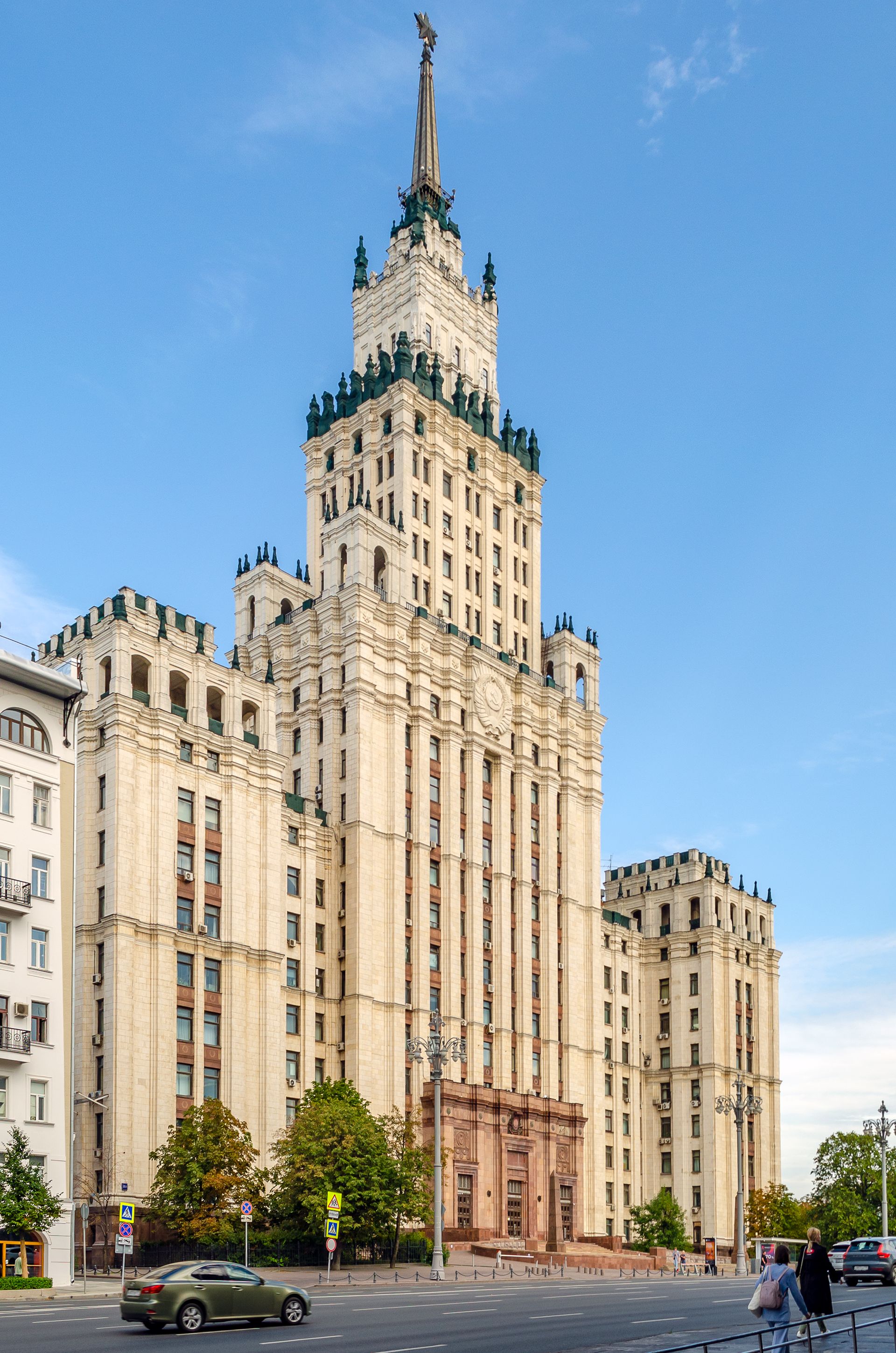
A popular tale says that huge refrigerators under the foundation keep the ground frozen, or else the building would slide into the river. This is a myth. The building stands on a massive box-shaped slab, and ground freezing during construction was used at the Red Gates building.
Lomonosov instead of a spire
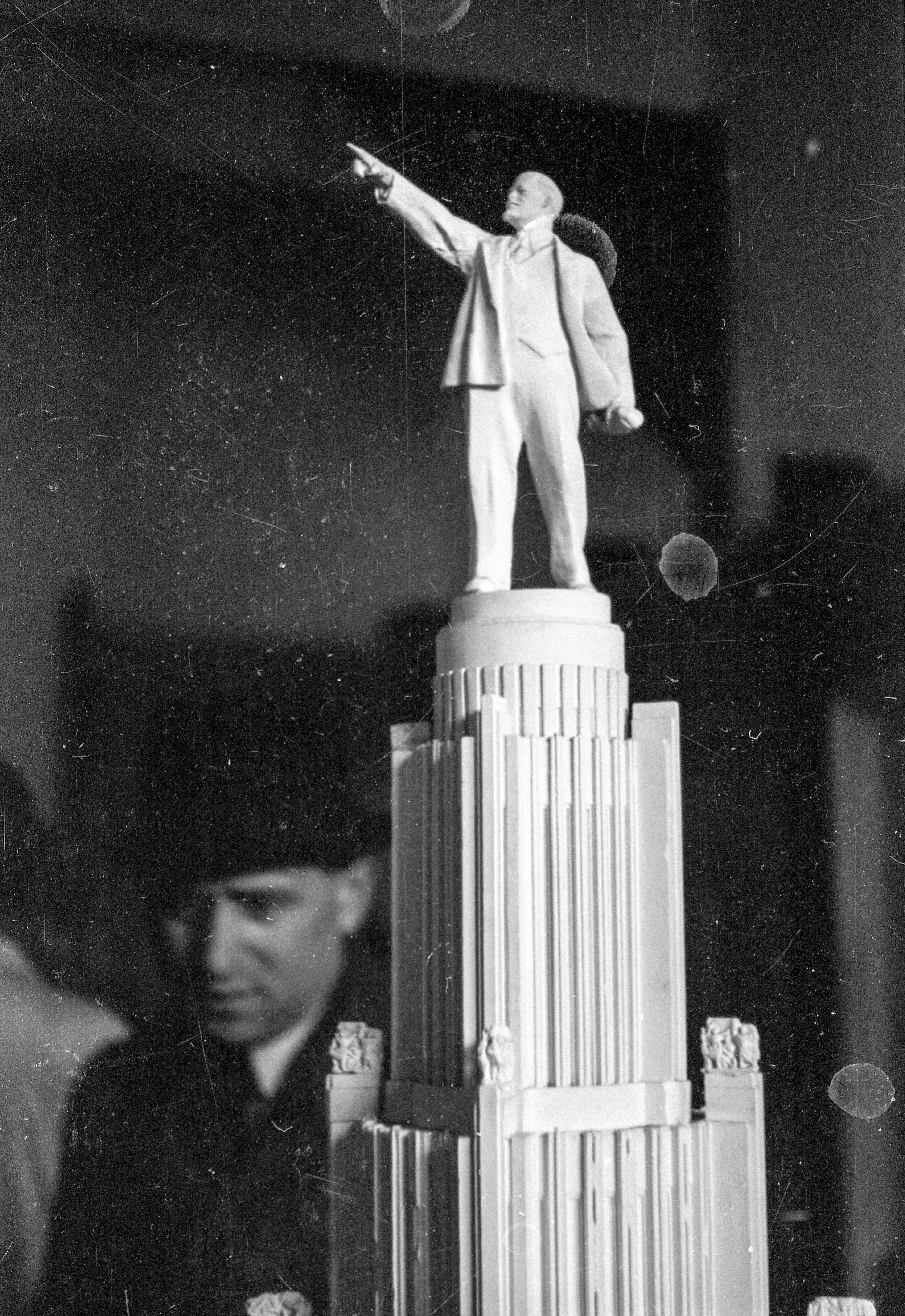
According to university legend, the building was to be crowned with a huge statue. Stalin did not like the idea and ordered a spire like on the other skyscrapers. That is how the university got its star, and the sculpture was dropped.
Columns from the Cathedral of Christ the Saviour
It is said that the four jasper columns in the rector’s area were taken from the demolished Cathedral of Christ the Saviour. Historians consider this a pretty myth, since the cathedral had no jasper columns.
Students who never go outside
The building has canteens, shops, a post office, a swimming pool, a clinic and dormitories. That is why students have long joked that you could go years without ever stepping outside, and the joke has real examples.
Where to take photos
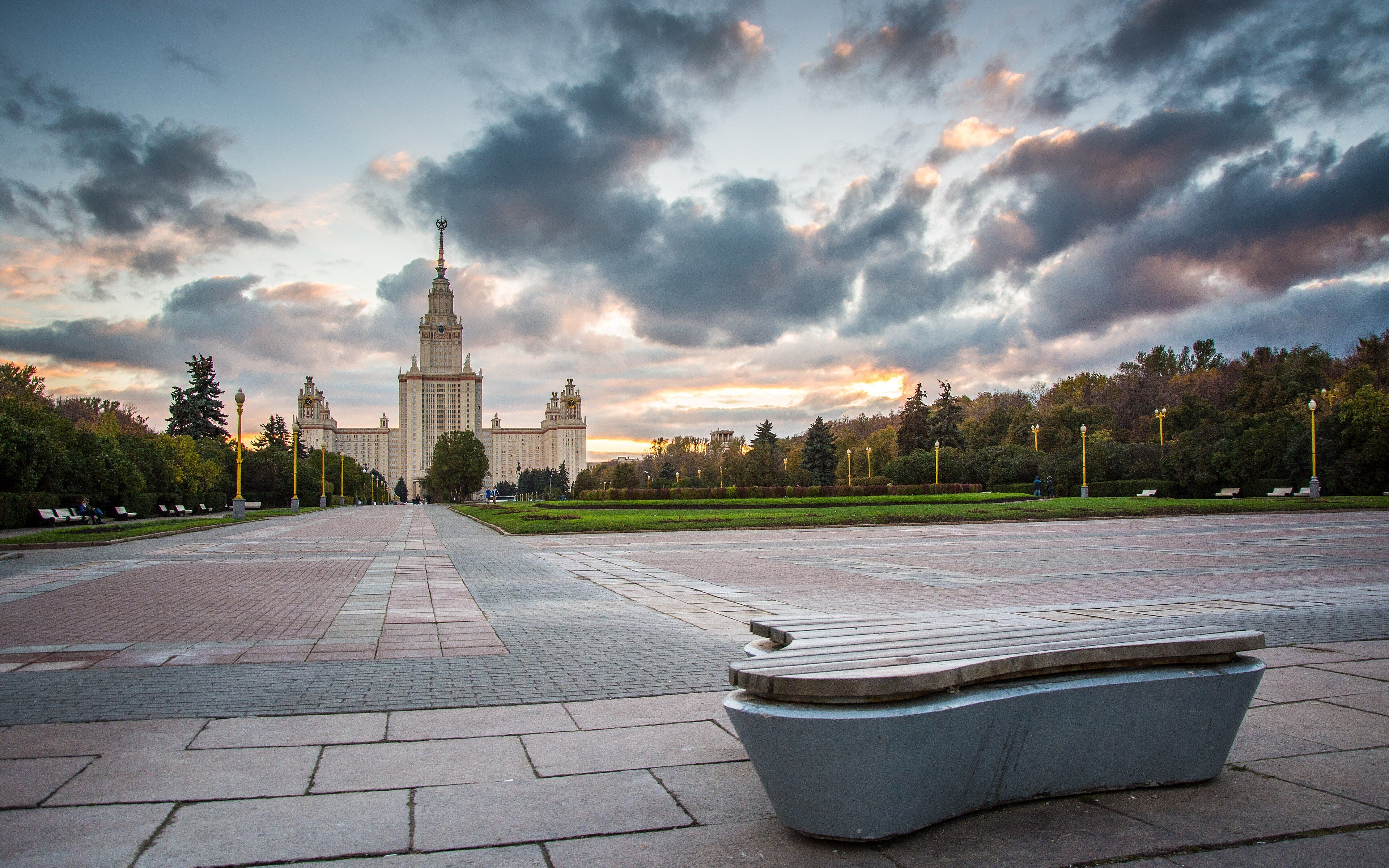
The building is huge, so it is best shot from a distance and from the centre of its main axis.
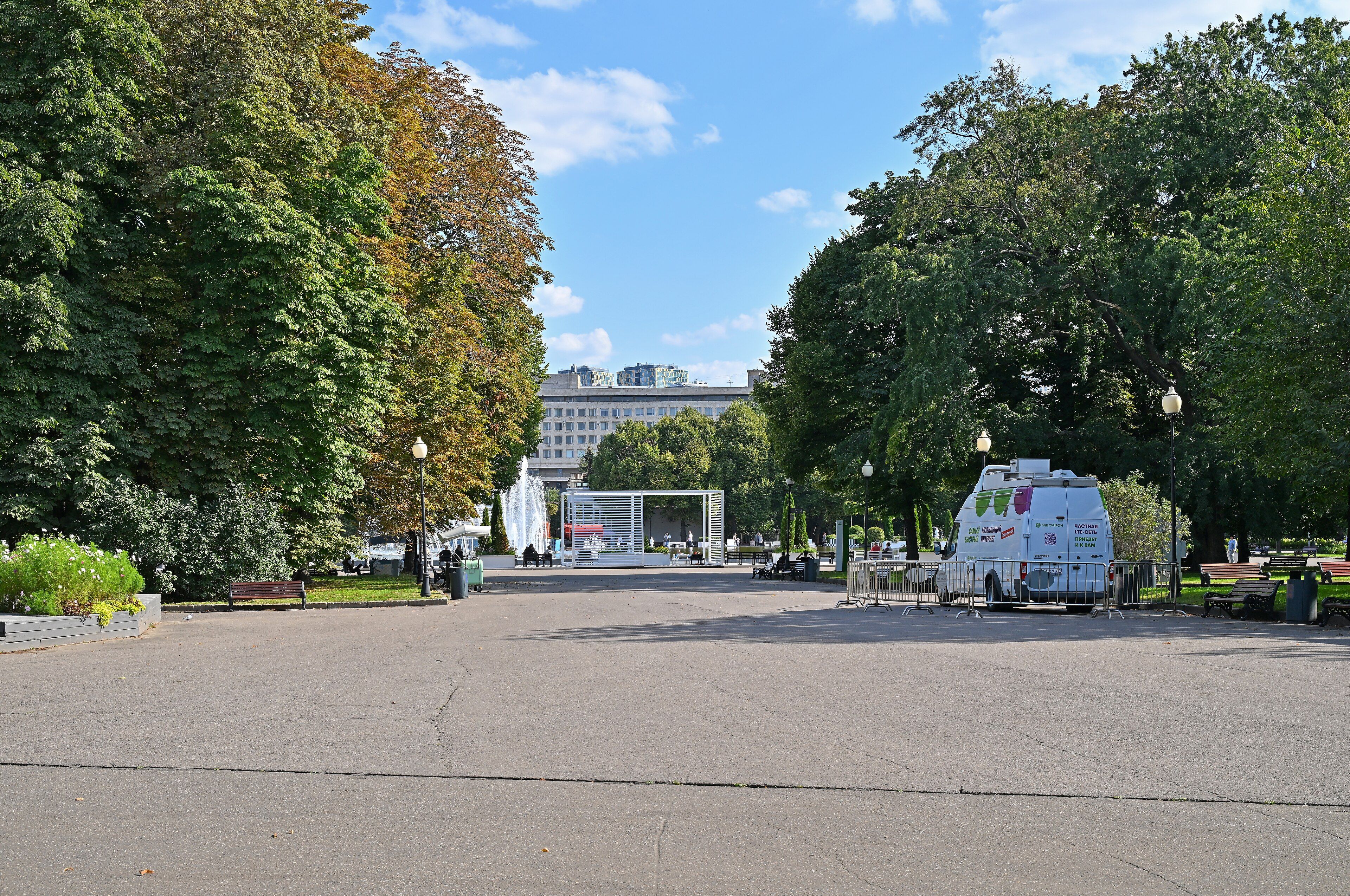
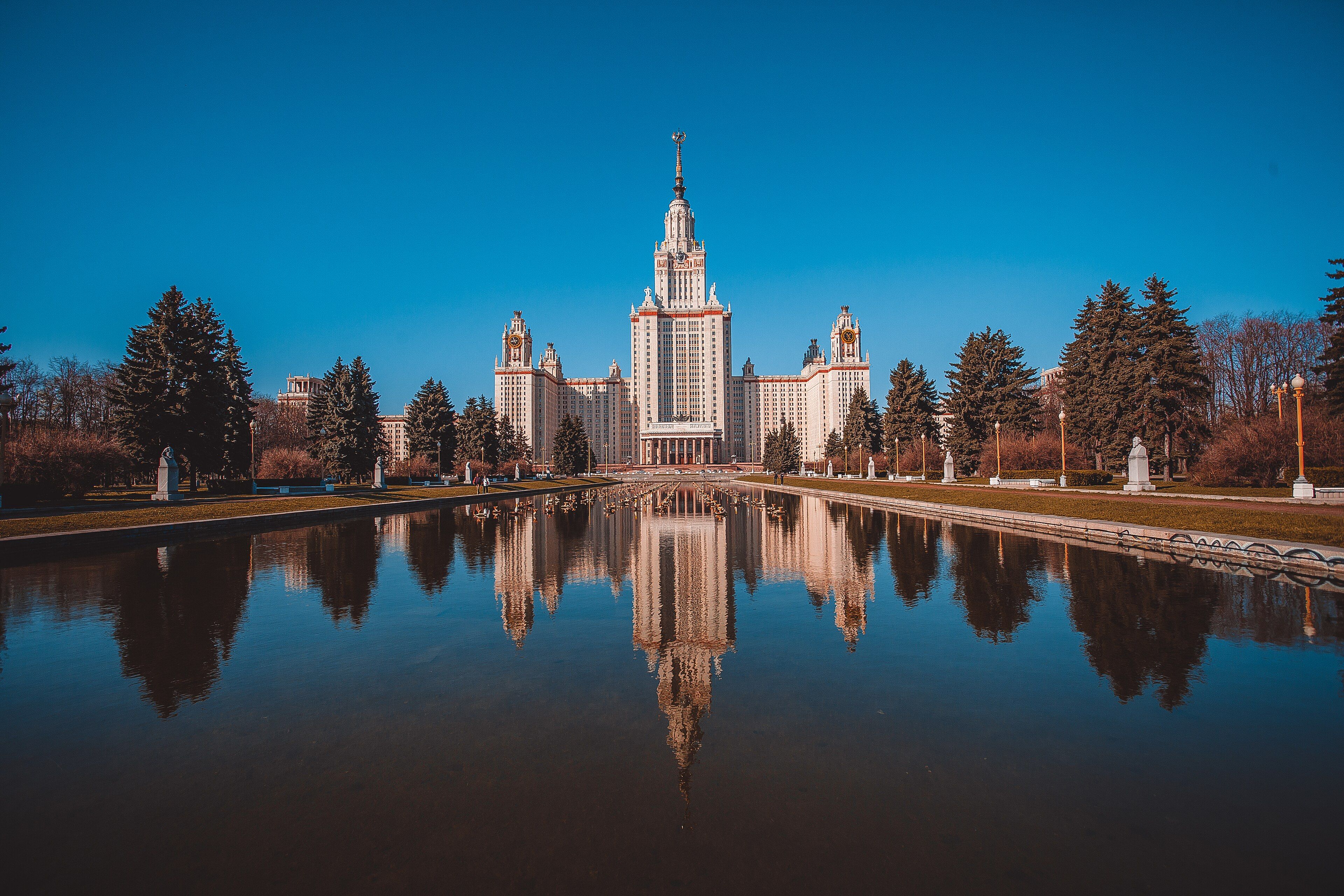
A straight avenue with fountains leads from the Sparrow Hills viewpoint to the university. From here the building is seen in full and perfectly symmetrical.
The fountains in front of the main entrance
On a calm day the tower is reflected in the fountains. The best light is in the evening, when the sun lights up the facade.
Lomonosovsky Prospekt
From the avenue you see the side of the building with its dormitory wings. From here you really understand how vast the whole complex is.
Where to stay nearby
There are few hotels right by the university, but the metro is close and the centre is about 20 minutes away.
Hotels near Universitet metro
A quiet green district near the skyscraper, with a direct metro line to the Kremlin.
Can you go inside the Moscow State University Main Building?
There is no free entry, and passes are checked at the entrance. Tourists get inside on organised tours and can visit the Earth Science Museum with a group booked in advance. The grounds around the building are open to everyone.
How tall is the Moscow State University Main Building?
240 metres including the spire and star. It is the tallest of the seven Stalinist skyscrapers.
How do I get to Moscow State University by metro?
The nearest stations are Universitet on the red line and Lomonosovsky Prospekt on the yellow line. They are 15 and 20 minutes away on foot.
What is there to see near Moscow State University?
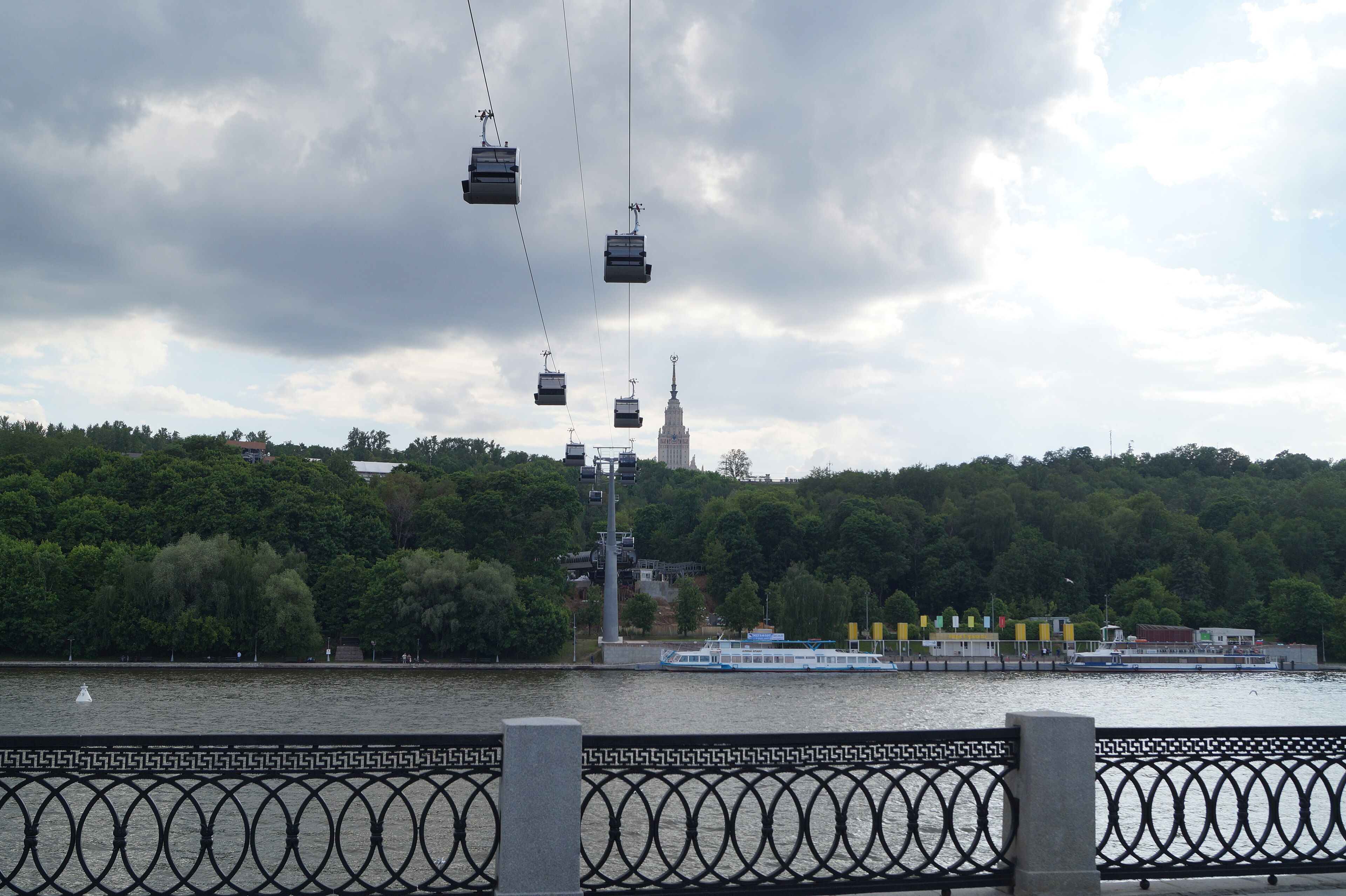
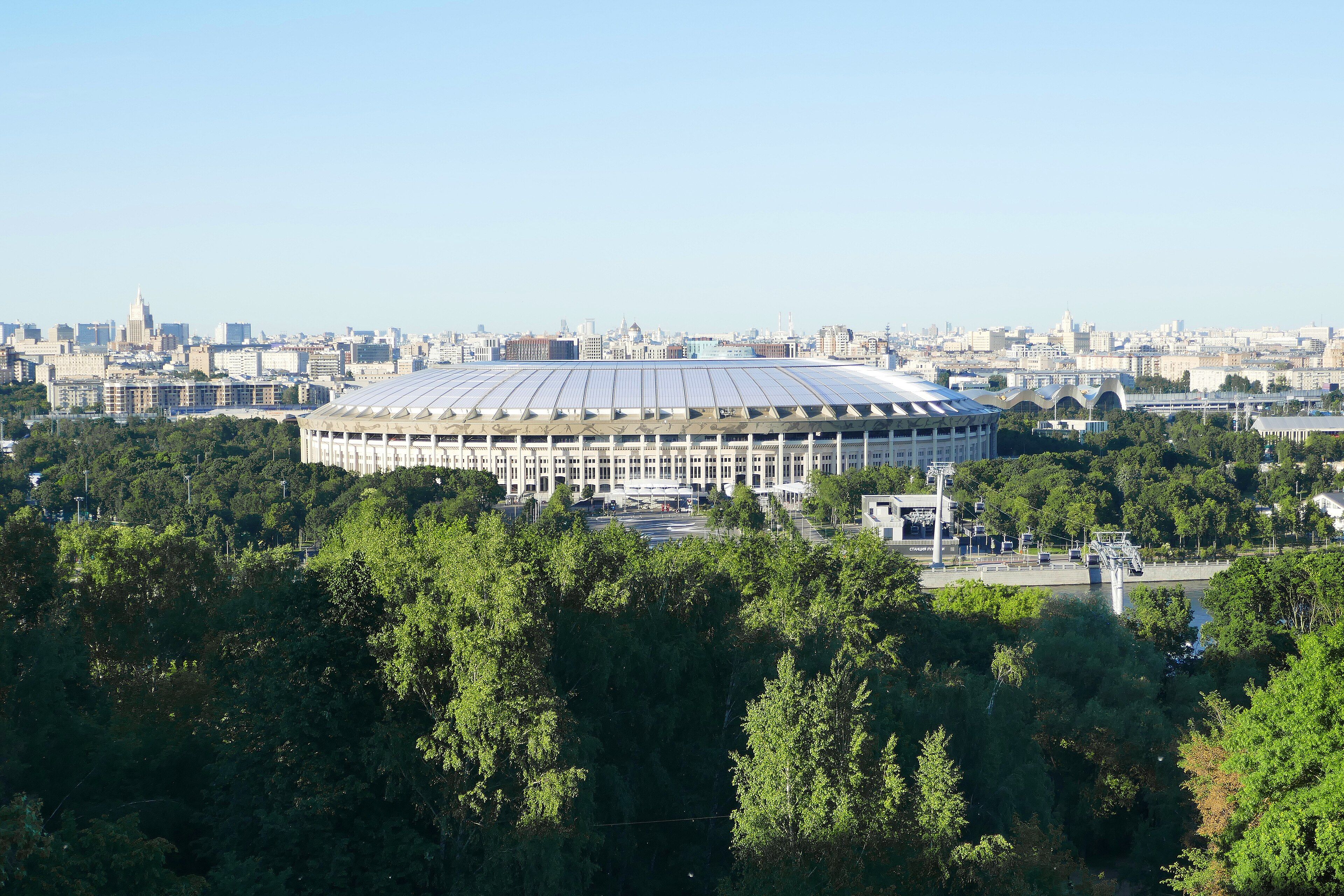
The Sparrow Hills viewpoint, the cable car across the Moskva River and Luzhniki Stadium. You can see it all in one day.
When is the best time to photograph the university?
In the evening in clear weather, when the sun lights up the main facade. The most striking angle is from the main avenue on the side of the viewpoint.
Who lives in the Moscow State University Main Building?
The side blocks hold dormitories for students and graduate students, and since 1953 university professors and teaching staff have lived in the corner towers.



 By booking