
 Open
Warsaw
Palace of Culture and Science
The tallest and best-known sister of the Moscow skyscrapers abroad. It was built as a gift from the Soviet Union to Poland, and today it is one of the landmarks of Warsaw.
Outside
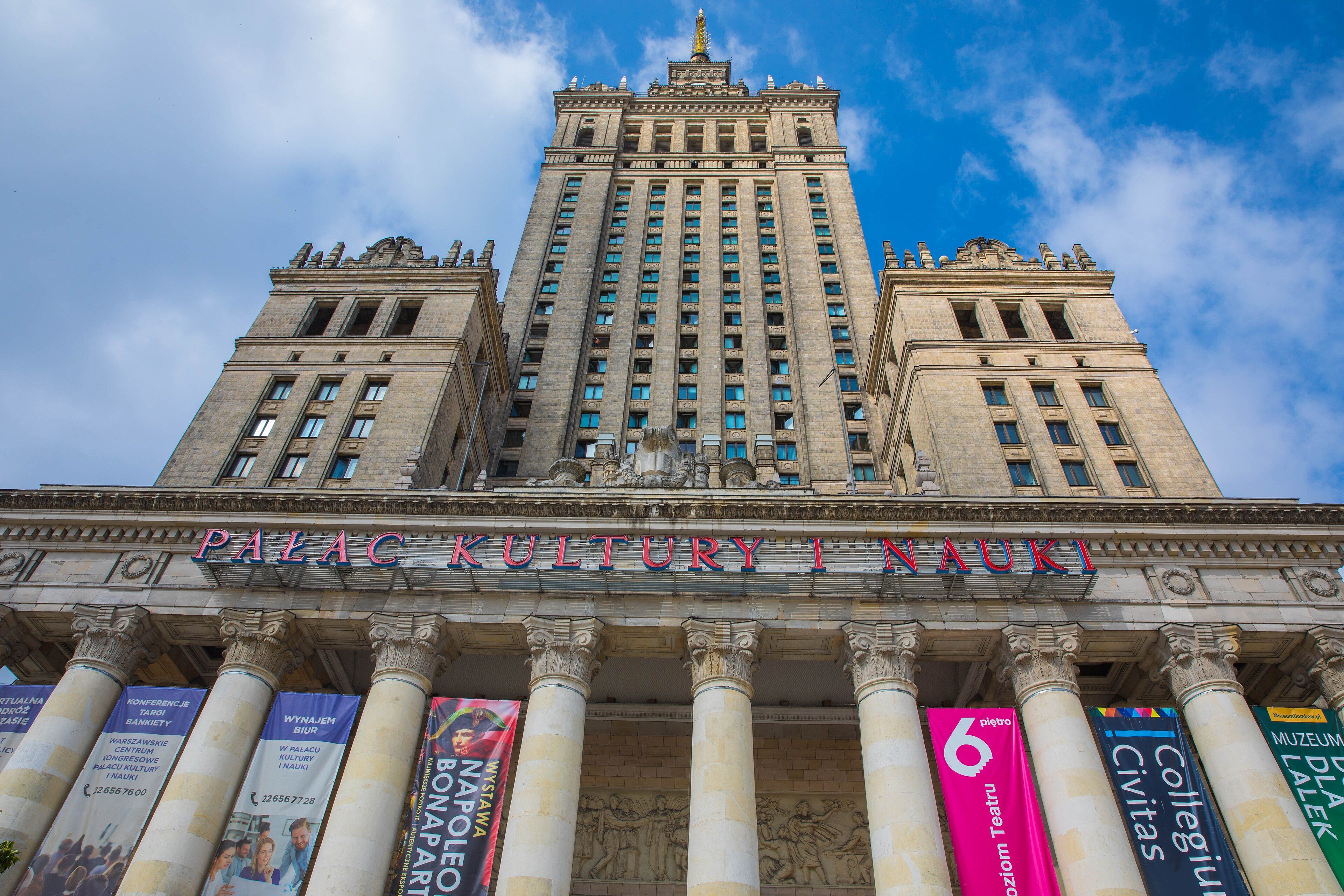
The Palace of Culture and Science in Warsaw © Adrian Grycuk, CC BY-SA 3.0 pl
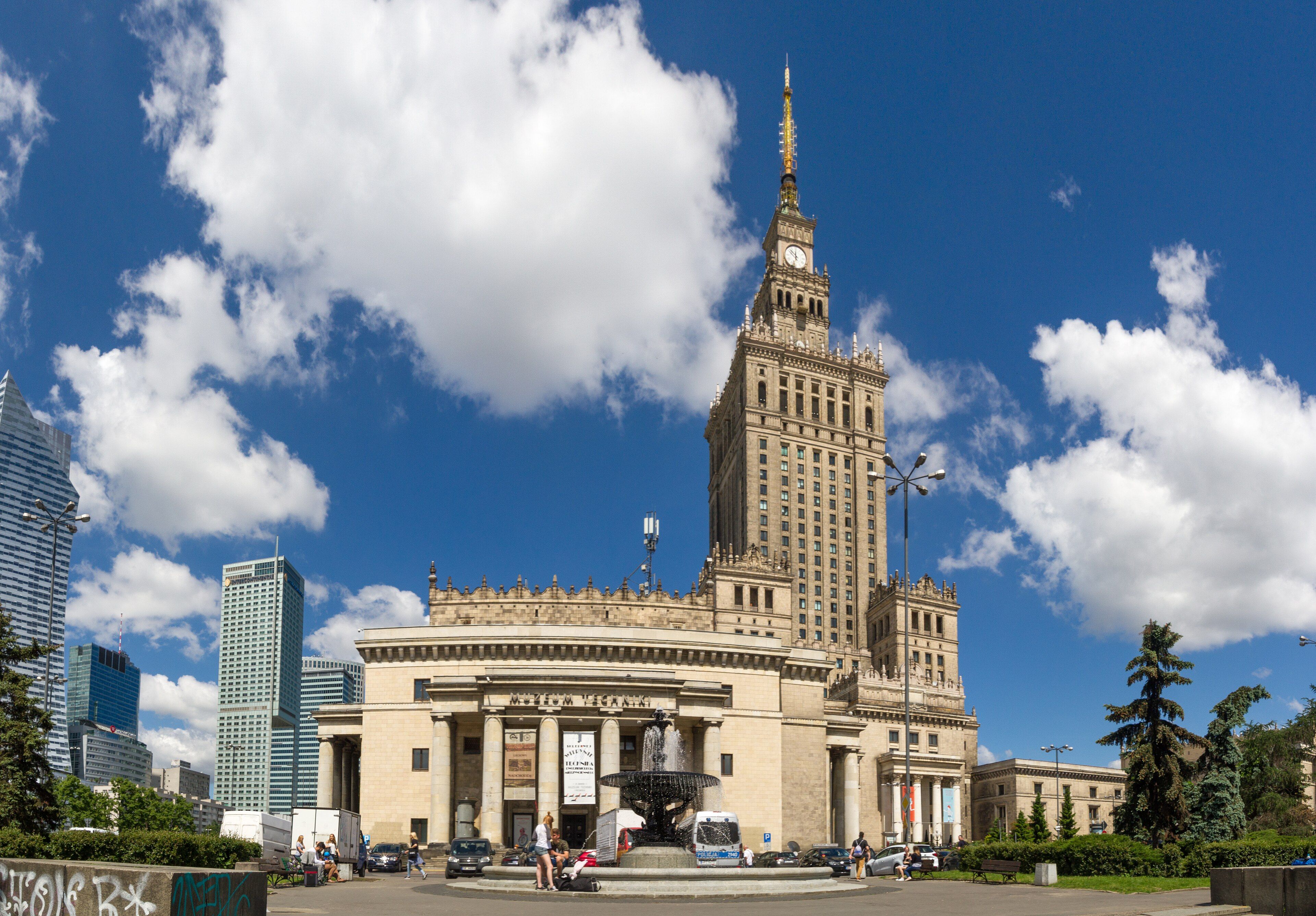
The Palace of Culture and Science and the clouds © Maksym Kozlenko, CC BY-SA 4.0
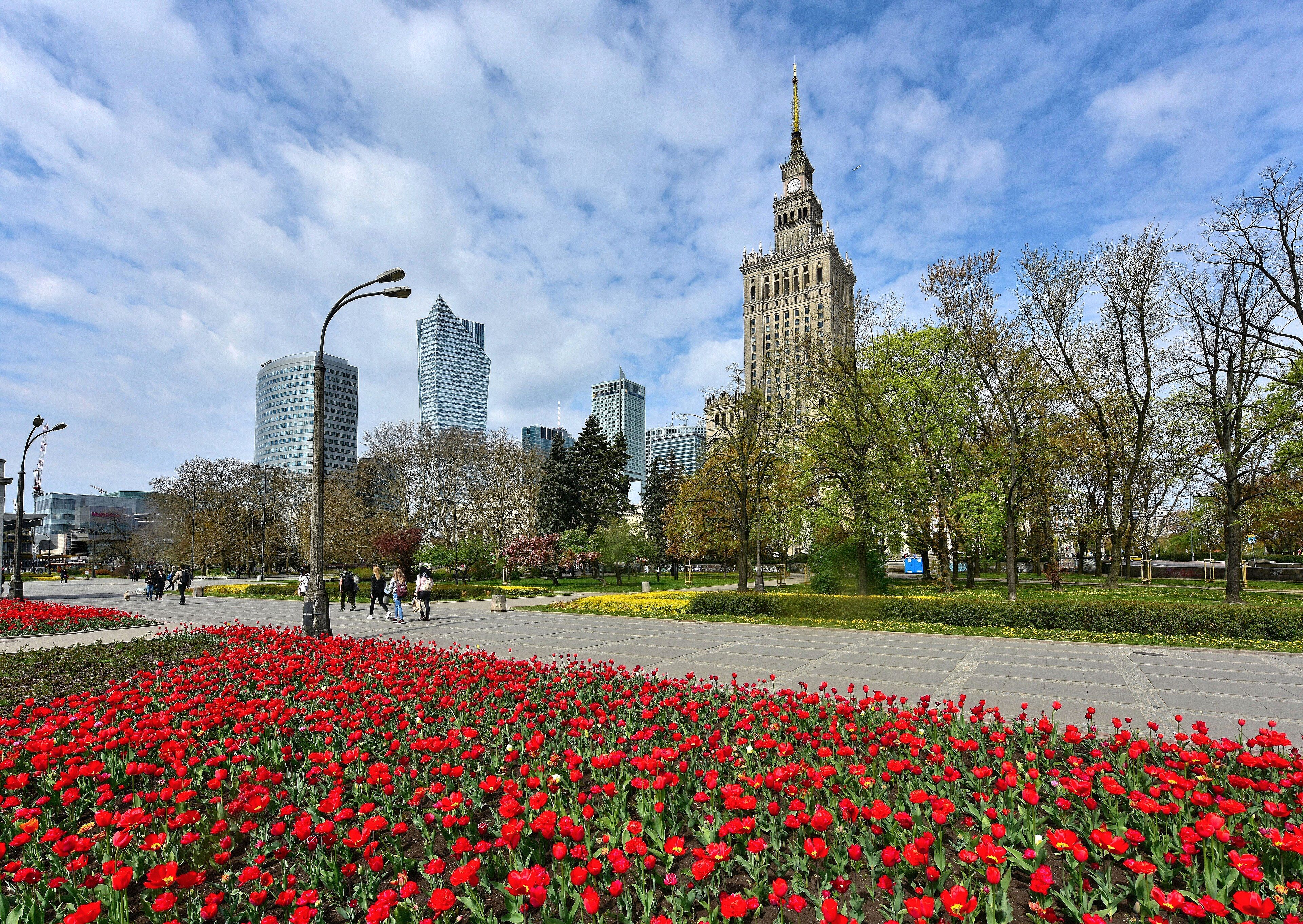
The palace and flowers on the square © Adrian Grycuk, CC BY-SA 3.0 pl
The colonnade at the palace entrance © European People's Party, CC BY 2.0
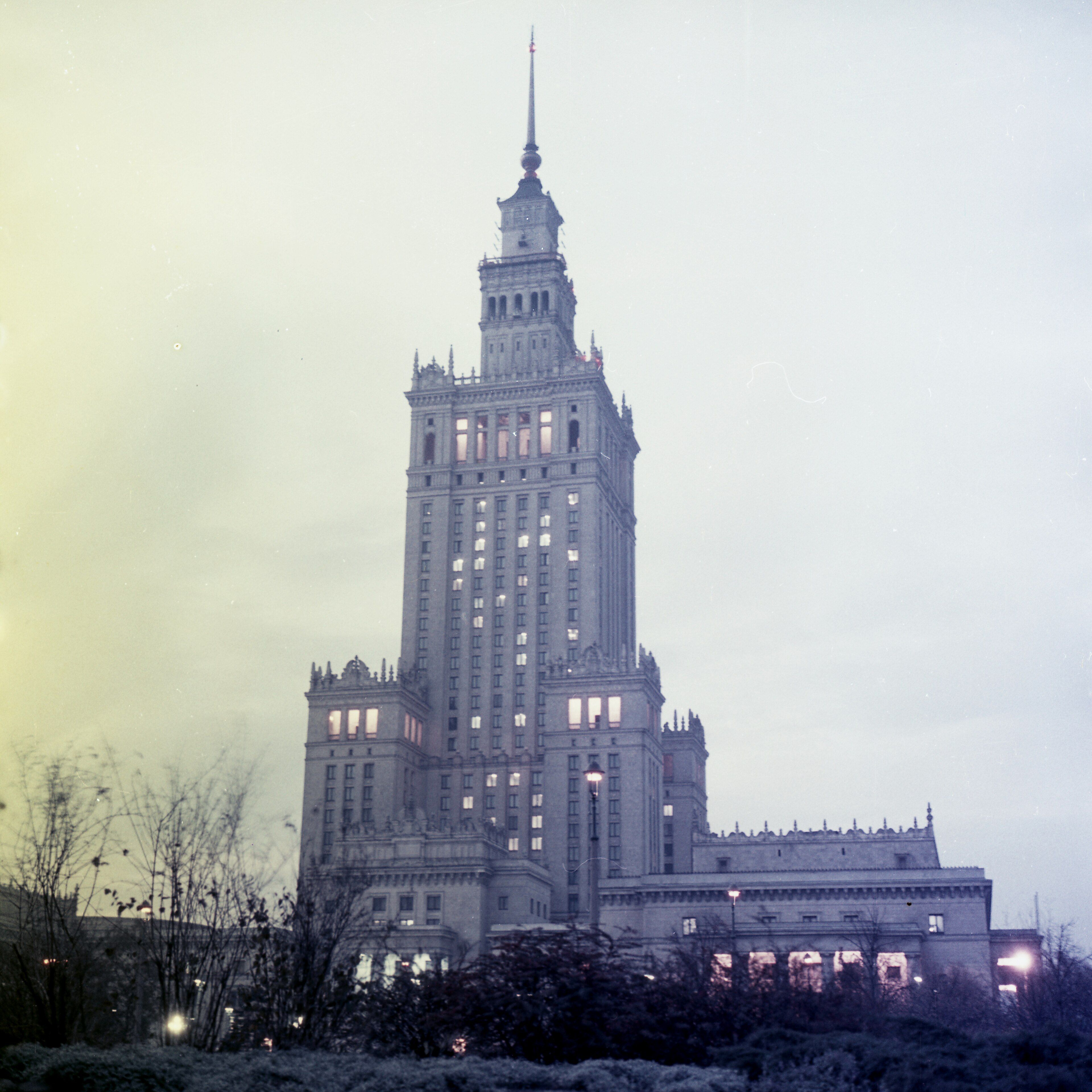
The Palace of Culture and Science in the 1950s © Fortepan, Nagy Gyula, CC BY-SA 3.0
At a glance
- Can you go in
- Yes. Inside there are theatres, a cinema, museums and a viewing terrace, and the halls are free to enter
- Best view
- From Parade Square and from the roofs of neighbouring skyscrapers
- How much time to allow
- 1 to 2 hours including the viewing terrace
- Architect
- Lev Rudnev, architect of the Moscow State University Main Building
History
The palace was built from 1952 to 1955 as “a gift from the Soviet people to the Polish people”. It was designed by Lev Rudnev, the architect of the Moscow State University Main Building, so the resemblance to the Moscow university is striking.
Before designing it, the architects travelled around old Polish towns and studied the local architecture. Hence the attics and details in the spirit of the Polish Renaissance that the Moscow sisters do not have.
Several thousand workers from the USSR built it, and a separate settlement was put up for them nearby. The palace opened in July 1955.
For decades it was the tallest building in Poland. Poles had mixed feelings about it, and a long-running Warsaw joke said that the best view of the city was from the palace terrace, because from there you cannot see the palace itself.
© Fortepan, Nagy Gyula, CC BY-SA 3.0Architecture and numbers
The tower rises in tiers to its spire, with lower blocks housing theatres and halls on either side. In 2000 a clock was added to the tower, one of the highest in Europe.
237 mheight with spire
42floors
30floor of the viewing terrace
1955year opened
What is inside and can you go in
The palace is open to everyone. Inside there are theatres, a cinema, museums and a concert hall.
Open
 Open
Theatres, cinema and museums
The building houses several theatres, a cinema, the Museum of Technology and a Congress Hall with three thousand seats.
People behind the palace
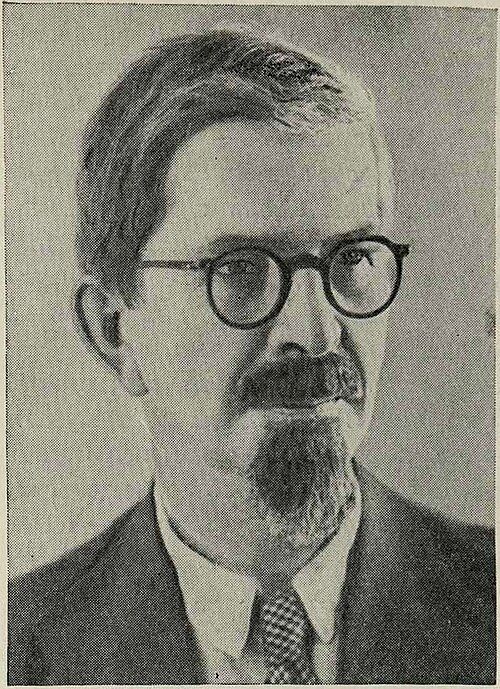
Lev Rudnev
Architect
Architect of the Moscow State University Main Building. To make the palace look Polish, he and his colleagues toured the old towns of Poland and borrowed their attics and facade details.
Legends and facts
The Joseph Stalin Palace
When it opened, the building bore the name of Joseph Stalin. The name was dropped as early as 1956, and in everyday speech Varsovians have long called the palace simply “Pekin”, from the initials of its Polish name, PKiN.
The Rolling Stones behind the Iron Curtain
In April 1967 The Rolling Stones played in the palace’s Congress Hall. It was one of the first concerts by a Western rock band in the Soviet bloc.
Where to take photos
The palace is huge, so it is best photographed from a distance or from the square below.
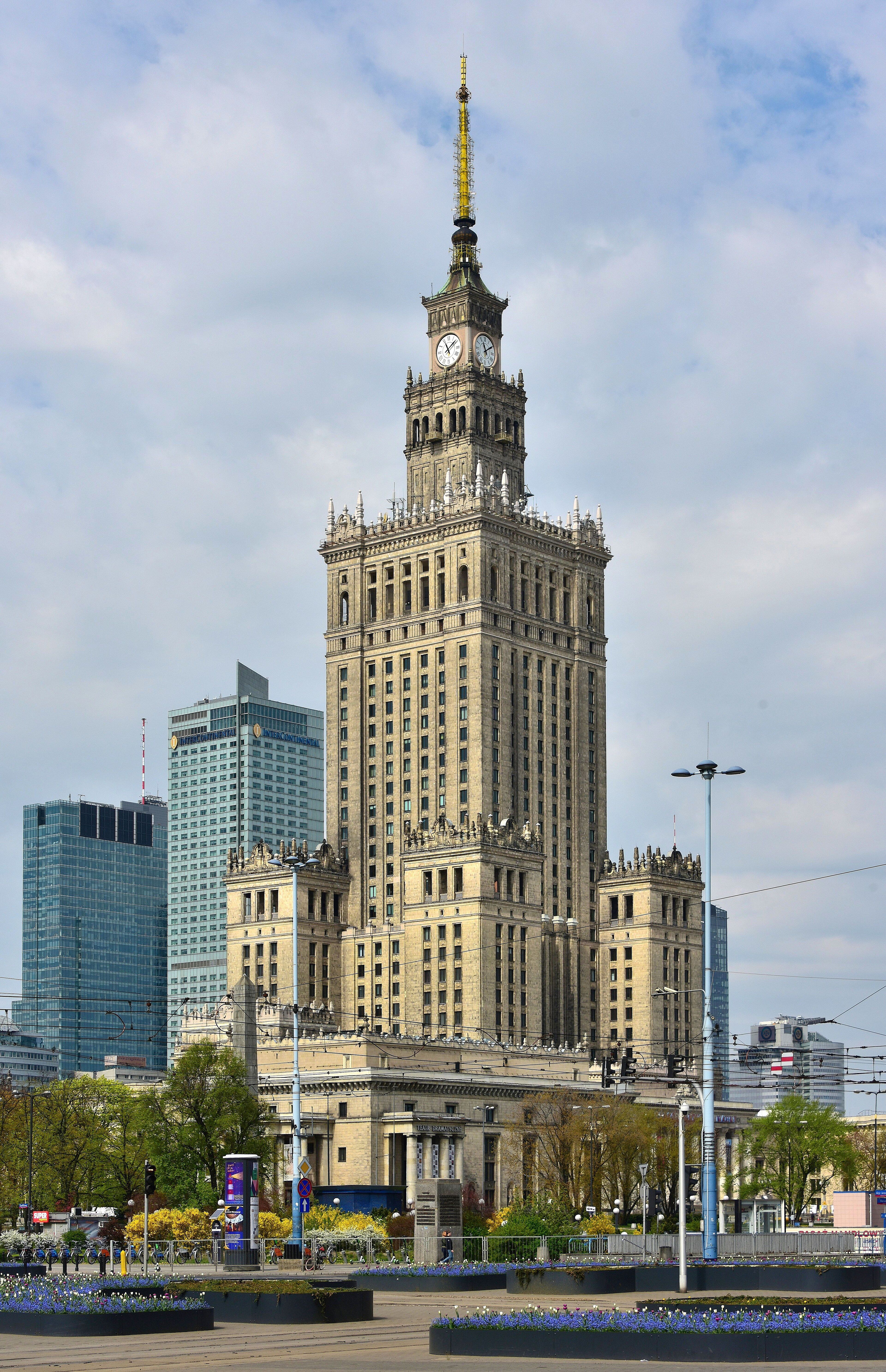
View of the building. Parade Square © Adrian Grycuk, CC BY-SA 3.0 pl
View of the building. Parade Square © Adrian Grycuk, CC BY-SA 3.0 pl
Parade Square
From the square in front of the main entrance you see the tower at full height. The clock on the tower is also clearly visible from here.
Marszałkowska Street
From the opposite side of the street the palace stands next to modern skyscrapers. A good shot of old and new Warsaw.
Where to stay nearby
The palace is in the centre, so staying nearby is convenient. The Old Town is about half an hour away on foot.
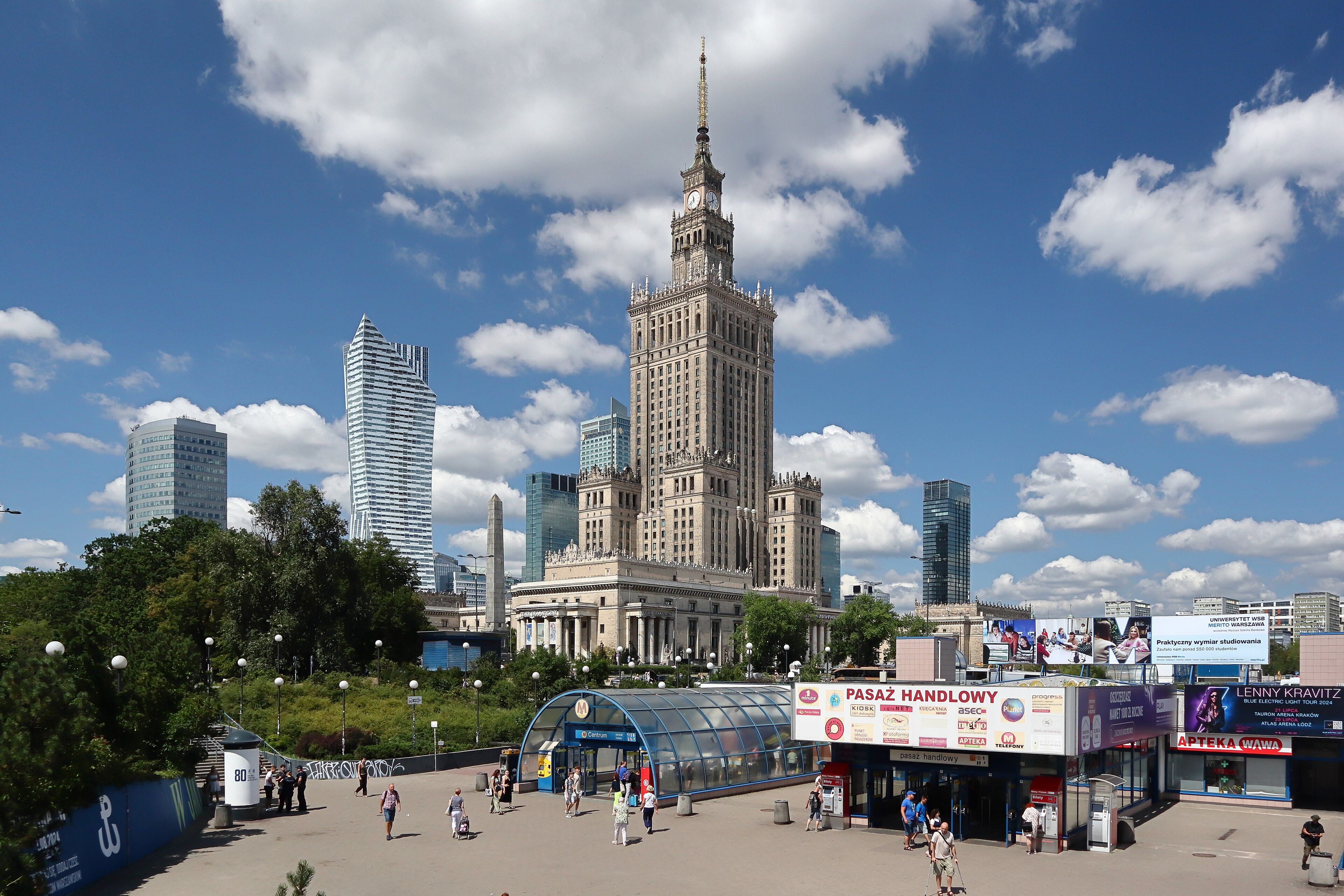
Hotels by the palace
Central Warsaw by the Central Station and Centrum metro.
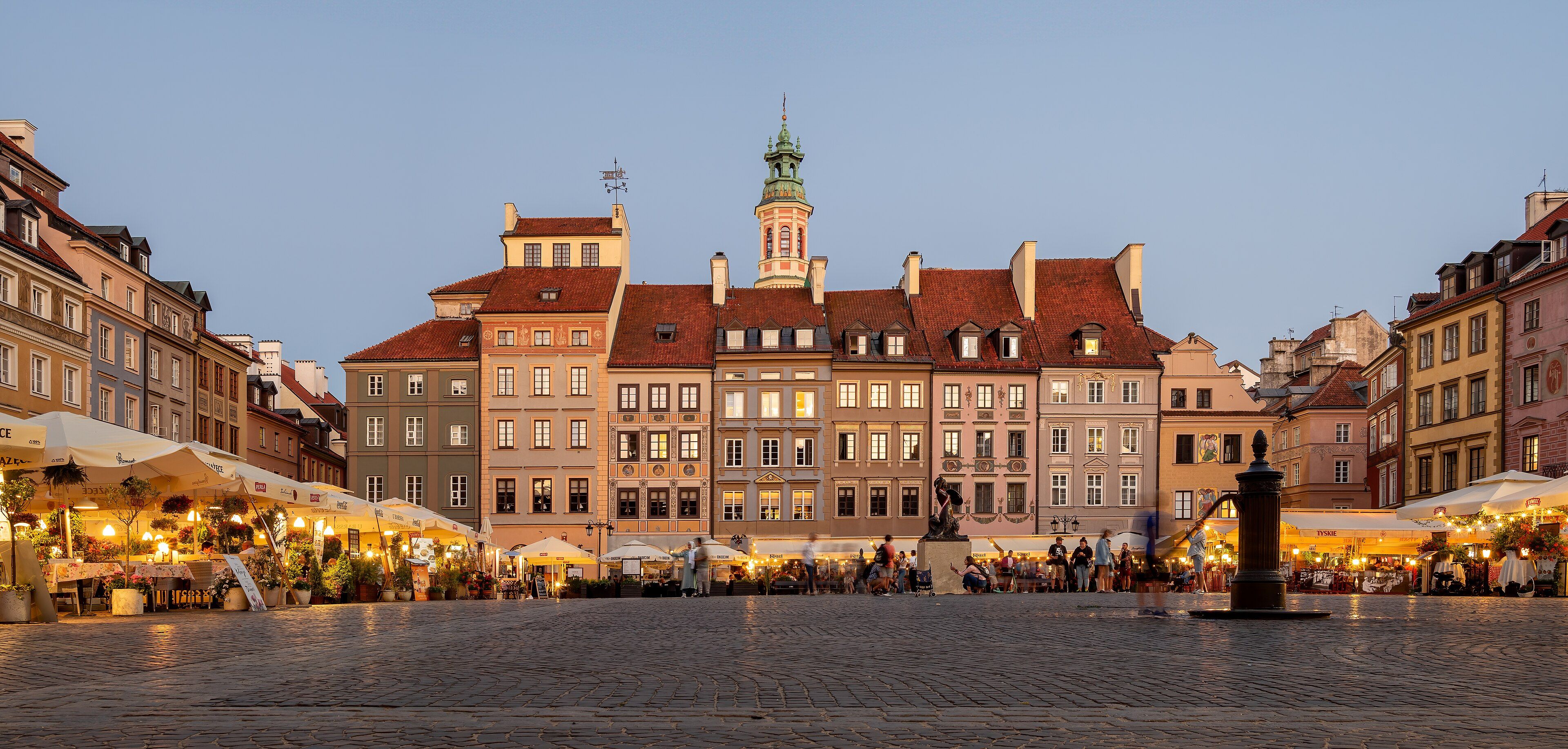
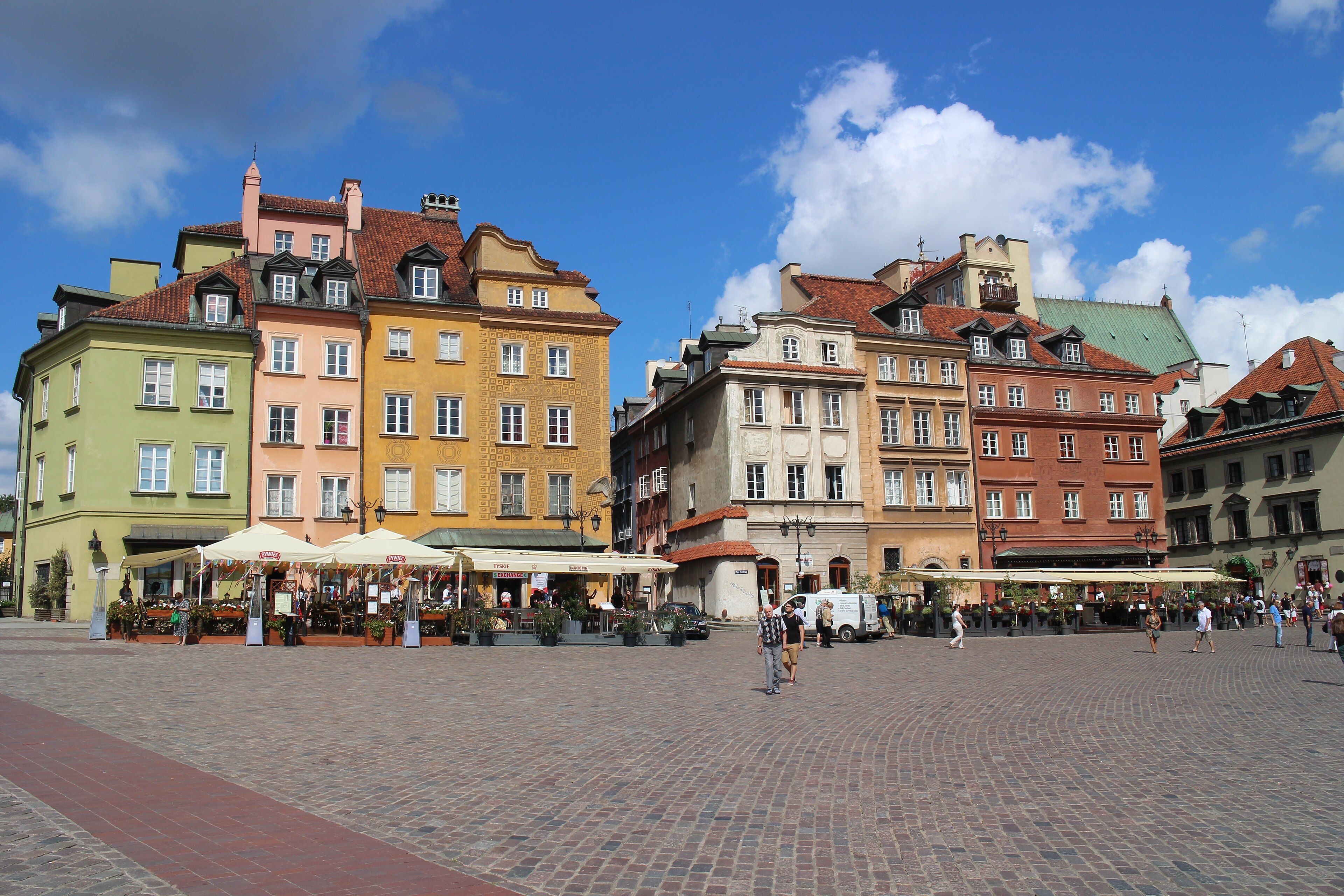
Hotels in the Old Town
The historic centre with its market square, rebuilt after the war.
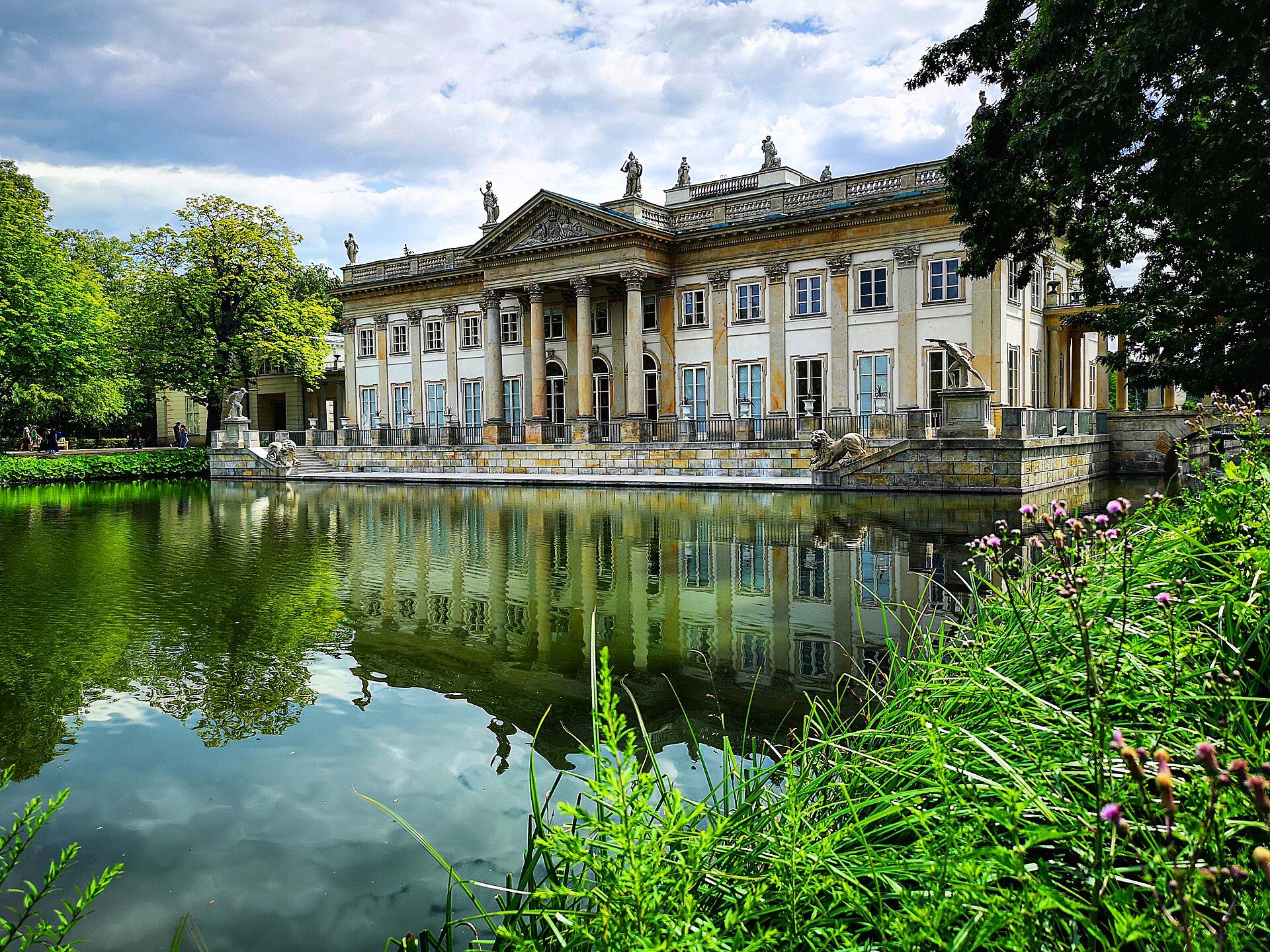
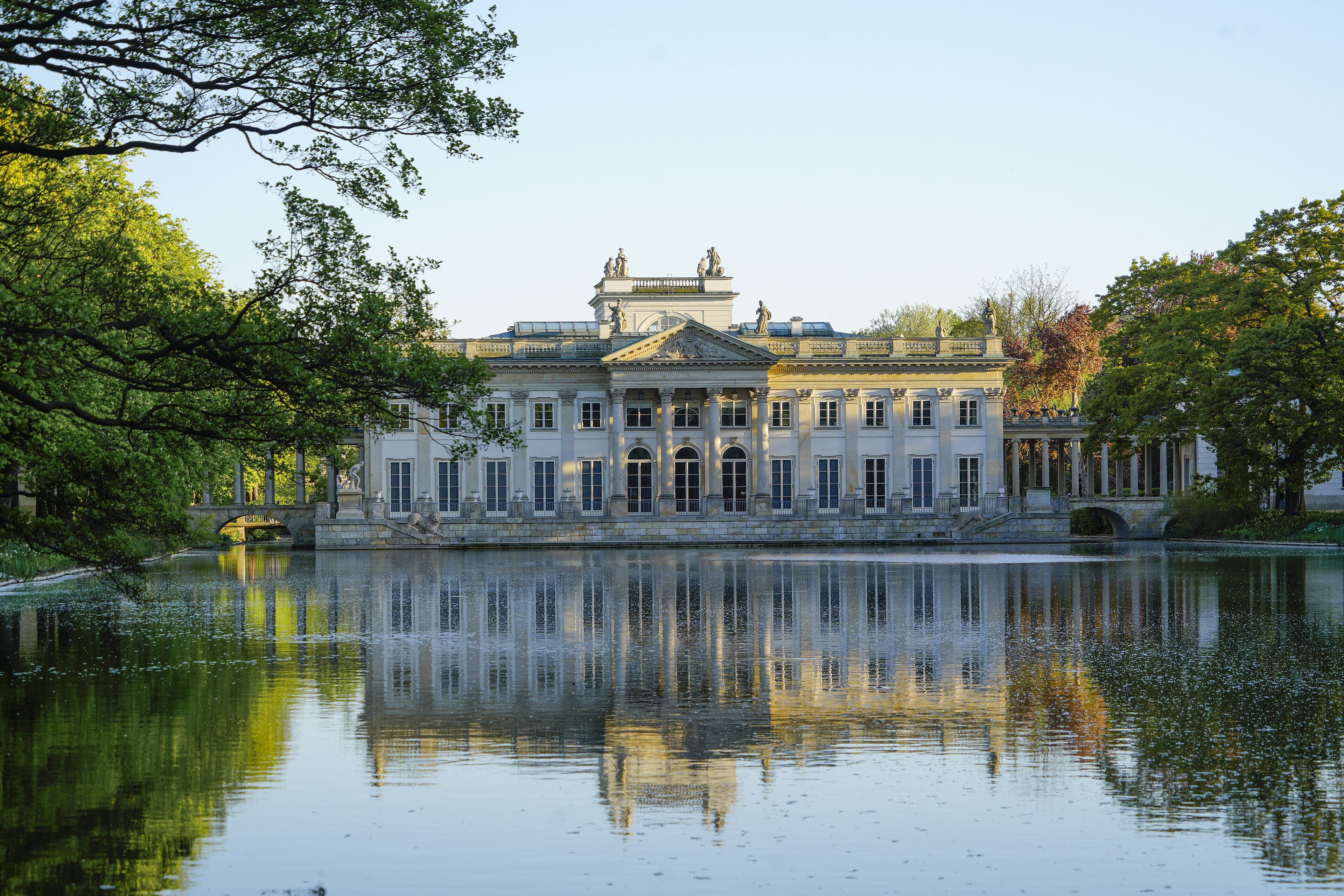
Hotels near Łazienki
A quiet district by the park and the Royal Route.
What to see nearby
The palace is a good starting point for a walk around Warsaw. Times are on foot.
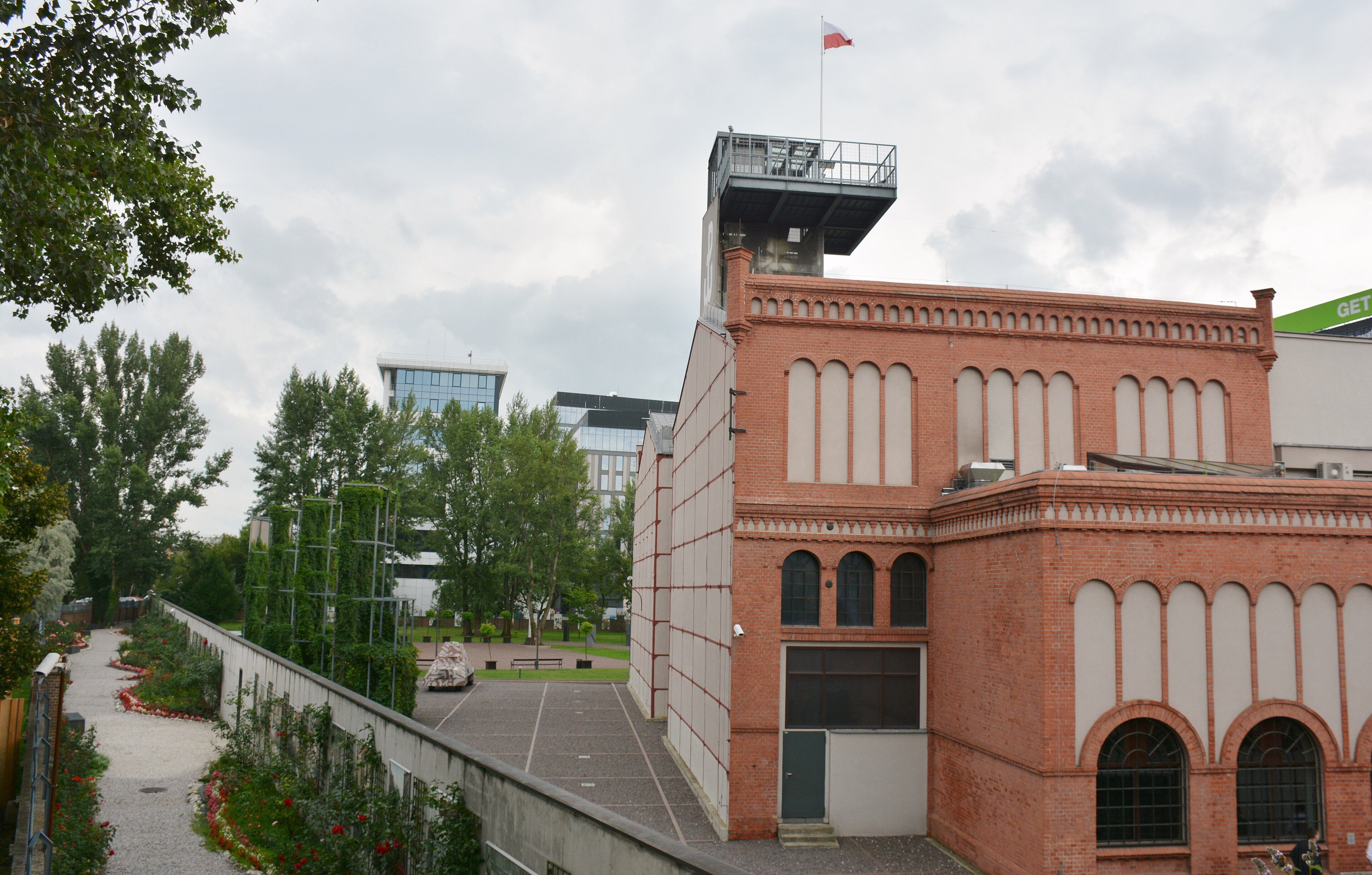
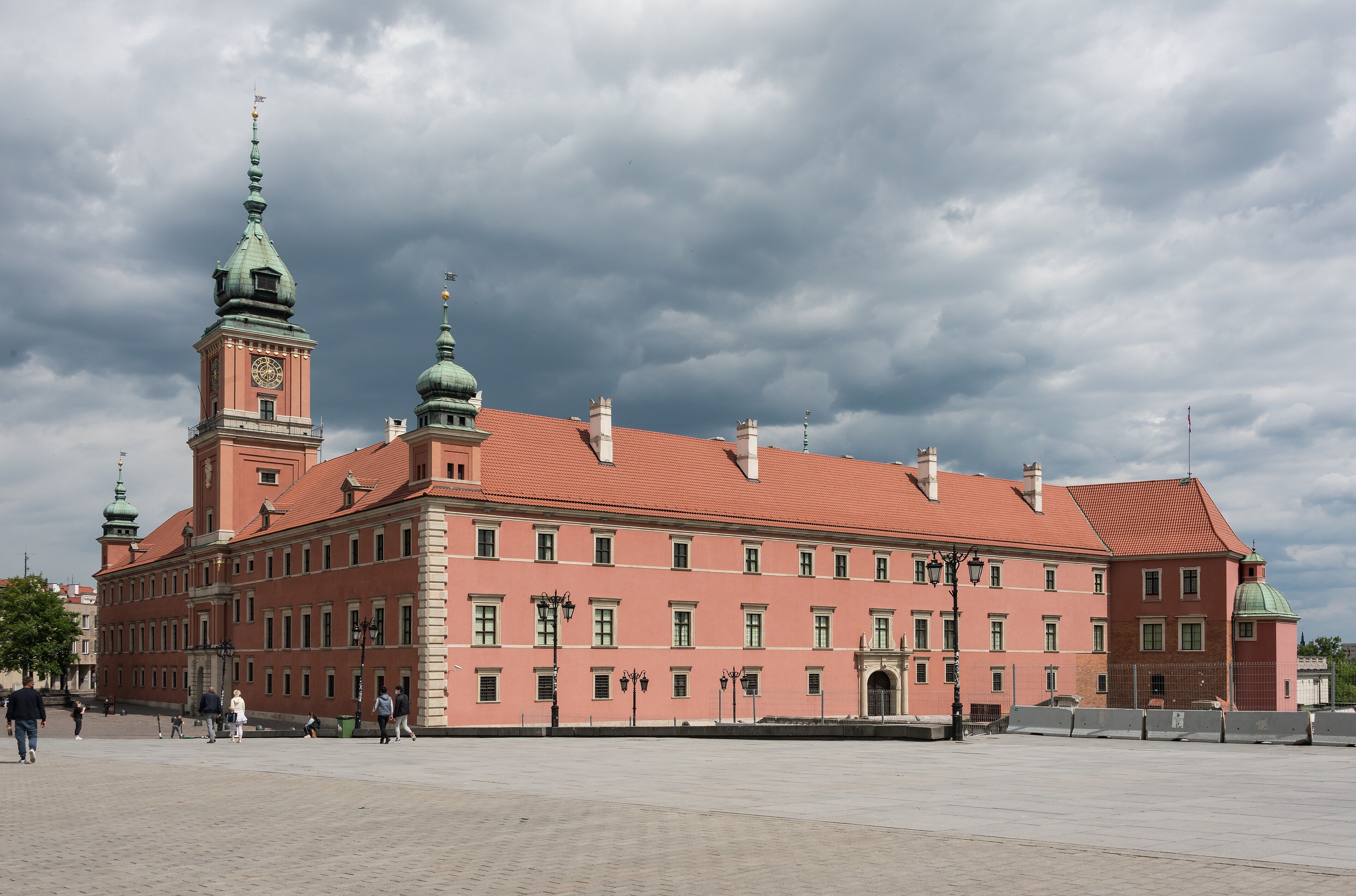
Map
The map loads when you tap the button. This keeps the page fast.
Address
Polska, Warszawa, plac Defilad 1
Getting there
Centrum metro, line M1about 3 minutes
- Exit onto Marszałkowska Street, and you will see the palace right away.
- Cross the street and walk to the main entrance from Parade Square.
Warszawa Centralna stationabout 5 minutes
- Leave the station onto Aleje Jerozolimskie.
- The palace stands across the road, reached by underpasses.
Other Moscow skyscrapers
1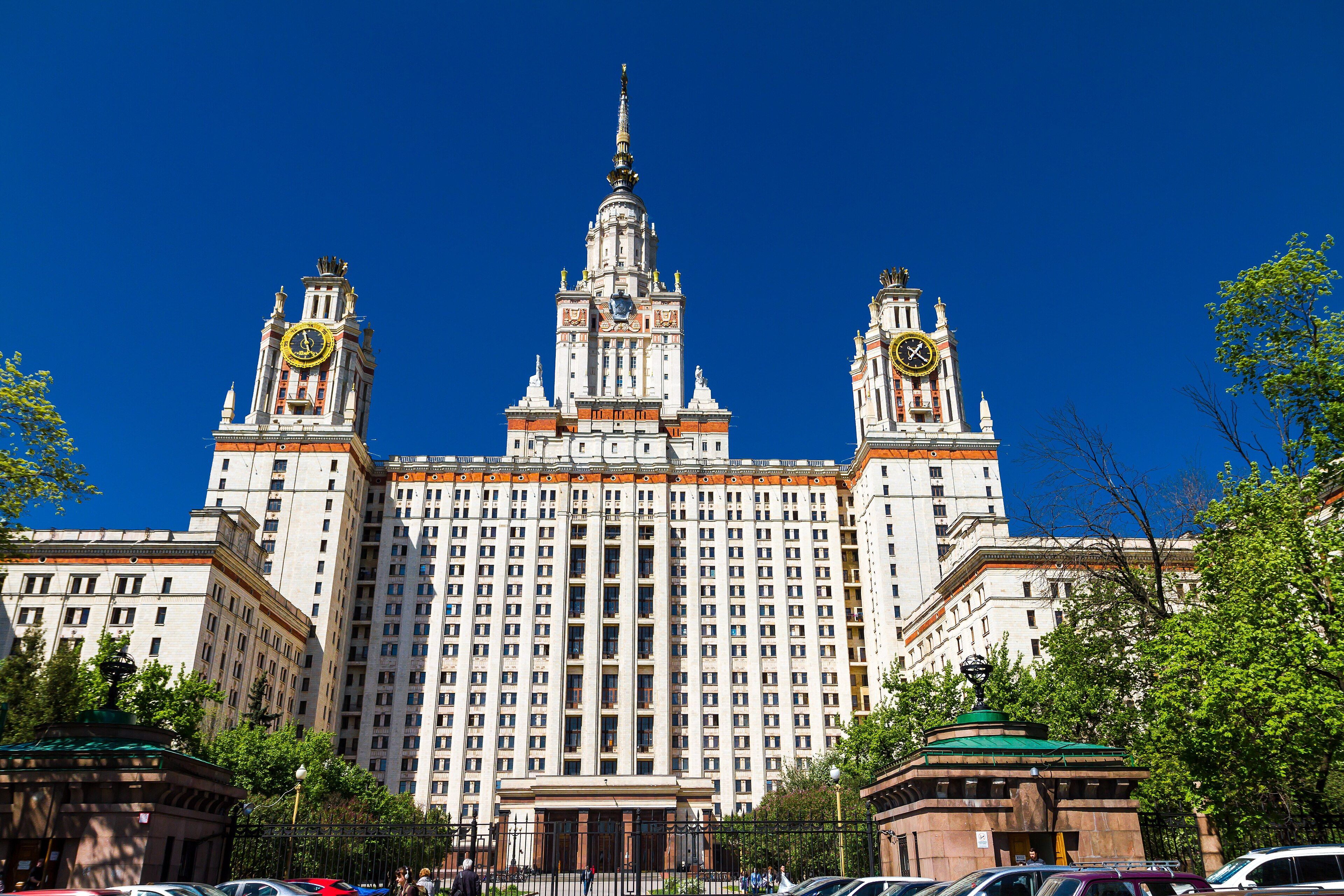 Moscow State University Main Building
2
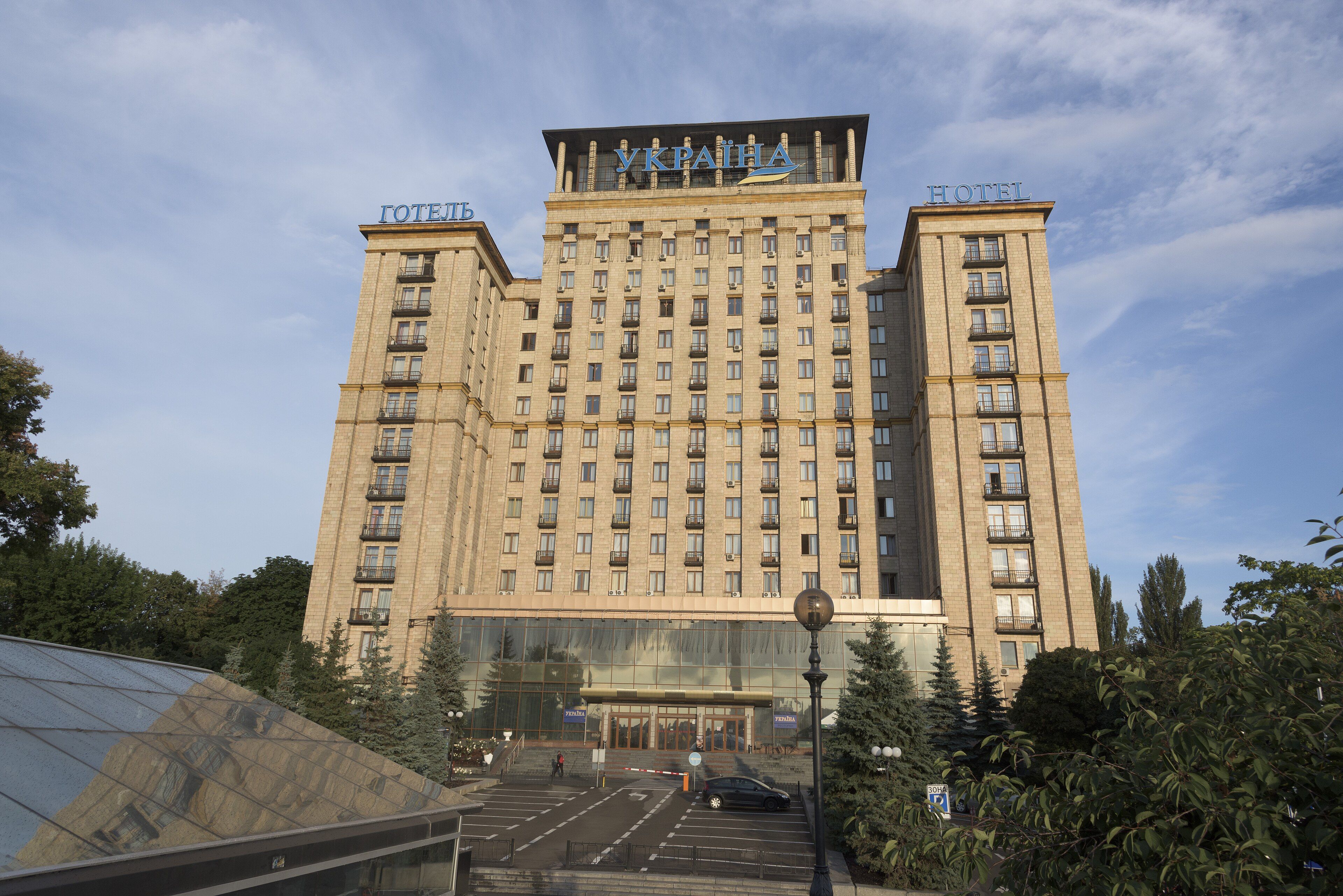
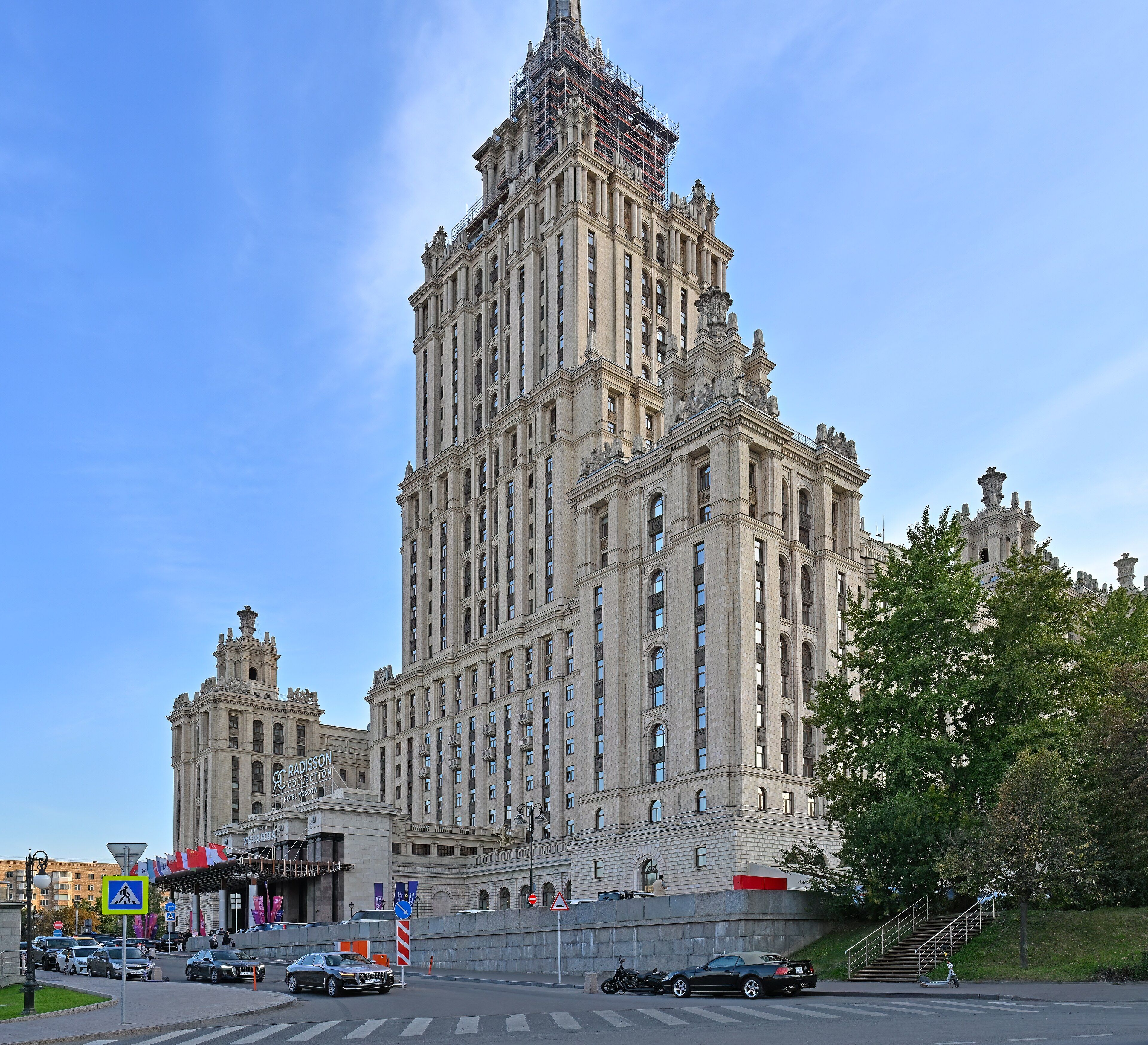 Hotel Ukraina
3
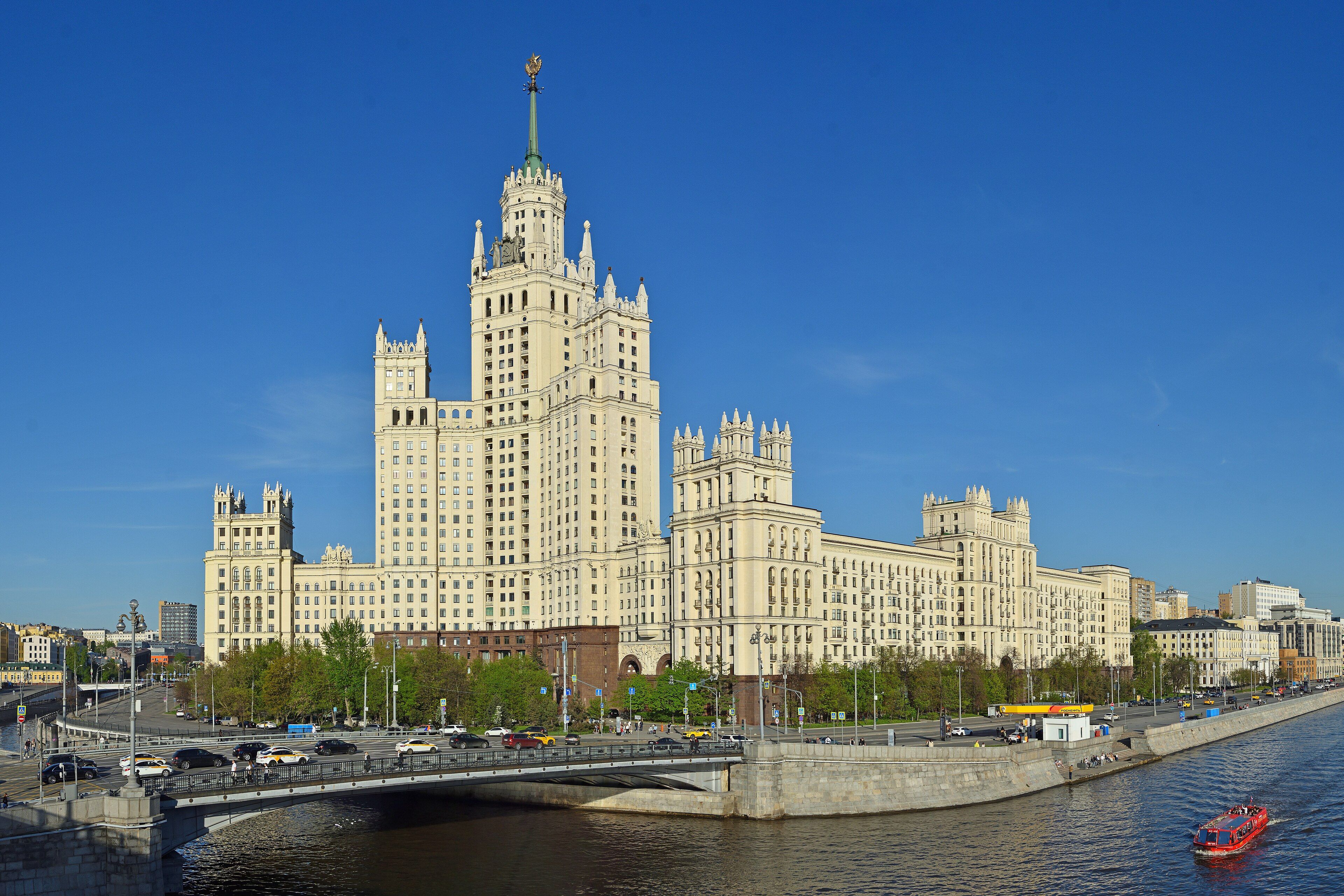 Kotelnicheskaya Embankment Building
4
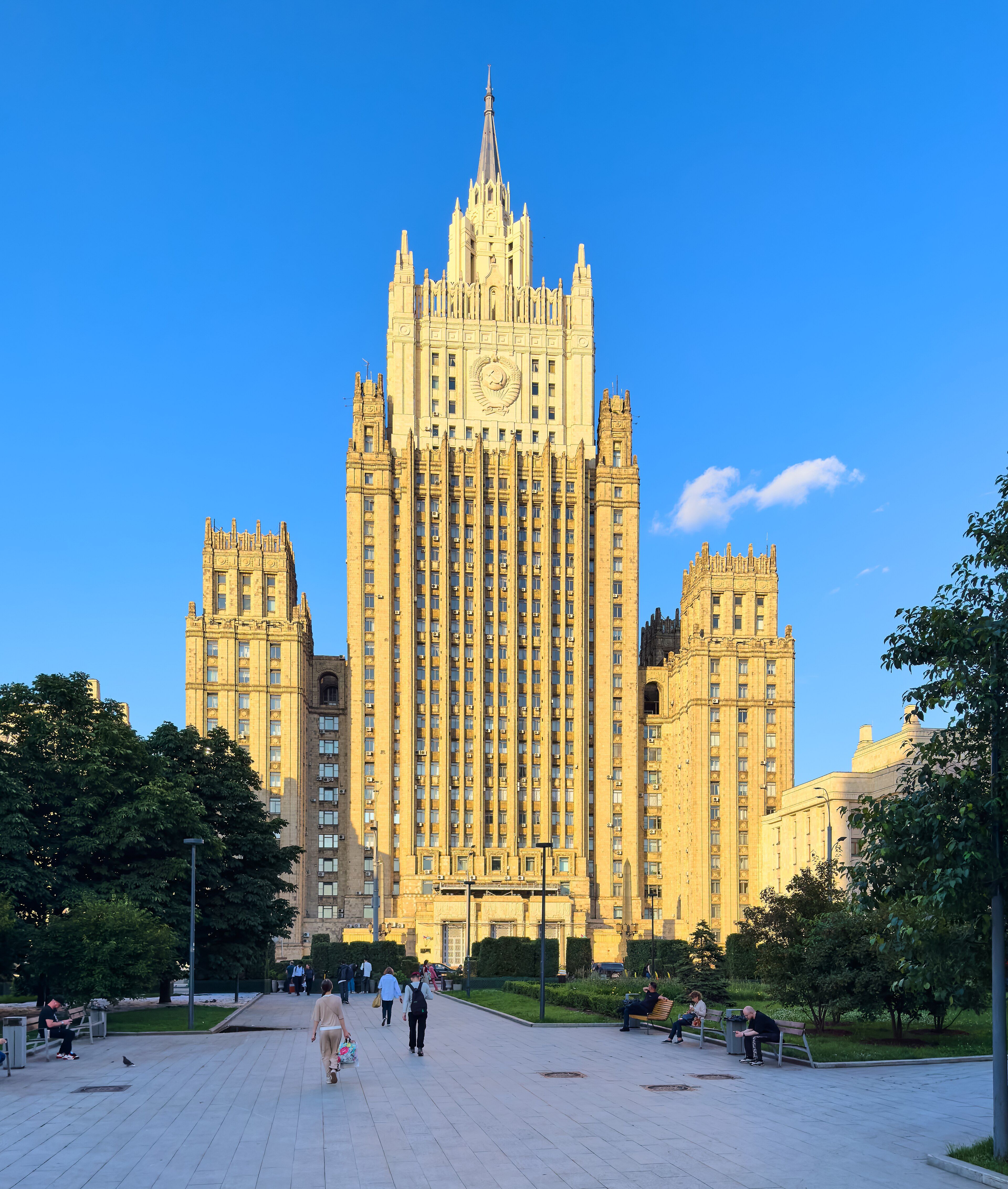 Ministry of Foreign Affairs Building
5
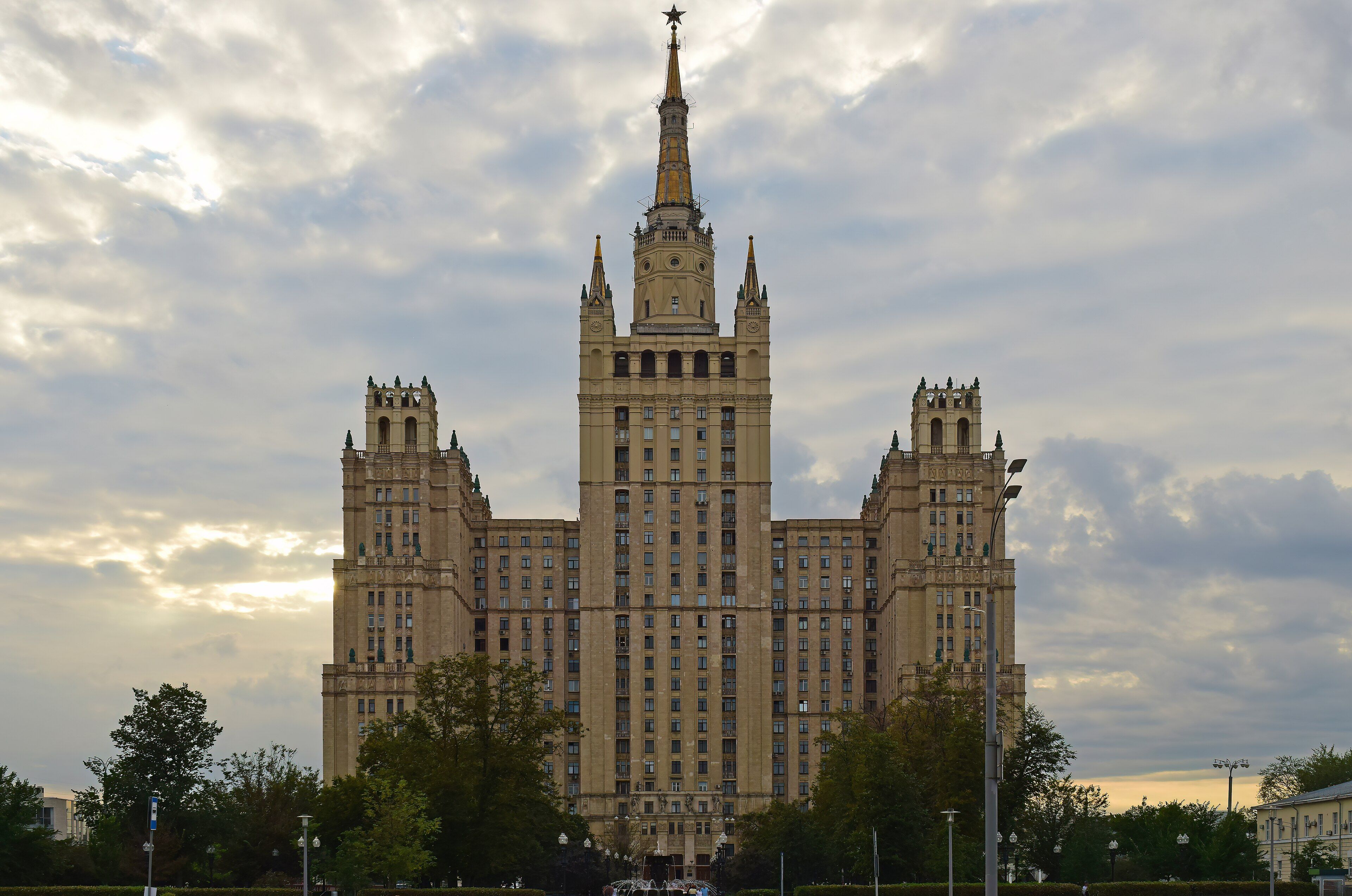 Kudrinskaya Square Building
6
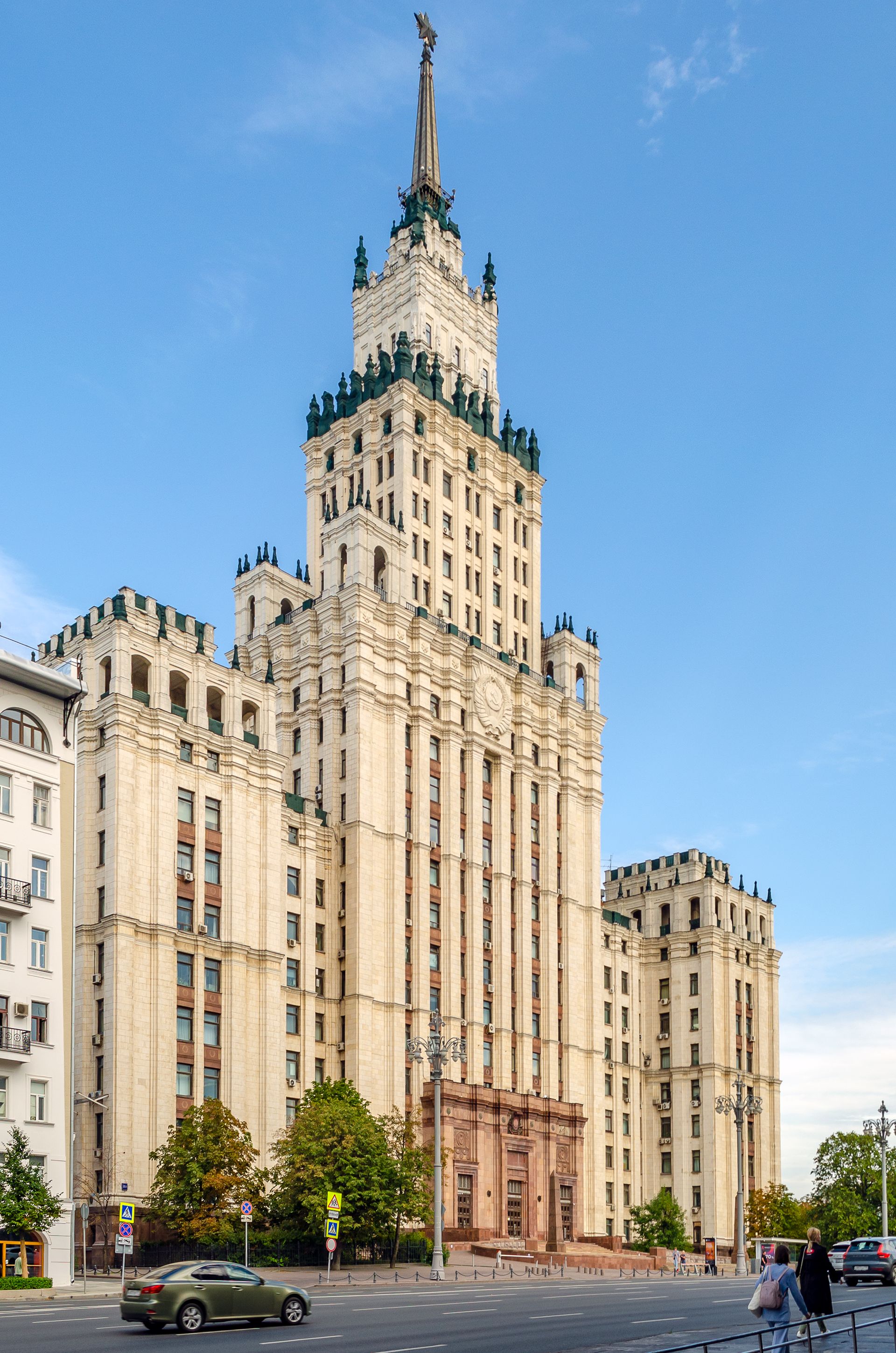 Red Gates Building
7
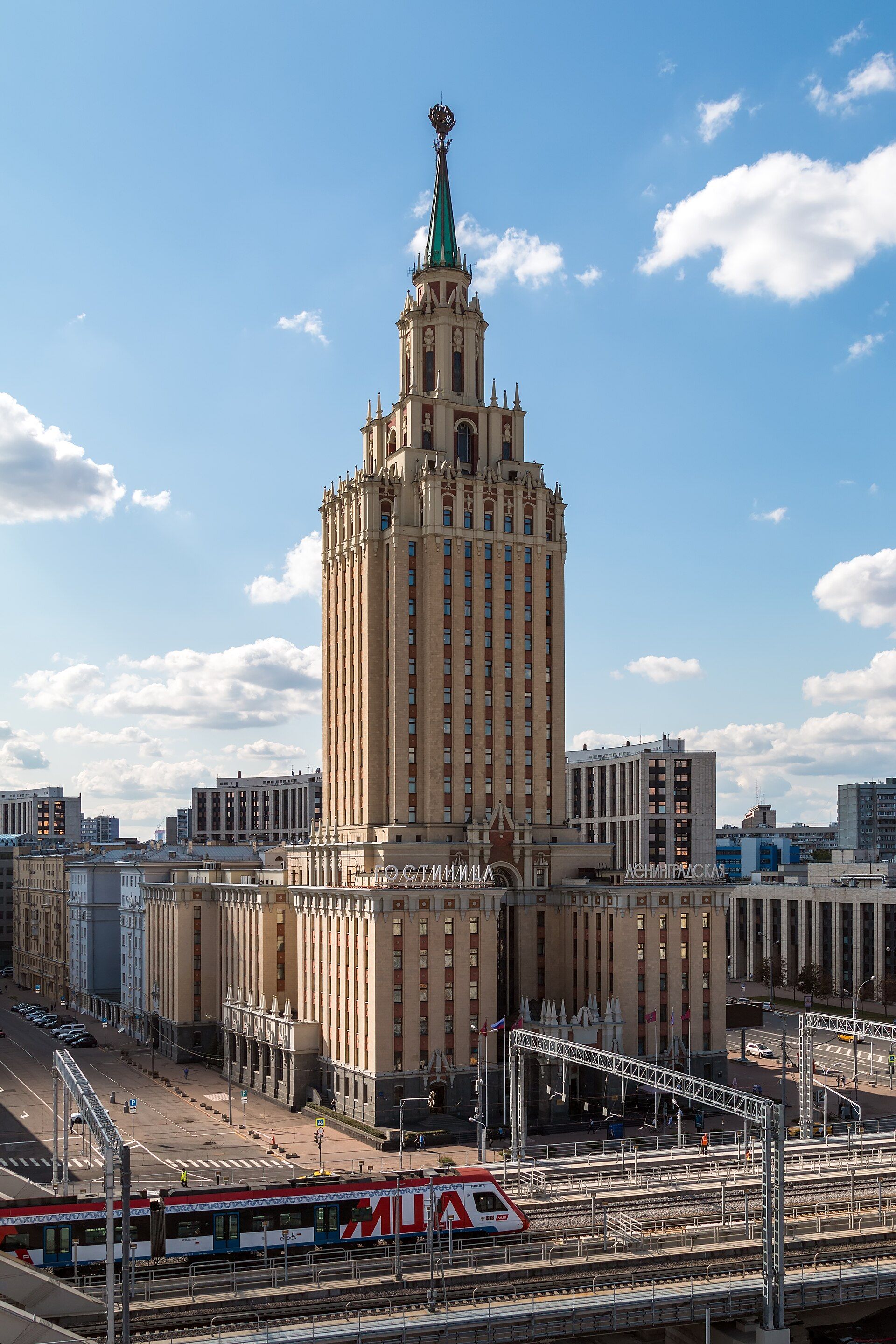 Hotel Leningradskaya
Moscow State University Main Building
2
Hotel Ukraina
3
Kotelnicheskaya Embankment Building
4
Ministry of Foreign Affairs Building
5
Kudrinskaya Square Building
6
Red Gates Building
7
Hotel Leningradskaya
Never built
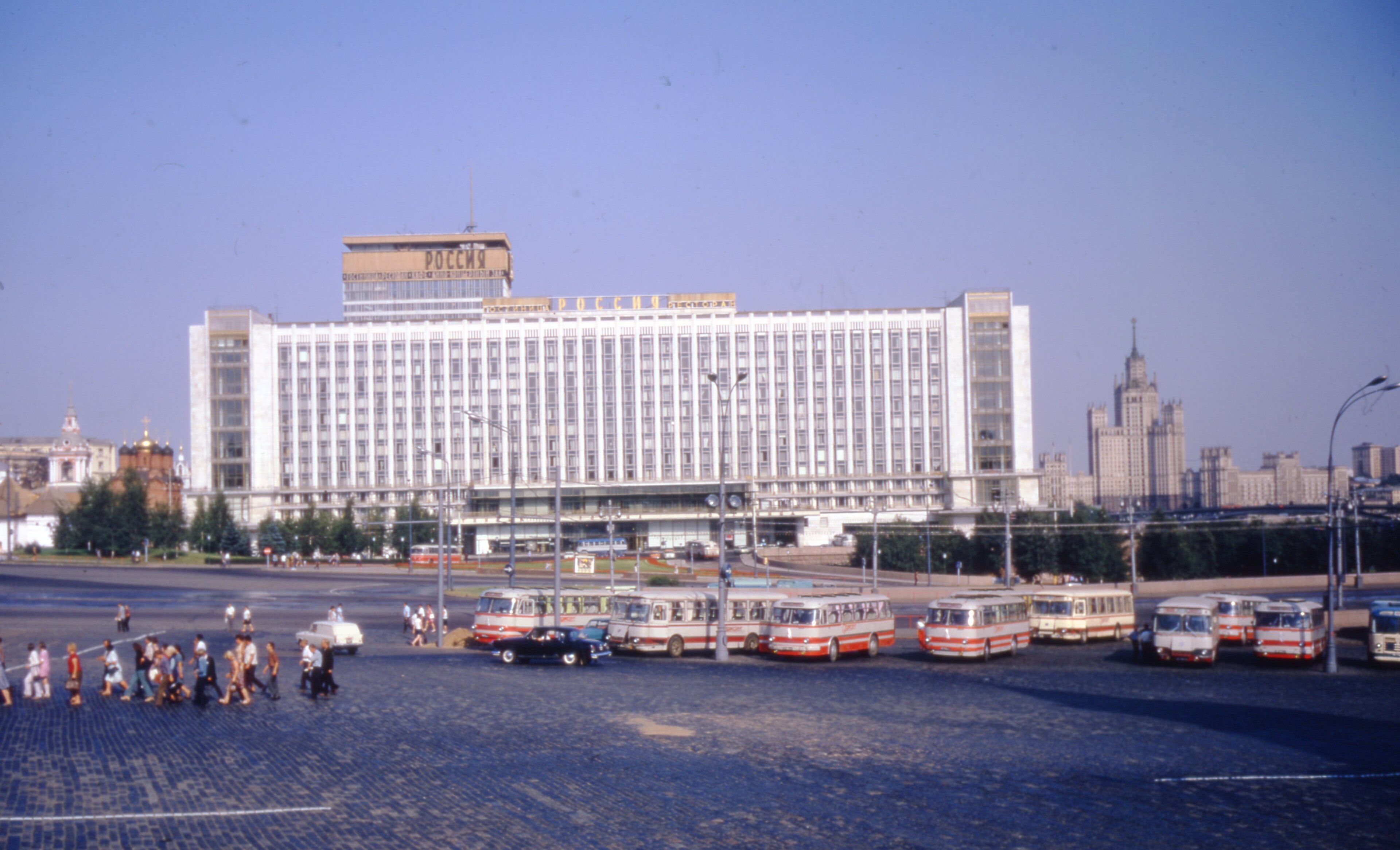
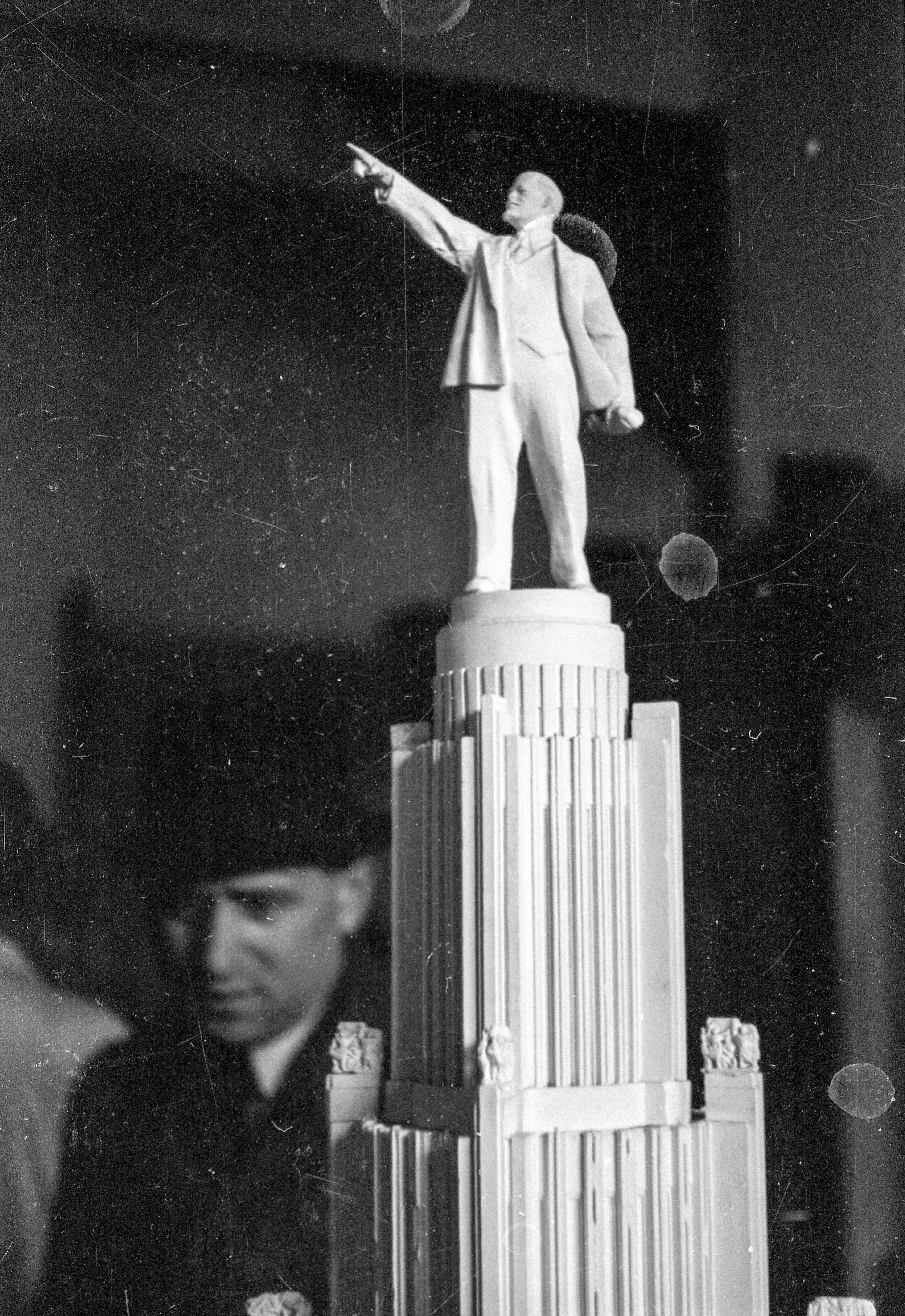
More “sisters”
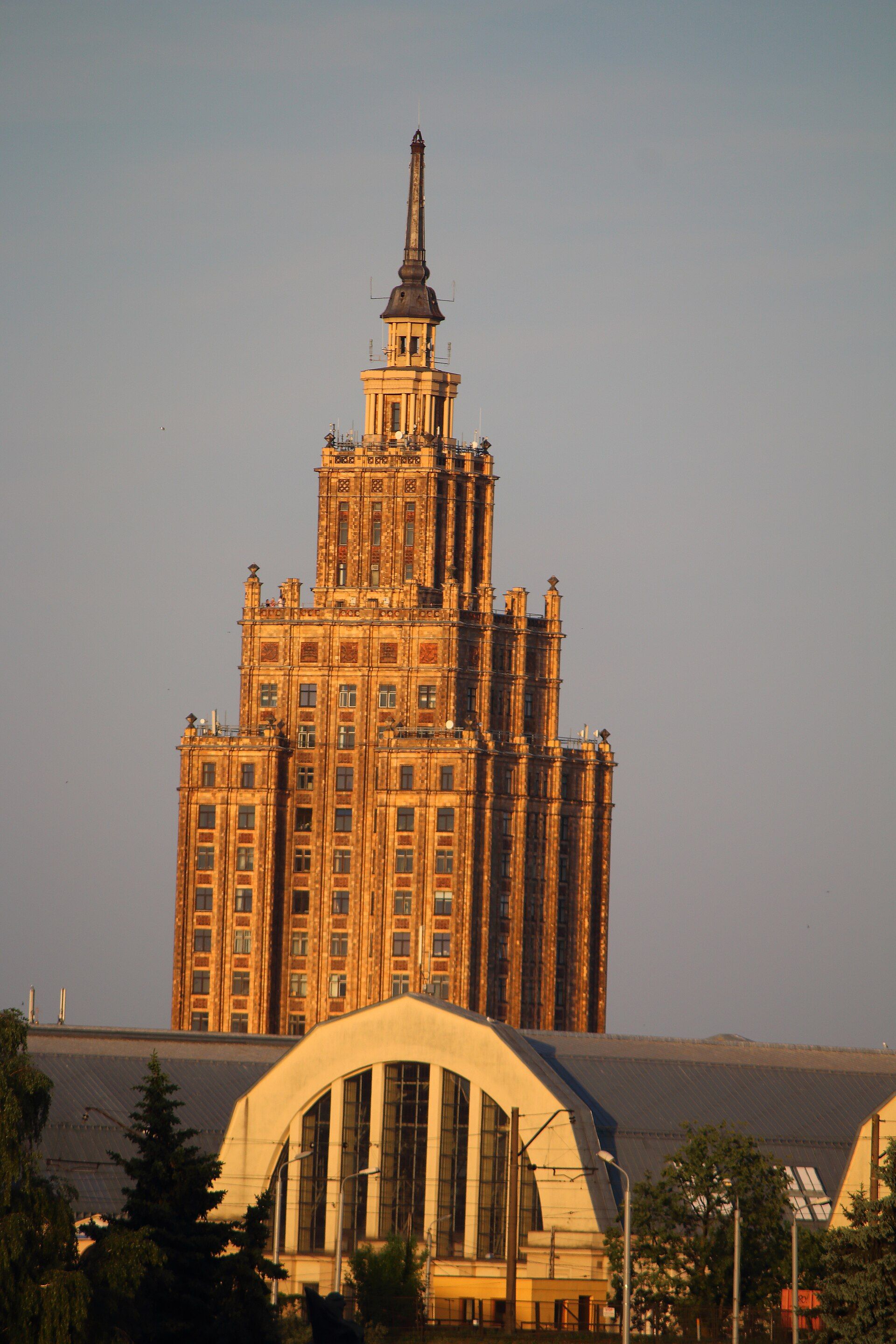
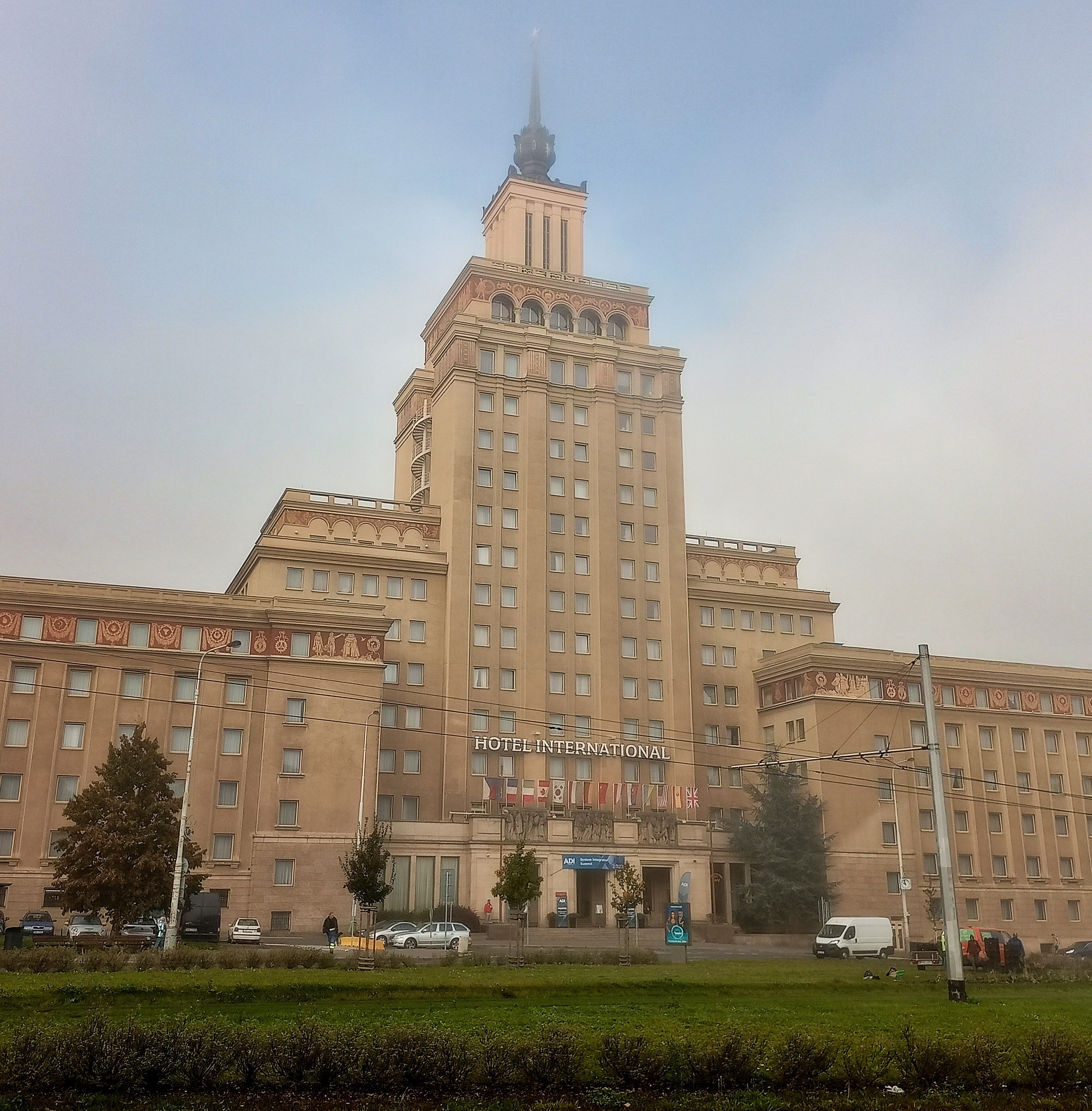
FAQ
Can you go up the Palace of Culture and Science?
Yes. There is a viewing terrace on the 30th floor, reached by a high-speed lift. Tickets are sold at the ticket office inside the building.
Who built the Palace of Culture and Science?
The building was designed by Lev Rudnev, the architect of the Moscow State University Main Building, and built mainly by workers from the USSR from 1952 to 1955.
How tall is the Palace of Culture and Science?
237 metres including the spire, the tallest of the sisters outside Moscow.
What is there to see near the Palace of Culture and Science?
The Warsaw Rising Museum, the Old Town with the Royal Castle and Łazienki Park. All of them can be reached on foot or by tram.
Why is the palace called “Pekin”?
From the initials of its Polish name, Pałac Kultury i Nauki, shortened to PKiN.