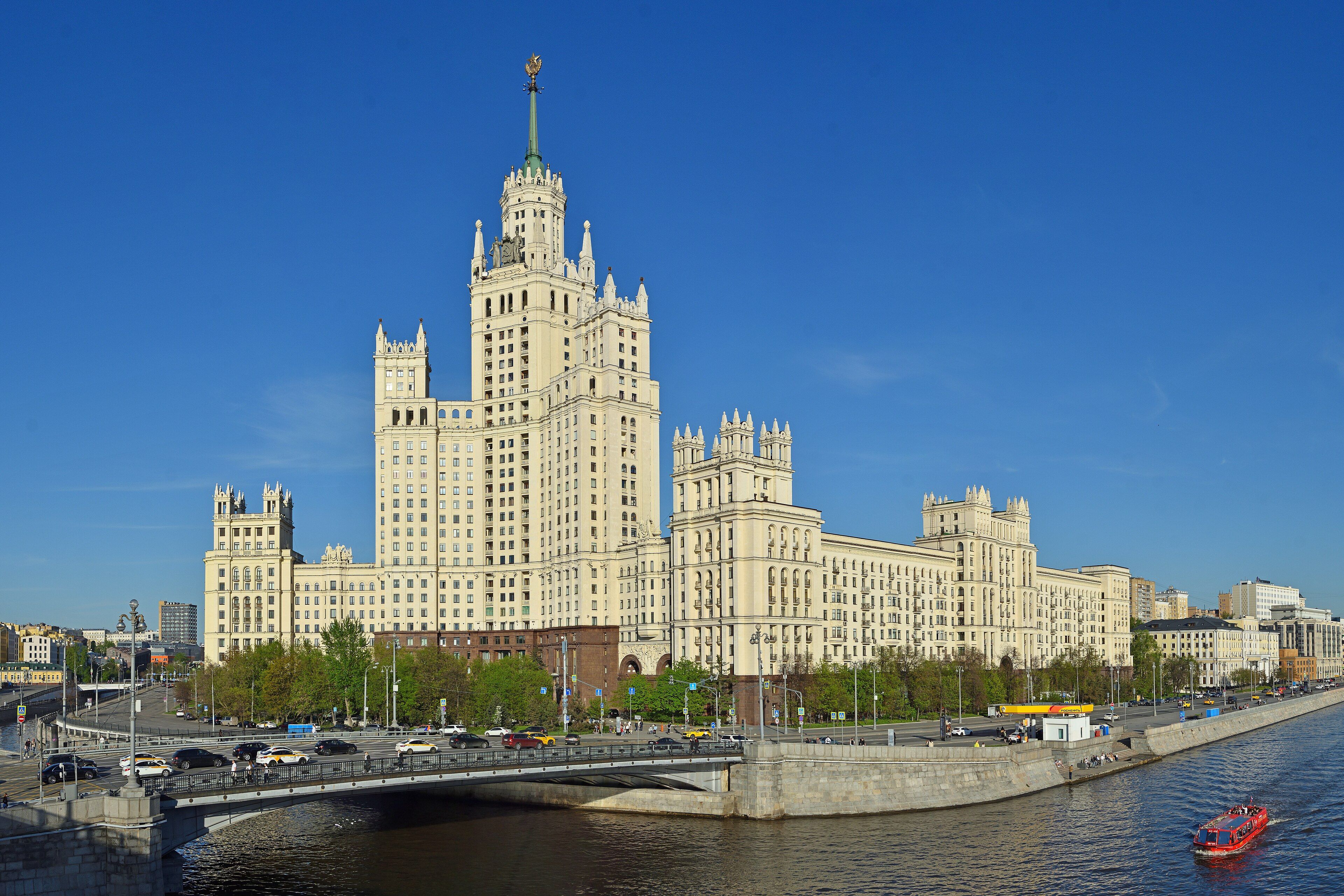
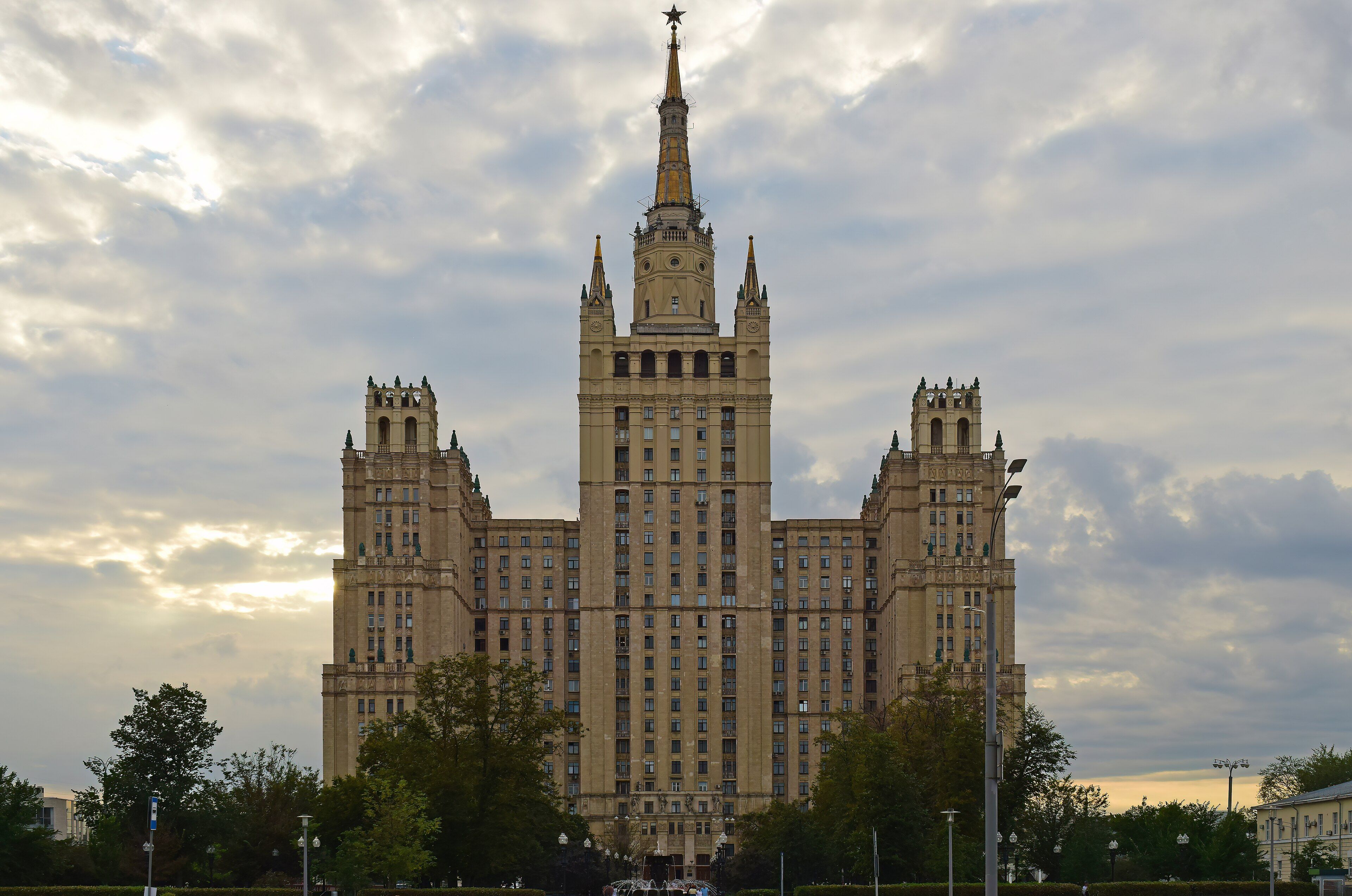
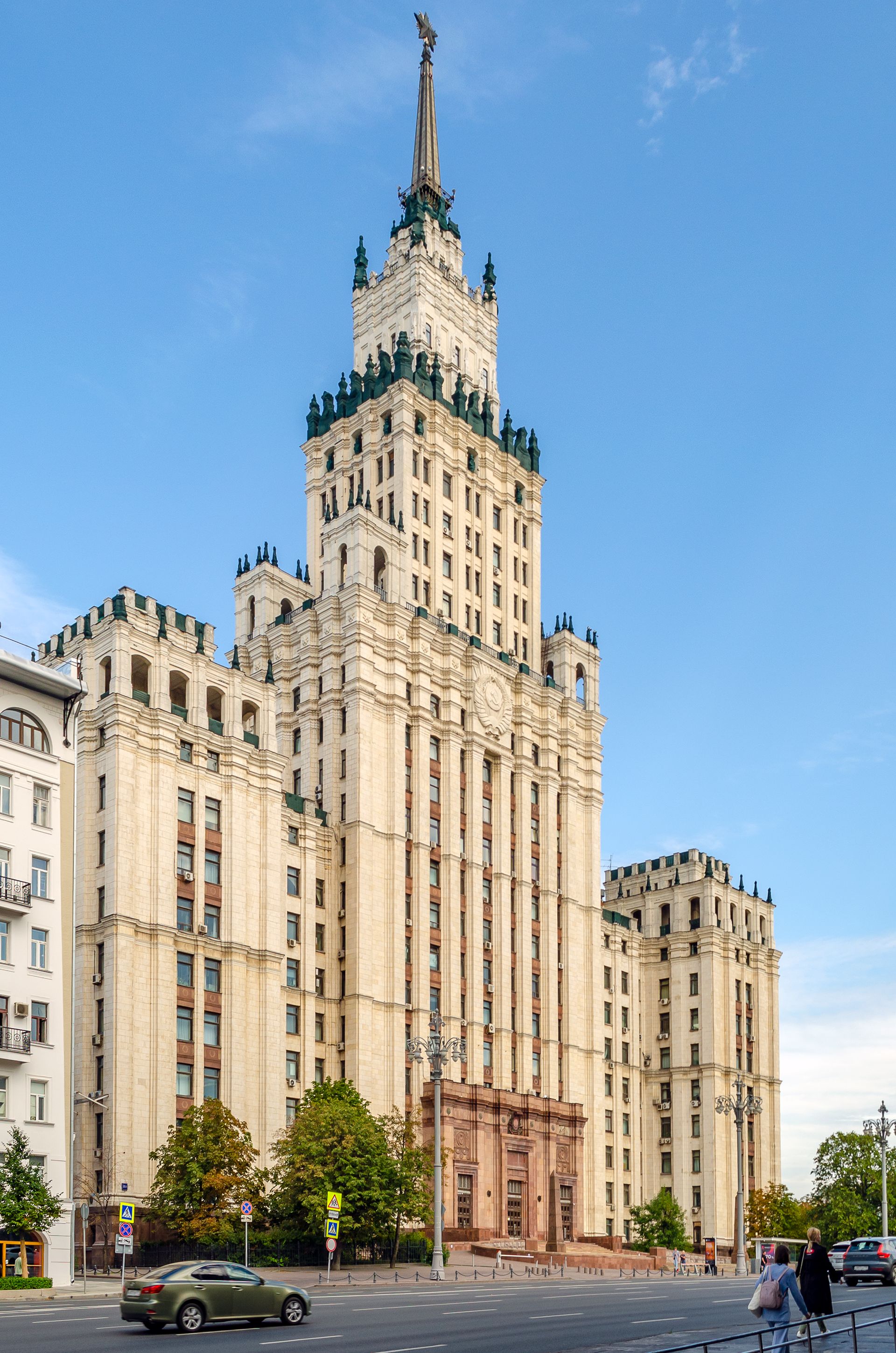
The cleverest of the sisters in engineering terms. It was built leaning on frozen ground, and the entrance hall of Krasnye Vorota metro station still works inside it.
Partly. The metro entrance hall is open to everyone, but the offices and apartments are not
Best view
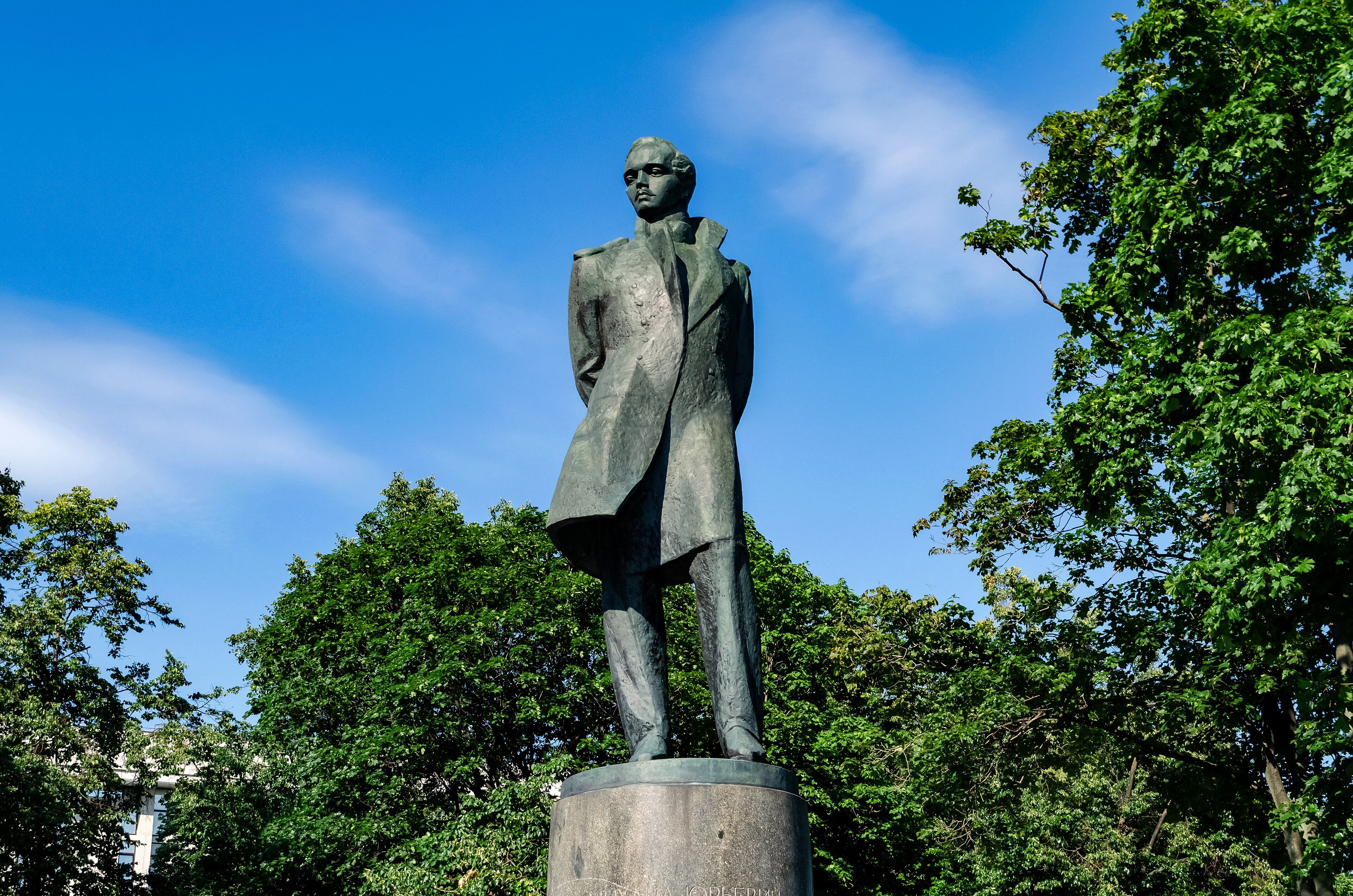
From Krasnye Vorota Square by the Lermontov monument
How much time to allow
20 minutes including the metro entrance hall
Architects
Alexey Dushkin and Boris Mezentsev
History
The building was founded on 7 September 1947 together with the other skyscrapers. It was conceived as an office and apartment building, with offices in the tower and apartments in the side blocks.
The main difficulty was the ground. Quicksand lay under the square, and a metro station entrance hall had to be built right under the future skyscraper. To work in such ground it was frozen.
The engineers knew that when the ground thawed it would settle unevenly. So the tower was deliberately built with a slight lean. Once the ground thawed, the building straightened up and stood level, just as calculated.
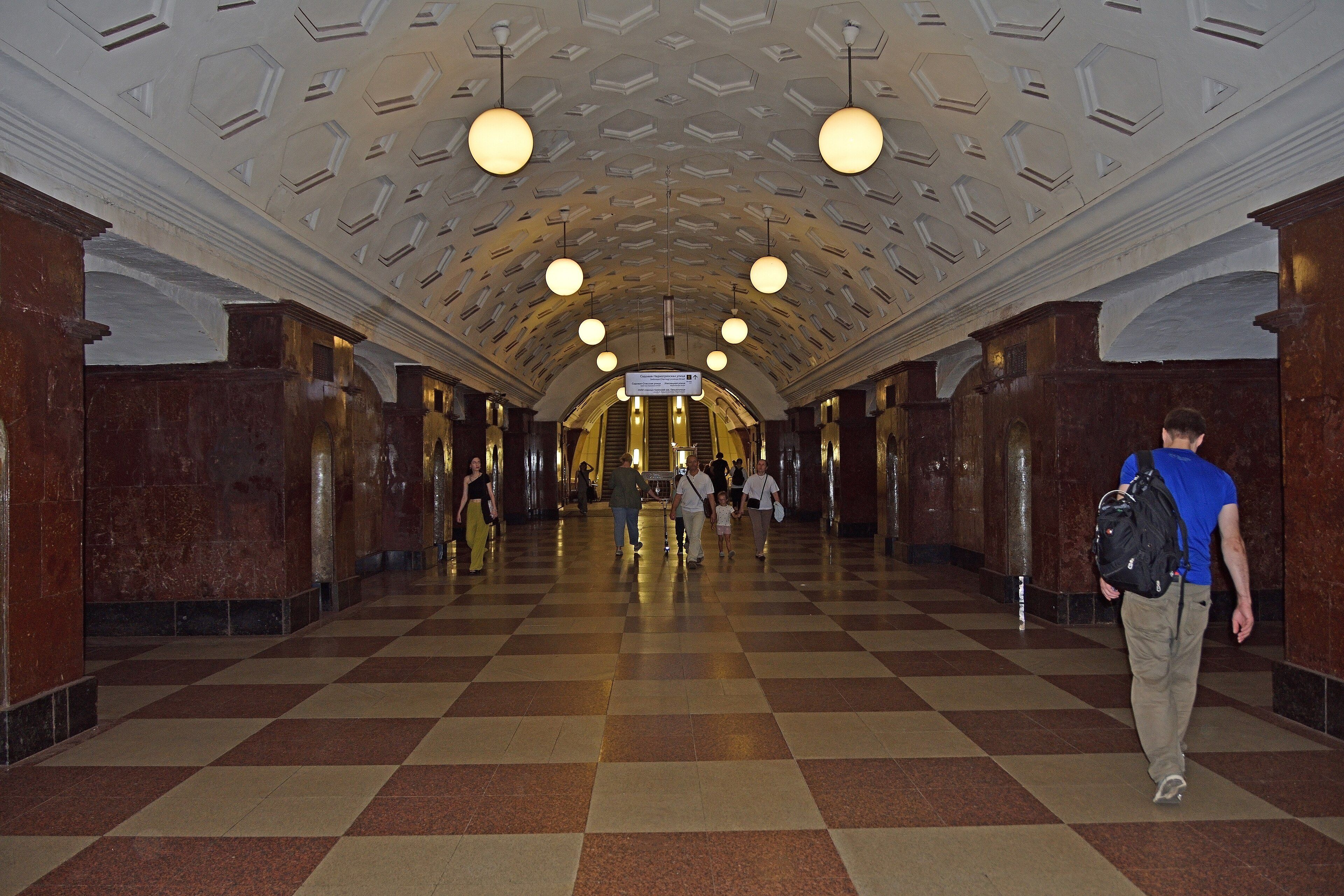
The skyscraper was completed in 1953. The new entrance hall of Krasnye Vorota station was built right into the base of the building, and it still works today.
Architecture and numbers
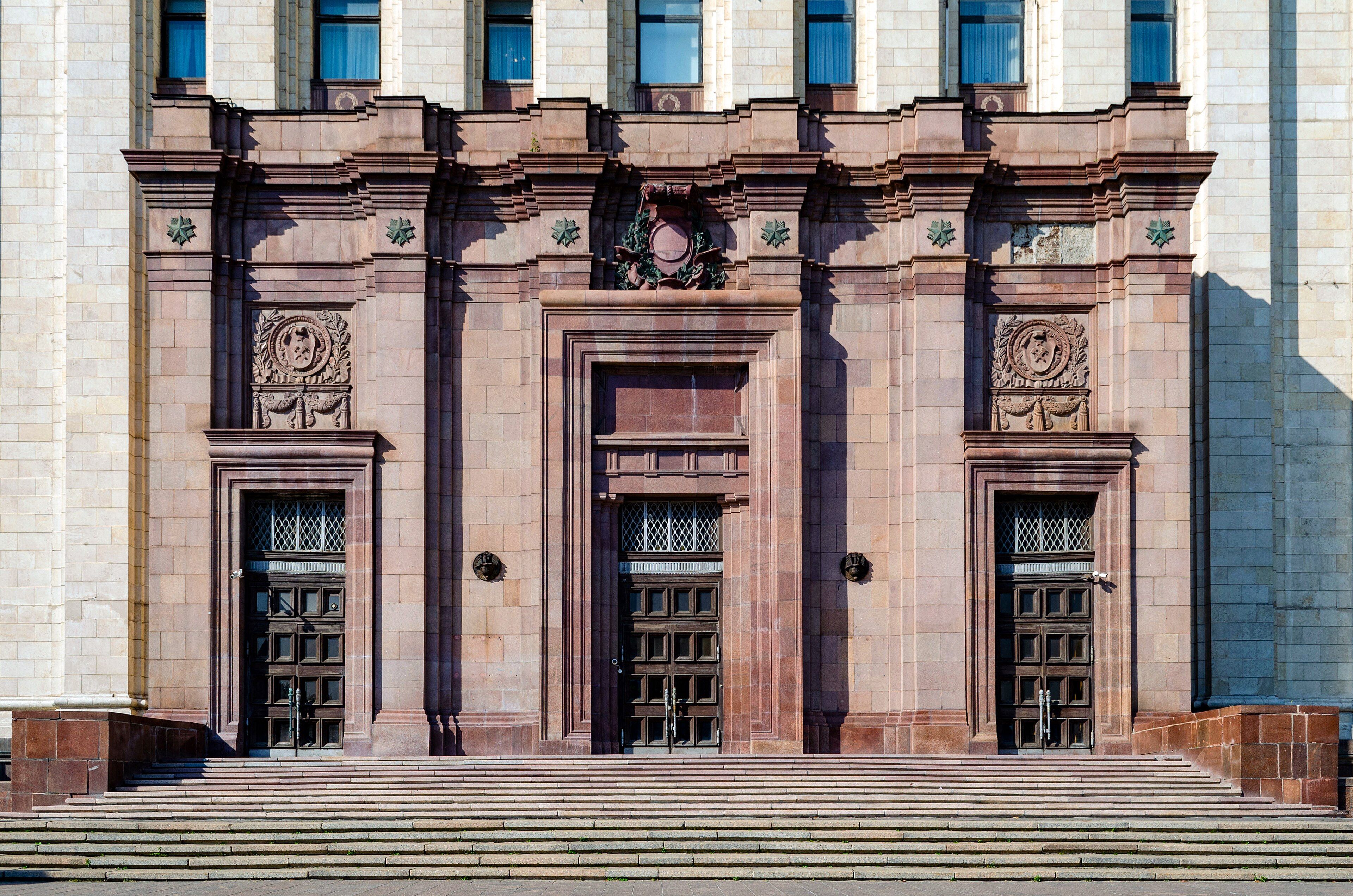
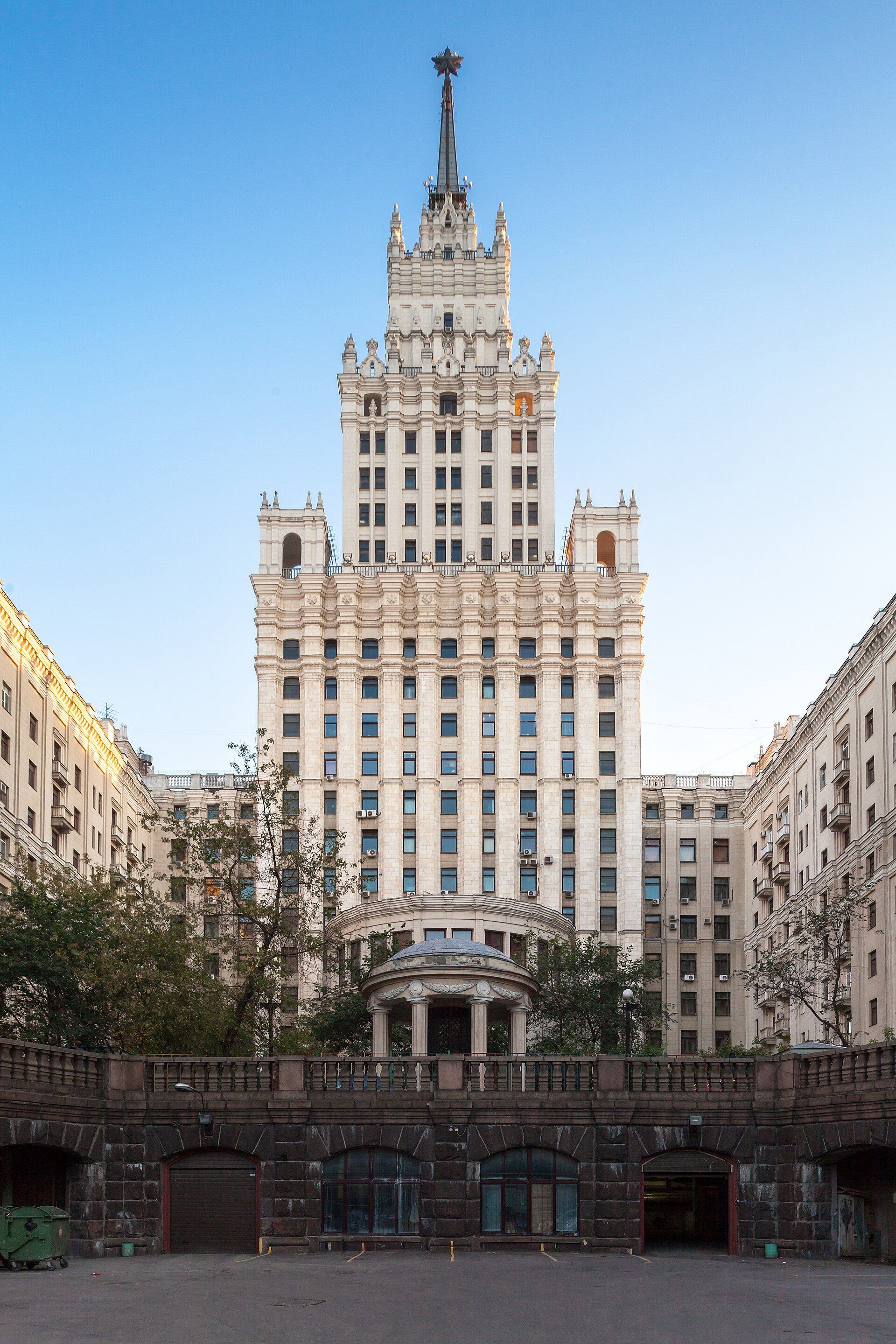
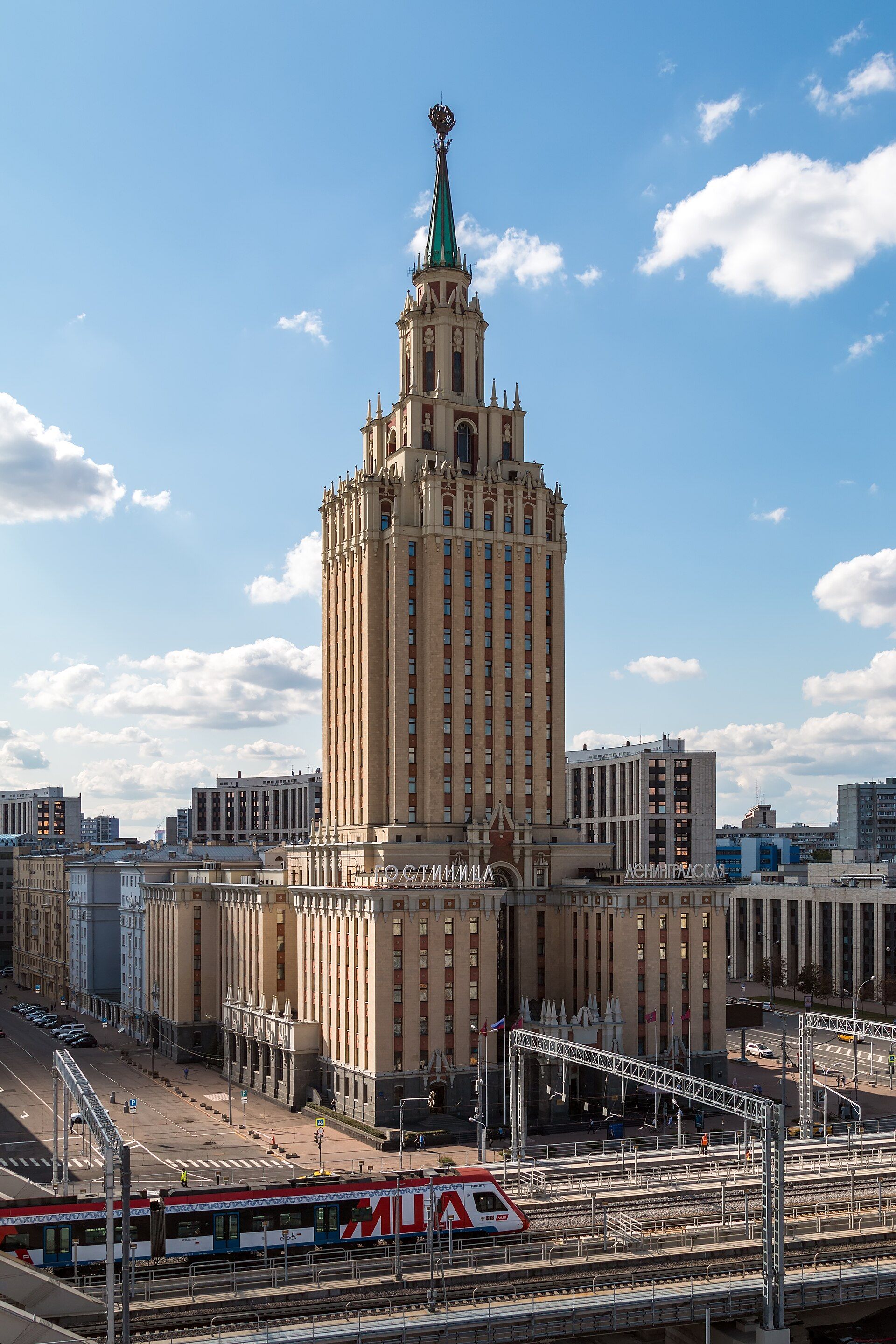
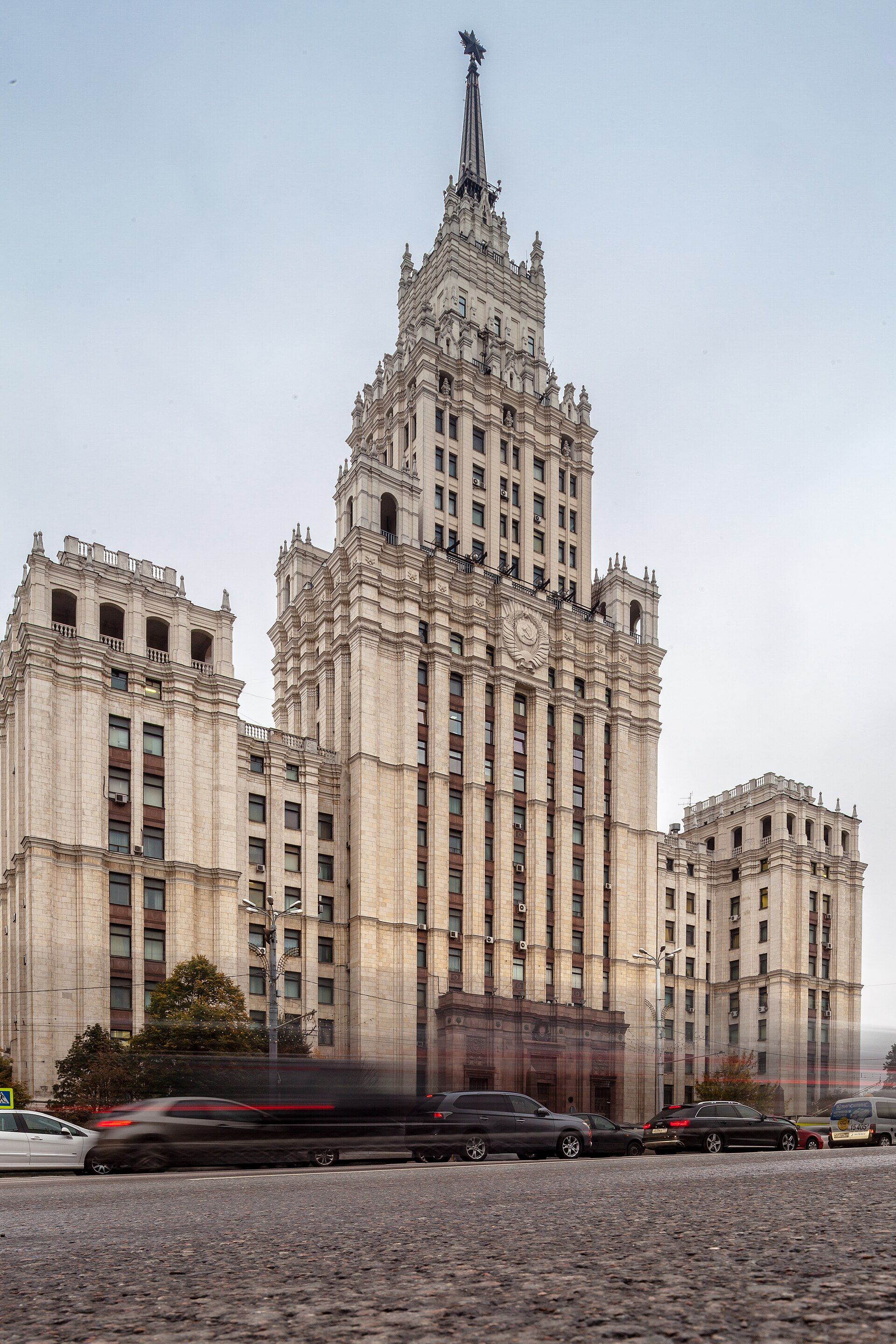
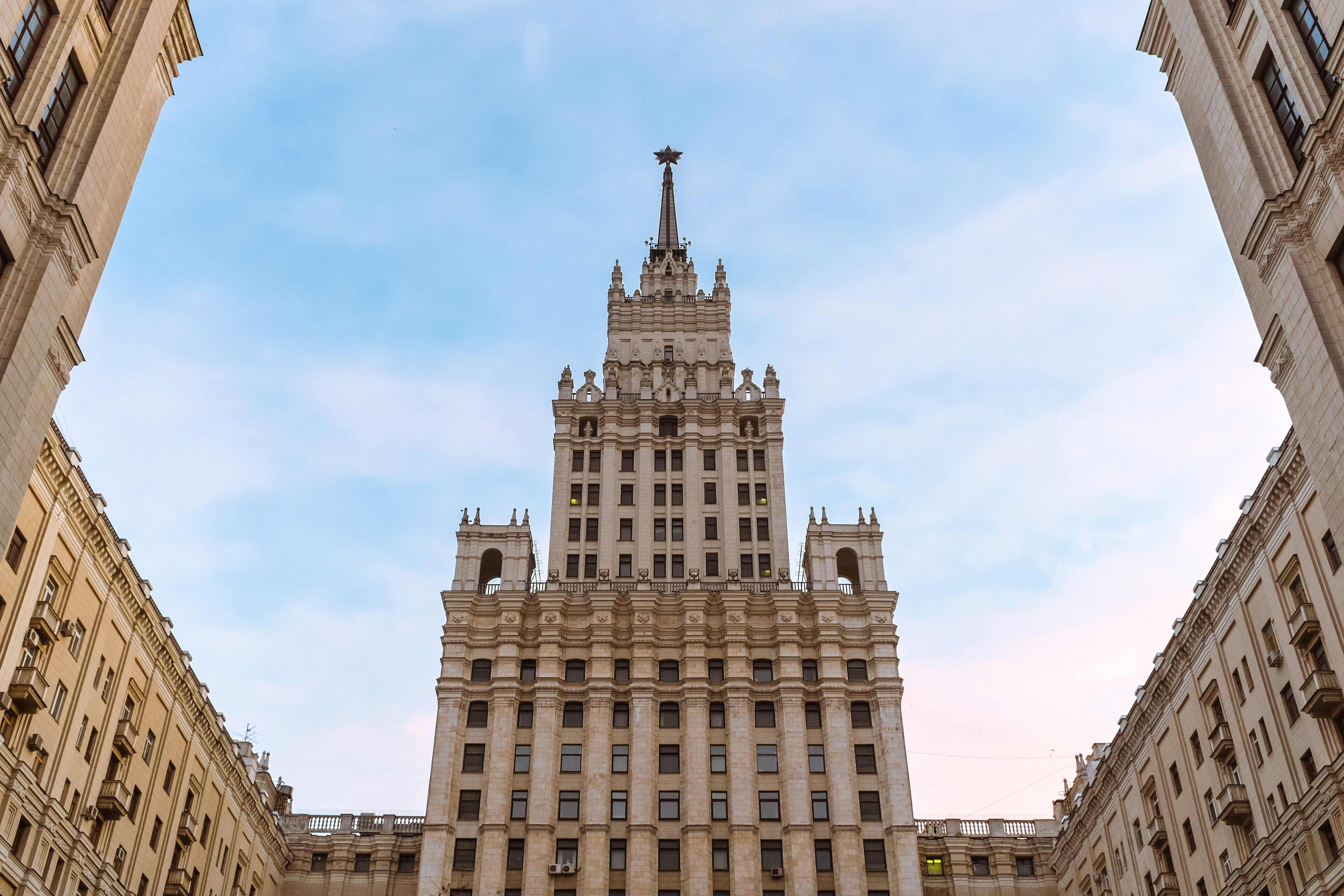
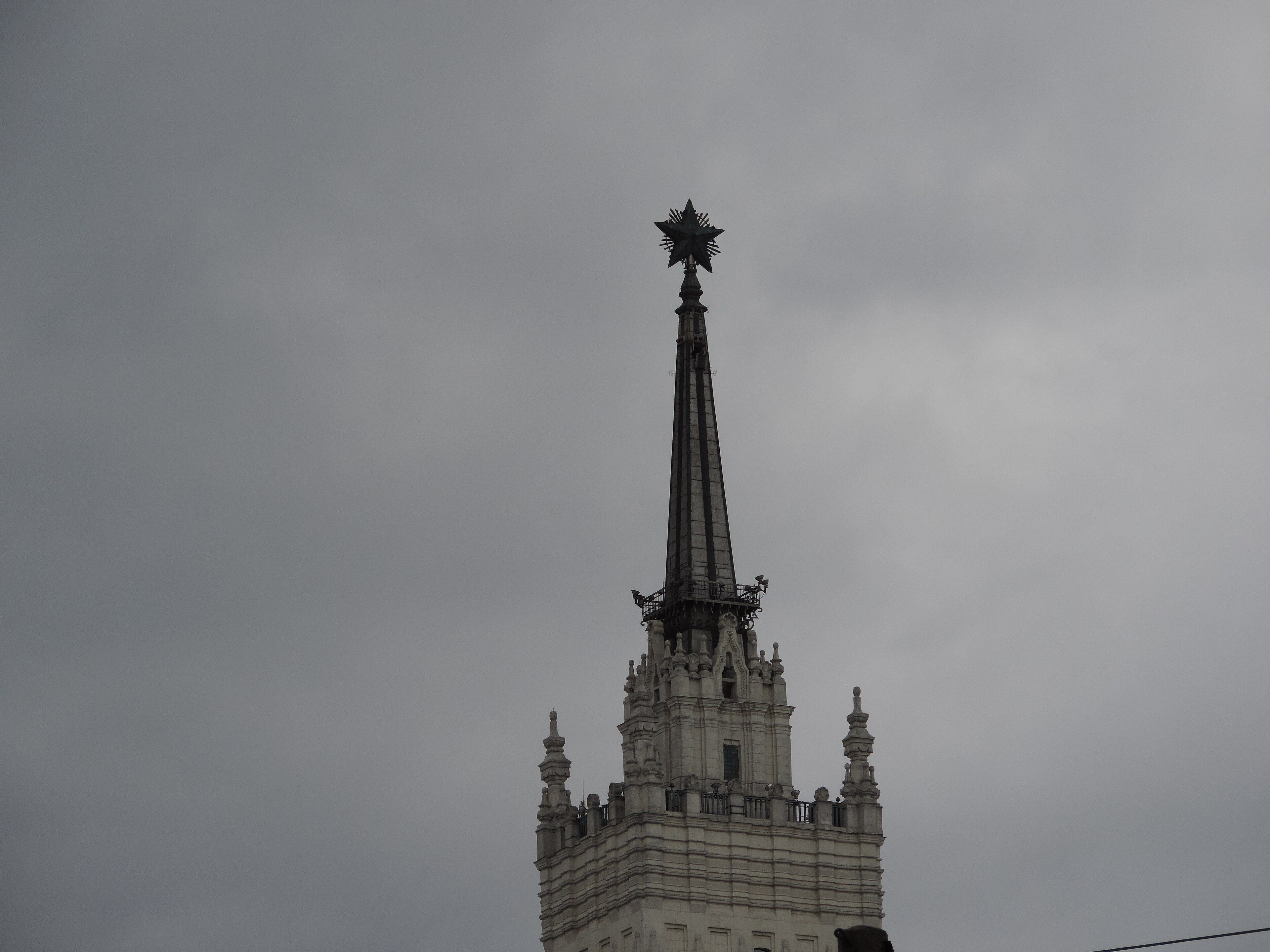
The central tower rises in tiers to a spire with a star. The side blocks are lower and form a wide courtyard. The main metro entrance is an arch with granite trim set right into the base of the building.
138 mheight with spire
24floors in the central tower
1953year completed
It is the only one of the seven skyscrapers with a working metro entrance inside.
What is inside and can you go in
The offices and apartments are closed to outsiders, but anyone can enter one part of the building.
The station entrance is built right into the skyscraper. Go down and see the station itself, one of the first in the Moscow metro, which opened in 1935.
By booking
Tours of the building
Engineering tours explain how the ground was frozen here and take you into the building, where 1950s interiors have survived.
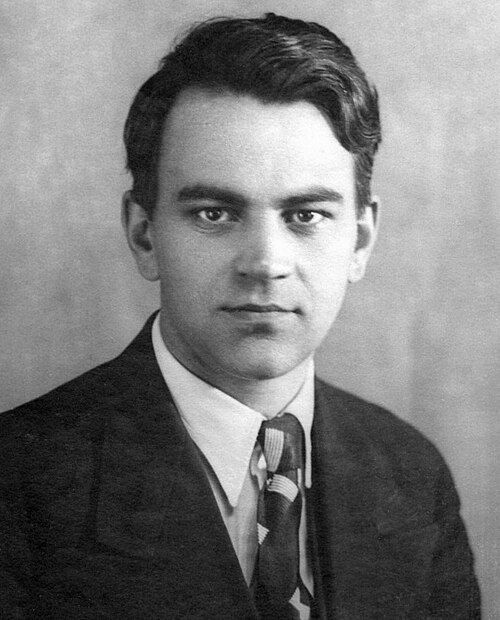
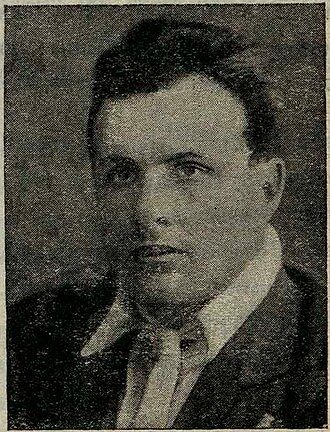
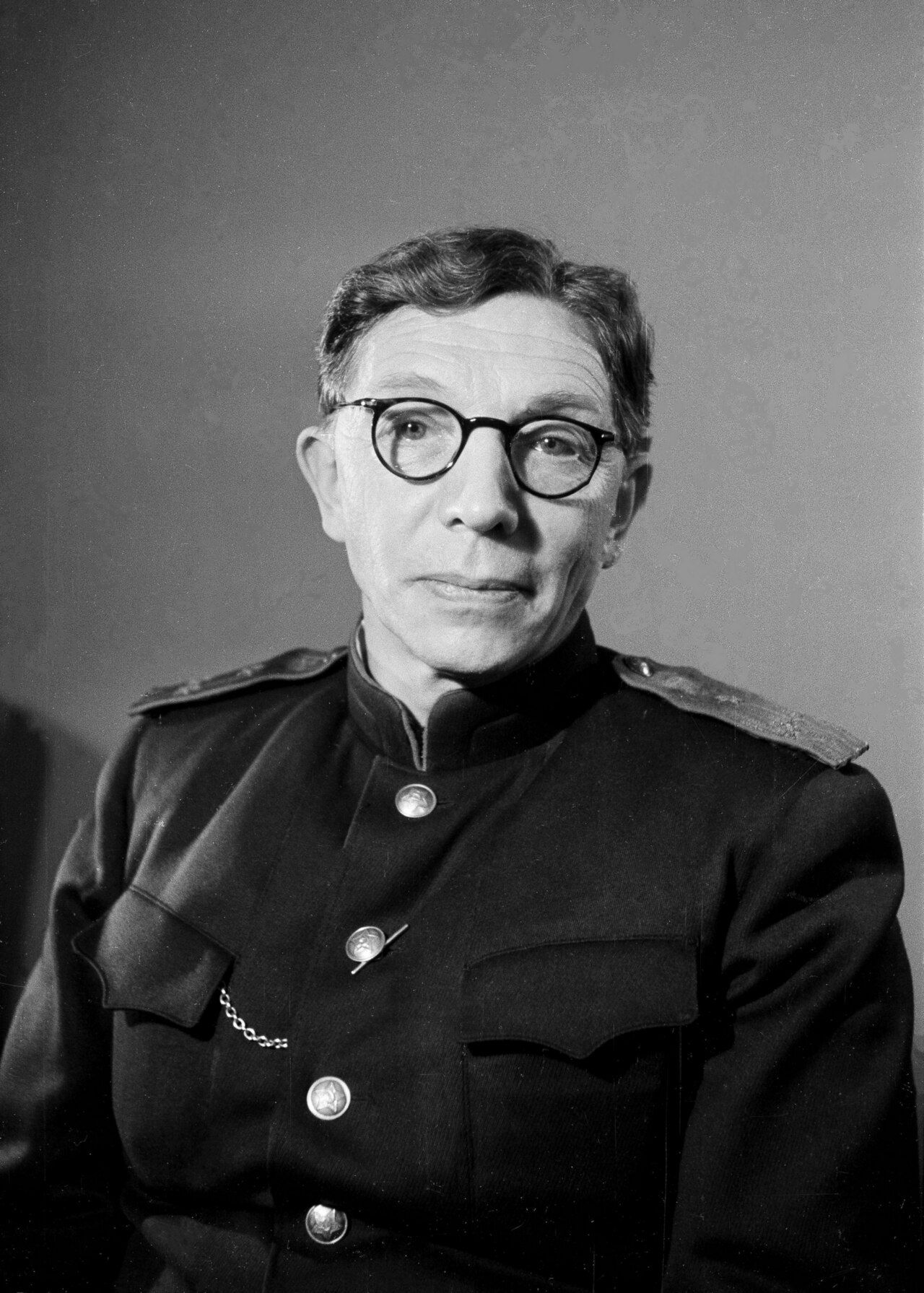
Engineers, staff of the Ministry of Railways, doctors and teachers settled in the residential wings. The corner apartments went to ministers and their deputies. Here are the best-known residents.
Mstislav Keldysh
President of the USSR Academy of Sciences
A mathematician and engineer, one of the leading scientists of the space programme. He lived in one of the five-room corner apartments.
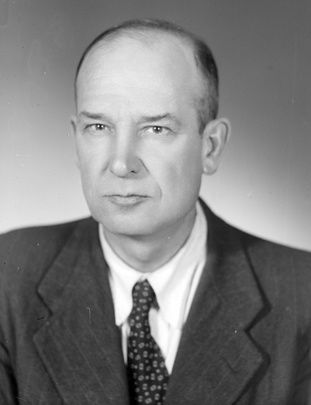
Alexey Dushkin
Architect of the building
Designer of the Mayakovskaya and Ploshchad Revolyutsii metro stations. He and his family received an apartment in the skyscraper he had designed himself.
Sergei Yudin
Surgeon
One of the best-known surgeons of the twentieth century and chief surgeon of the Sklifosovsky Institute. He was the first in the world to transfuse blood from deceased donors.
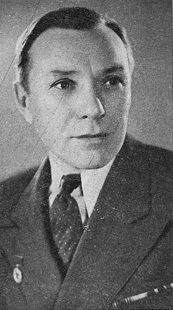
Boris Chirkov
Actor
People’s Artist of the USSR and star of the Maxim trilogy, one of the most popular films of the 1930s.
Anatoly Golovnya
Cinematographer
He shot Vsevolod Pudovkin’s films Mother and Storm over Asia, which have gone down in the history of world cinema.
The composer Mikhail Chulaki, the theatre director Leonid Varpakhovsky and the art historian Alexei Fyodorov-Davydov also lived here.
Legends and facts
The house that was built leaning
The ground here is wet and unstable, so it was frozen, and the tower was built leaning by about 16 centimetres. The engineers calculated that after thawing the building would settle and straighten up. And so it did.
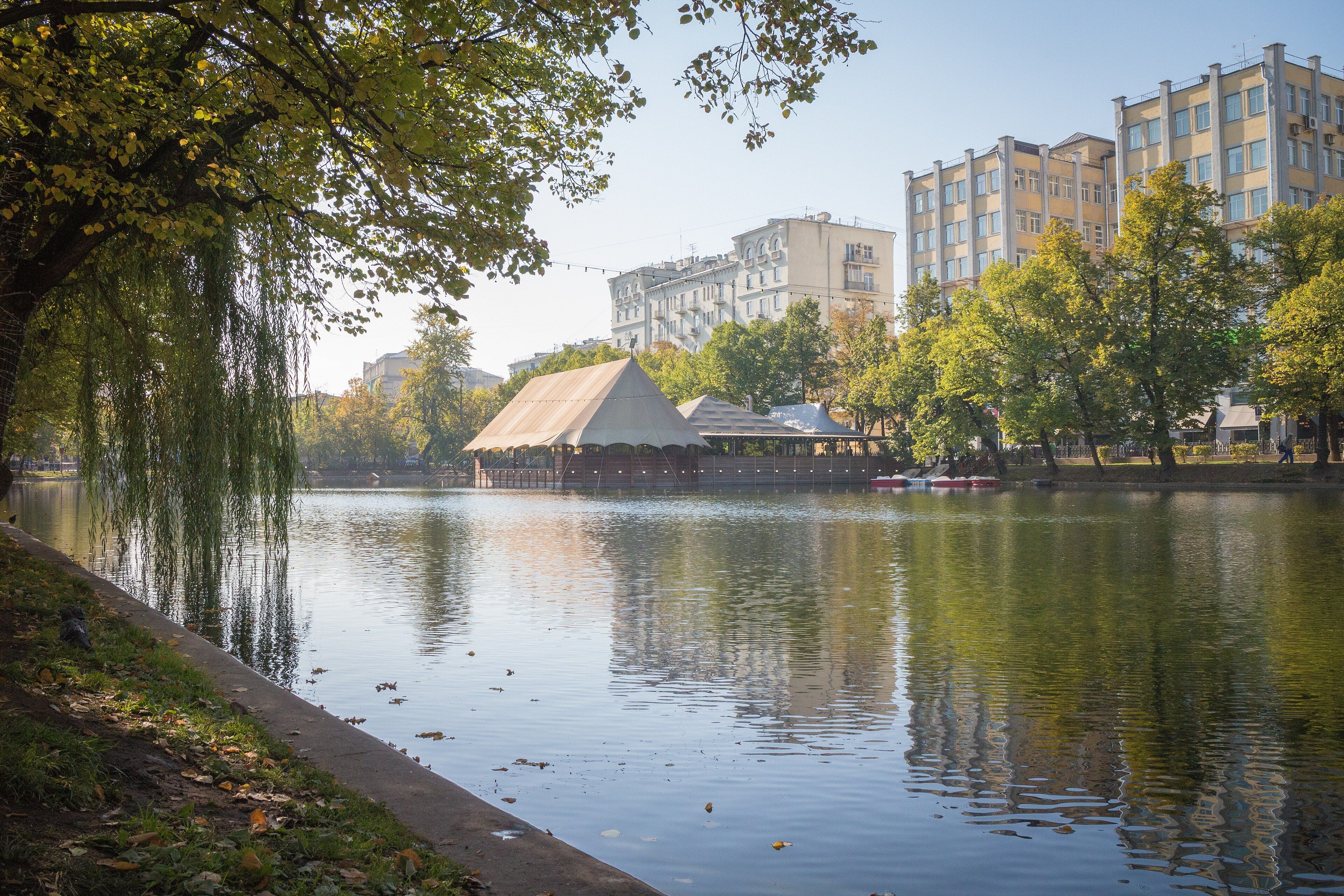
On the site of Lermontov’s house
The skyscraper stands where General von Toll’s house once was, in which Mikhail Lermontov was born in 1814. Nearby stood the Church of the Three Hierarchs, where the poet was baptised. It was demolished too.
The missing sculptures
According to the design, sculptures were to decorate the facade, but they were never put up. All that remains of the plan is a huge Soviet coat of arms one and a half floors high and a base of red granite.
Where to take photos
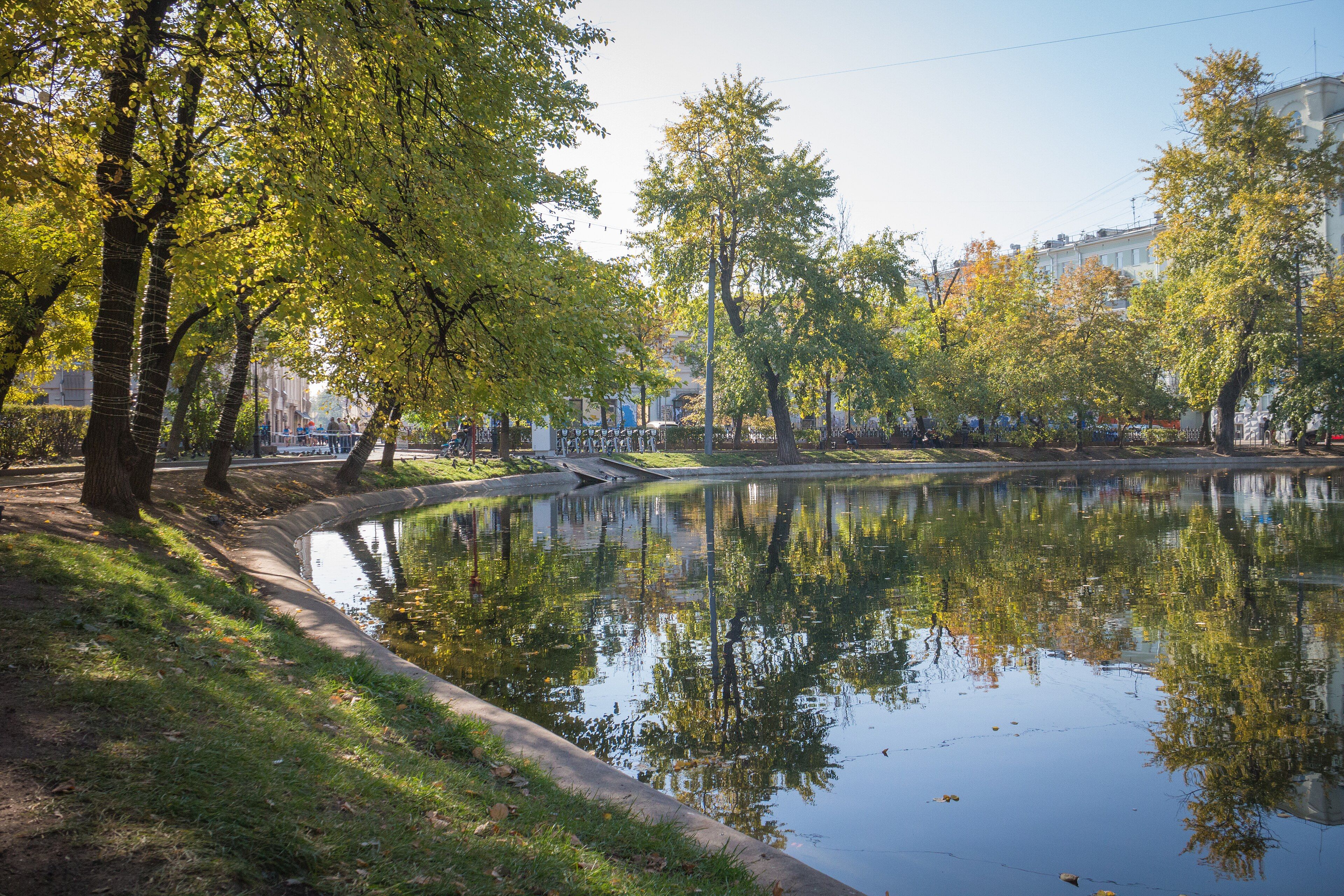
The skyscraper stands on the Garden Ring, so it is best photographed from the square and from the opposite side of the street.
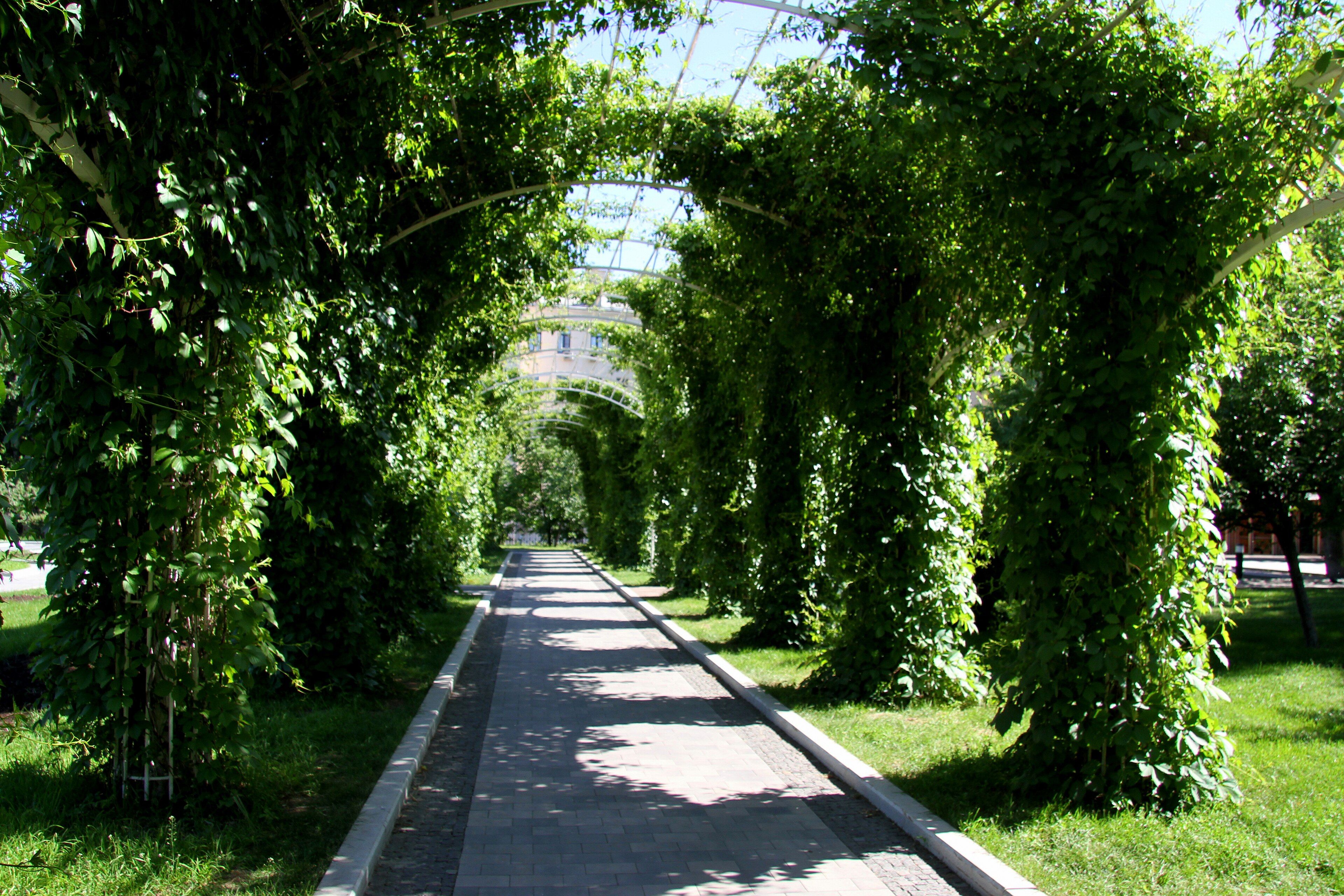
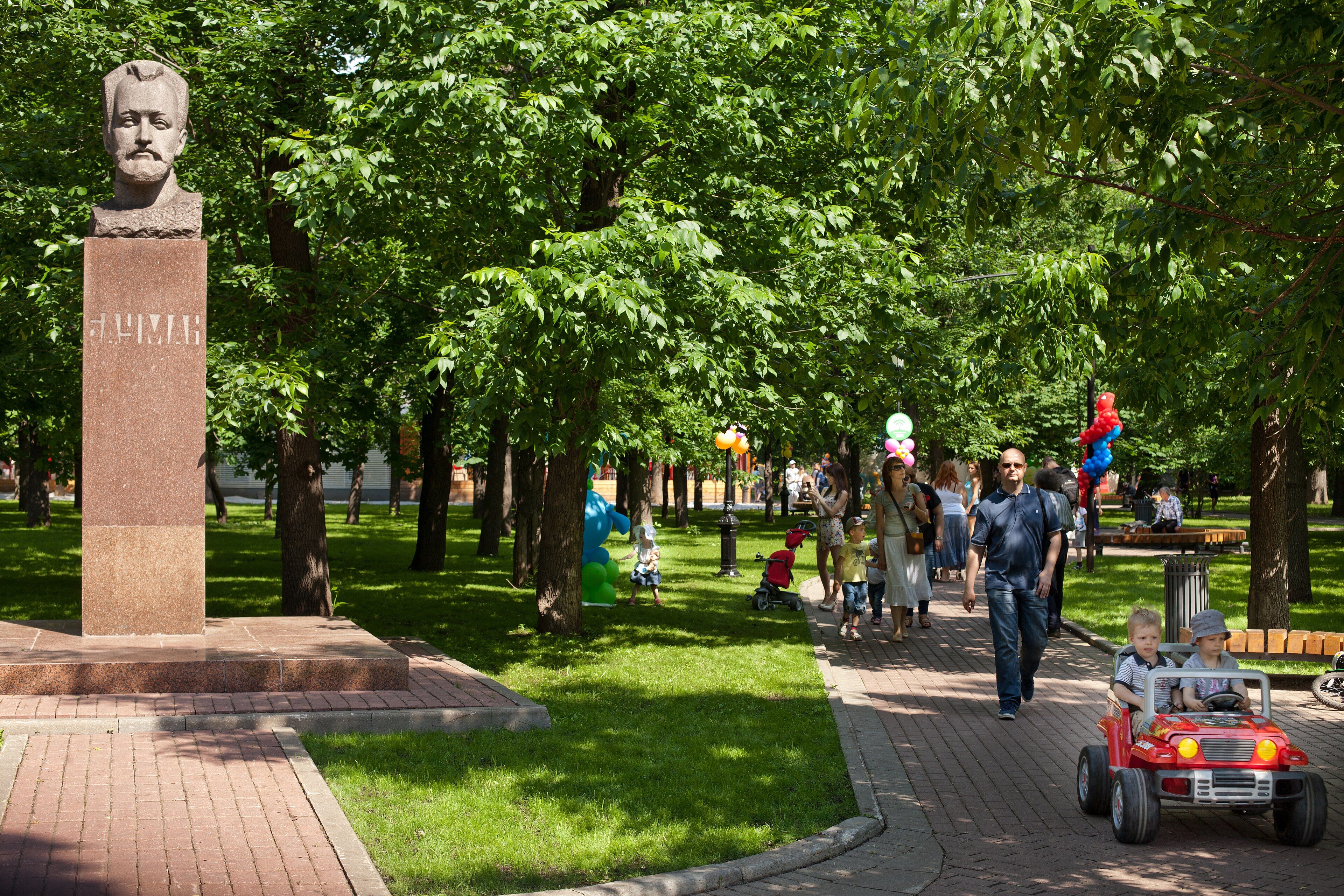
From the garden with the poet’s monument you see the whole skyscraper, with the garden’s greenery in the frame.
Between the side blocks
If you stand in the courtyard and point the camera upwards, the blocks frame the tower and its spire.
Sadovaya-Spasskaya Street
The skyscraper stands at the highest point of the Garden Ring. If you walk along the ring towards Sukharevskaya, the tower rises above the whole street.
Where to stay nearby
Between Krasnye Vorota and the three railway stations there are many hotels of every level.
Hotels near Krasnye Vorota
The Garden Ring, the metro inside the skyscraper and 15 minutes to the Kremlin by metro.
Is it true that the Red Gates skyscraper was built leaning?
Yes. The ground under the building was frozen so that the metro entrance hall could be built. The engineers calculated that it would settle after thawing, and built the tower with a slight lean in advance. When the ground thawed, the building straightened up.
Can you go inside the Red Gates skyscraper?
You cannot enter the offices and apartments. But the entrance hall of Krasnye Vorota metro station is right inside the building, and anyone can go in.
How tall is the Red Gates building?
138 metres including the spire, with 24 floors in the central tower.
How do I get to the Red Gates skyscraper?
Take the red line to Krasnye Vorota metro station. One of the exits is right inside the building.
Why was the Red Gates skyscraper built leaning?
The ground under the building was frozen, and after thawing it was expected to settle. So the tower was built leaning by about 16 centimetres, and over time it straightened up.
Who lived in the Red Gates skyscraper?
Staff of the Ministry of Railways, engineers, doctors and teachers, as well as the president of the Academy of Sciences Mstislav Keldysh, the surgeon Sergei Yudin and the actor Boris Chirkov.


 Open